

ACID TRANSFER Manufacturer Stockist Exporter
ACID TRANSFER Manufacturer Stockist Exporter
ACID TRANSFER systems play a critical role in chemical and process industries where corrosive liquids must be moved safely and efficiently from one point to another. These systems are specifically engineered to handle aggressive acids without leakage, contamination, or material degradation. Proper acid transfer ensures uninterrupted plant operations while maintaining safety and compliance with industrial standards. The design focuses on corrosion resistance, pressure handling, and long service life. Materials used are carefully selected based on acid concentration and operating temperature. Acid transfer applications are common in fertilizer, petrochemical, pharmaceutical, and metal processing industries. Reliability and safety are the primary objectives of these systems. Effective acid transfer minimizes operational risks and maintenance costs.
Acid transfer systems typically include pipelines, pumps, valves, joints, and protective linings designed to withstand chemical attack. Rubber-lined, PTFE-lined, and FRP-lined components are widely used due to their excellent resistance to acids. The selection of lining material depends on the type of acid being transferred, such as sulfuric, hydrochloric, phosphoric, or nitric acid. These systems are designed to operate under controlled flow rates to prevent erosion and internal damage. Proper joint sealing ensures zero leakage during continuous operation. Advanced fabrication techniques enhance durability and performance. Each component is tested for quality and chemical compatibility. This ensures consistent performance over extended service periods.
Safety is a key consideration in acid transfer operations, as acids pose significant hazards to personnel and equipment. Acid transfer systems are designed with leak-proof connections and reinforced linings to prevent accidental spills. Secondary containment and protective coatings are often incorporated to enhance safety. Proper ventilation and pressure control reduce the risk of vapor buildup. Automated monitoring systems help detect leaks or pressure abnormalities early. Emergency shutdown mechanisms are integrated for quick response during failures. Regular inspection and maintenance further improve operational safety. These features collectively ensure safe acid handling in industrial environments.
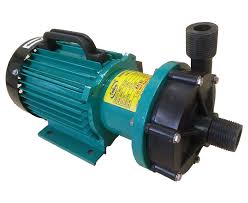
Corrosion resistance is the most important characteristic of an effective acid transfer system. Acids can rapidly degrade standard metals, leading to leaks and system failure. To prevent this, specialized materials such as rubber, fluoropolymers, and composites are used. These materials form a protective barrier between the acid and the base metal. Proper surface preparation before lining ensures strong adhesion and long life. Corrosion-resistant systems significantly reduce downtime and replacement costs. They also improve overall plant reliability. Long-term performance makes them a cost-effective solution.
Acid transfer pumps are an integral part of the system and are designed to handle corrosive fluids efficiently. These pumps are manufactured using acid-resistant materials and seals to prevent wear and leakage. Centrifugal and diaphragm pumps are commonly used depending on flow and pressure requirements. Pump selection is based on acid properties, temperature, and viscosity. Proper alignment and installation ensure smooth operation and minimal vibration. Pumps are tested for performance and safety before commissioning. Efficient pumping improves process control. It also reduces energy consumption during continuous operation.
Temperature and pressure conditions significantly influence acid transfer system design. High temperatures can increase corrosion rates and affect lining performance. Systems are engineered to operate safely under specified temperature limits. Pressure ratings are carefully calculated to avoid bursting or leakage. Expansion joints are often included to accommodate thermal expansion. Proper insulation helps maintain stable operating conditions. Pressure relief devices enhance system safety. Accurate design ensures long-term stability and efficiency. This makes acid transfer systems suitable for demanding industrial applications.
Our Other Valuable Products
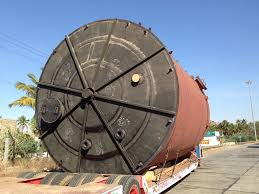
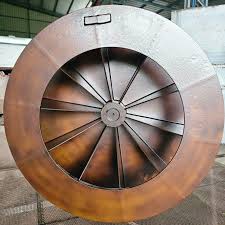
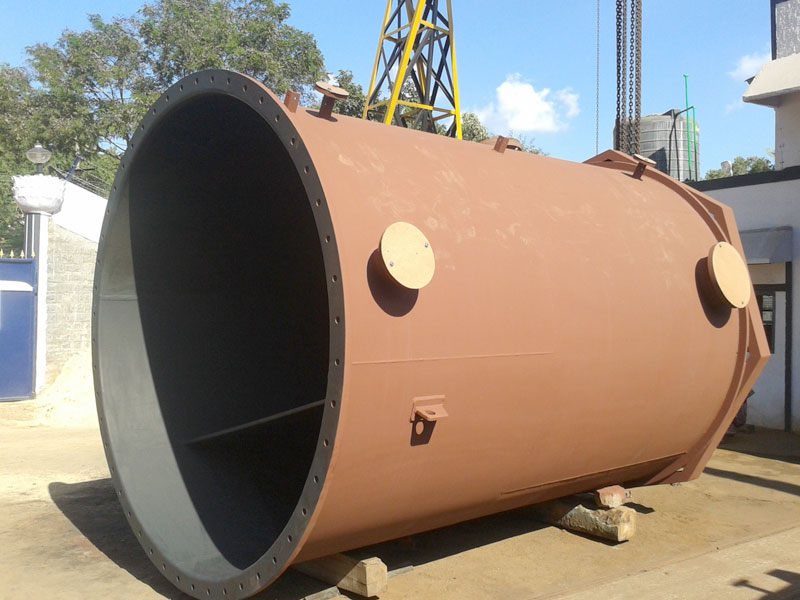
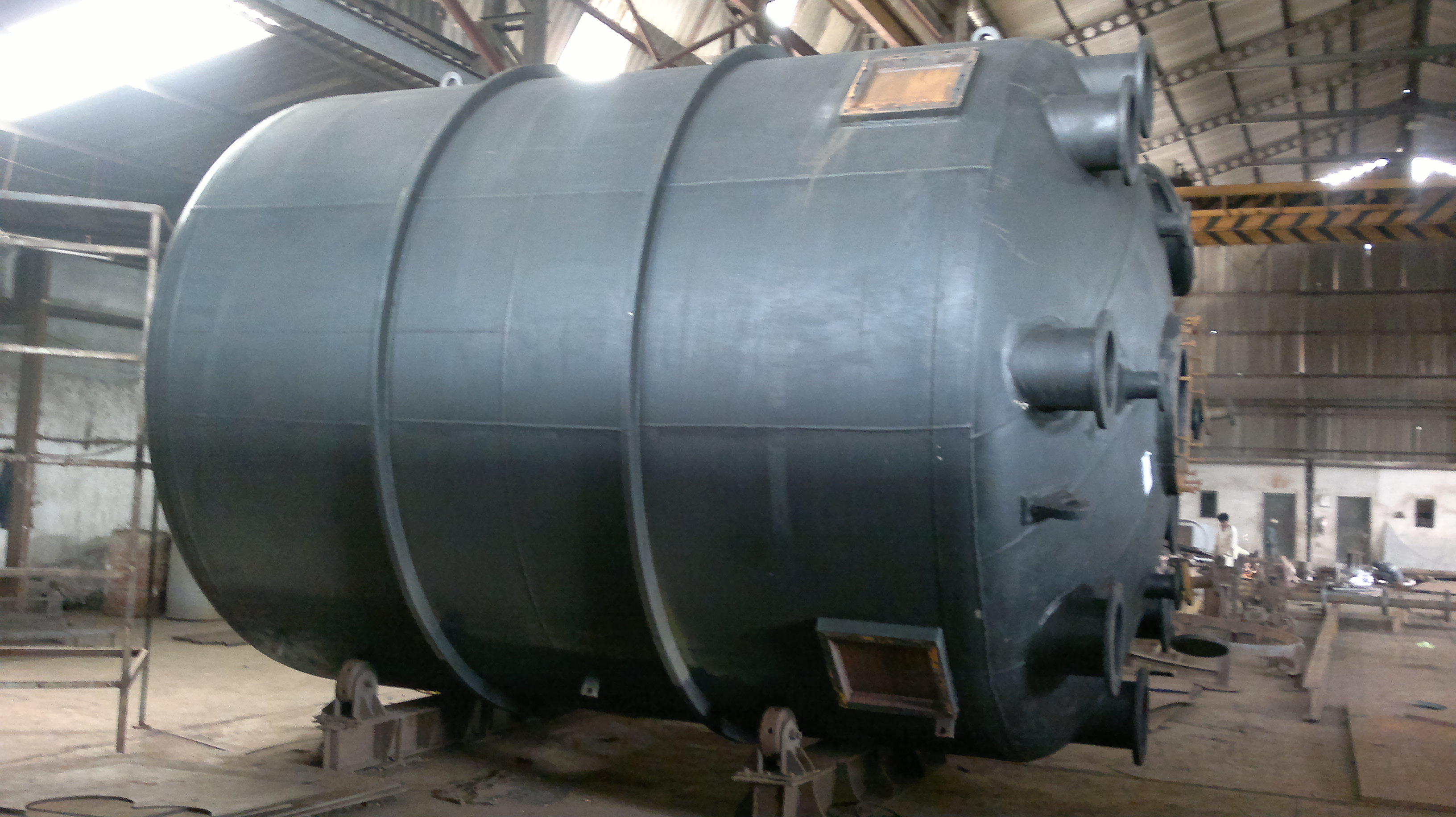
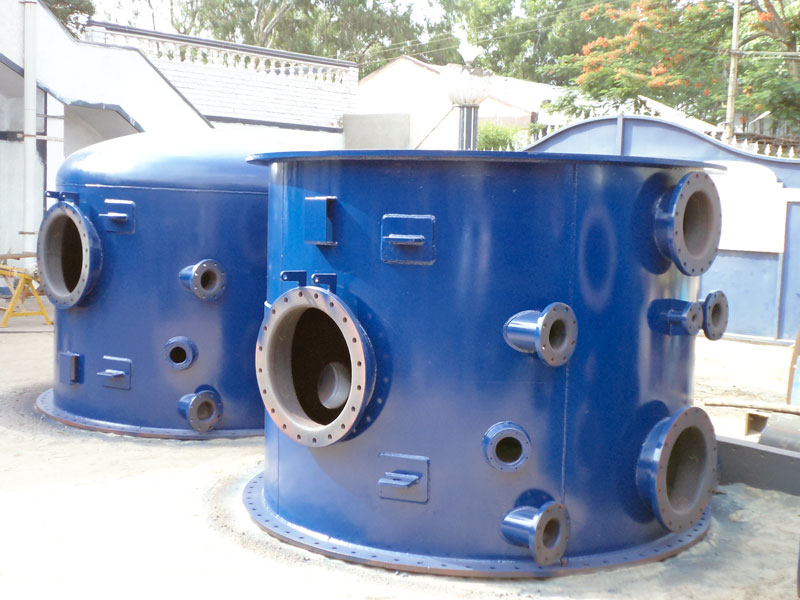
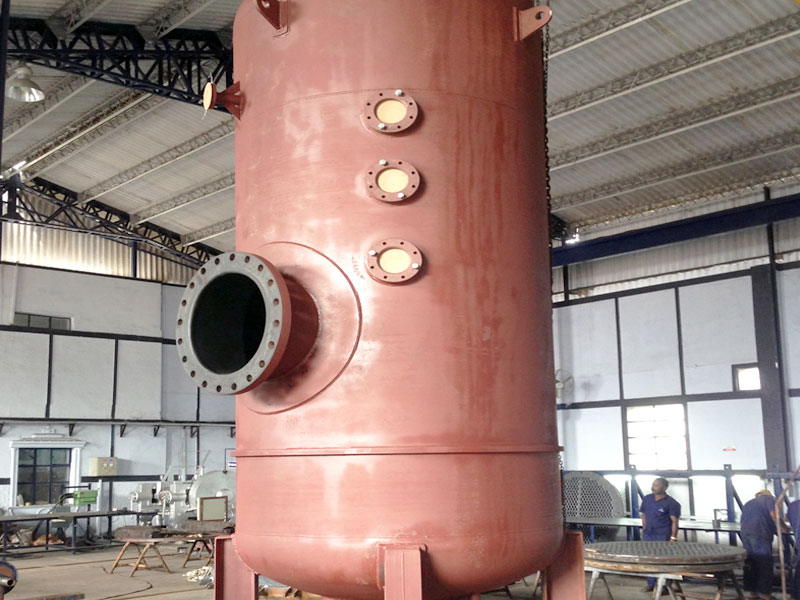


Installation quality plays a major role in the performance of acid transfer systems. Proper alignment, joint sealing, and support placement are essential for leak-free operation. Skilled technicians ensure that linings are not damaged during installation. Flange connections are tightened to specified torque values. Adequate supports prevent sagging and stress concentration. Post-installation testing verifies system integrity. Hydrostatic and spark tests are commonly performed. These steps ensure reliable operation from the start.
Maintenance of acid transfer systems is essential to ensure long service life and safety. Routine inspections help identify wear, lining damage, or corrosion early. Preventive maintenance reduces the risk of unexpected failures. Cleaning procedures remove deposits that may affect flow efficiency. Replacement of worn components improves system reliability. Proper documentation helps track system performance over time. Scheduled shutdowns allow for thorough inspection and repair. Regular maintenance minimizes operational disruptions.
Specification of ACID TRANSFER
| Parameter | Specification |
|---|---|
| Application | Safe transfer of corrosive acids in chemical and process industries |
| Type of Acids Handled | Sulphuric Acid, Hydrochloric Acid, Phosphoric Acid, Nitric Acid, Mixed Acids |
| Operating Temperature | Up to 120°C (depending on lining material and acid concentration) |
| Operating Pressure | Up to 10 Bar (customizable as per system design) |
| Pipe Material | Carbon Steel / Mild Steel / Stainless Steel with protective lining |
| Lining Material | Natural Rubber, Butyl Rubber, Neoprene, PTFE, FRP |
| Pipe Size Range | 25 NB to 600 NB (custom sizes available) |
| Joint Type | Flanged / Coupling / Expansion Joint |
| Leak Protection | Corrosion-resistant lining with leak-proof sealing system |
| Testing | Spark Test, Hydrostatic Pressure Test, Visual Inspection |
| Standards | ASTM / IS / DIN standards as applicable |
| Installation | Site fabrication or shop fabricated with supervised installation |
| Maintenance Requirement | Low maintenance with periodic inspection |
| Service Life | Long service life under recommended operating conditions |
Chemical Composition of ACID TRANSFER
| Component | Material / Chemical Composition | Purpose |
|---|---|---|
| Base Pipe Material | Carbon Steel / Mild Steel / Stainless Steel (Fe with controlled C, Mn, Si) | Provides mechanical strength and pressure resistance |
| Rubber Lining | Natural Rubber (NR) / Butyl Rubber (IIR) / Neoprene (CR) | Excellent resistance to acids and abrasion |
| Fluoropolymer Lining | PTFE / PFA / FEP (Carbon, Fluorine based polymers) | High chemical resistance for strong and concentrated acids |
| FRP Lining / Coating | Glass Fiber + Polyester / Vinyl Ester Resin | Corrosion protection and lightweight chemical resistance |
| Adhesive System | Chlorinated Rubber / Phenolic Resin Based Adhesives | Ensures strong bonding between metal and lining |
| Flange Material | Carbon Steel / Stainless Steel with protective coating | Provides secure jointing and leak prevention |
| Gasket Material | PTFE / Rubber / Graphite Composite | Sealing against acid leakage at joints |
| Fasteners | High Tensile Carbon Steel / Stainless Steel | Structural integrity of joints under pressure |
| Protective Outer Coating | Epoxy / Polyurethane Based Coatings | External corrosion protection and weather resistance |
Mechanical Properties of ACID TRANSFER
| Property | Typical Value | Remarks |
|---|---|---|
| Tensile Strength | Base Metal: 410 – 550 MPa | Ensures structural strength under operating loads |
| Yield Strength | Base Metal: 250 – 350 MPa | Resistance to permanent deformation |
| Elongation | 20 – 25 % | Provides flexibility and shock absorption |
| Hardness | Rubber Lining: 50 – 70 Shore A | Balance between abrasion resistance and flexibility |
| Abrasion Resistance | < 120 mm³ (DIN Abrasion) | Suitable for continuous acid flow conditions |
| Impact Resistance | High (No cracking under normal operating impact) | Protects against mechanical shock |
| Operating Pressure | Up to 10 Bar | Depends on pipe thickness and lining type |
| Temperature Resistance | -20°C to +120°C | Varies with lining material and acid type |
| Adhesion Strength | > 6 N/mm | Strong bond between lining and base metal |
| Flexural Strength | Good (No lining damage under normal bending) | Ensures integrity during installation and operation |
| Fatigue Resistance | Excellent | Suitable for continuous and cyclic operations |
| Service Life | 10 – 15 Years | Under recommended operating conditions |
Environmental protection is another important aspect of acid transfer systems. Leak-proof designs help prevent soil and water contamination. Proper containment and drainage systems manage accidental spills. Acid transfer systems comply with environmental regulations and safety standards. Efficient transfer reduces wastage and emissions. Eco-friendly materials and designs are increasingly being adopted. Responsible acid handling supports sustainable industrial practices. It also protects surrounding ecosystems. Compliance enhances corporate responsibility.
Pipe Testing Methods

Pipe Applications

We supply Pipes Worldwide.
Exporting Steel Pipes & Tubes to over 60 countries including Afghanistan, Albania, Andorra, Angloa, Austria, Australia, Bahrain, Bangladesh, Bhutan, Brazil, Brunei, Belarus, Belgium, Bulgaria, Cambodia, China, Cyprus, Croatia, Czech Republic, Canada, Denmark, Estonia, Egypt, Finland, France, Germany, Greece, Georgia, Hungary, Iceland, Ireland, Italy, Indonesia, Iran, Iraq, Israel, Japan, Jordan, Kazakhstan, Kuwait, Kyrgyzstan, Lebanon, Latvia, Latin America, Liechtenstein, Lithuania, Luxembourg, Malta, Madagascar, Mexico, Moldova, Monaco, Malaysia, Maldives, Mongolia, Myanmar (Burma), Nepal, New Zealand, North Korea, Netherlands, Norway, Nigeria, Oman, Poland, Portugal, Pakistan, Palestine, Philippines, Qatar, Russia, Romania, Russia, San Marino, Serbia and Montenegro, Slovakia, Slovenia, Spain, Sweden, Switzerland, Saudi Arabia, Singapore, South Korea, South Africa, Sri Lanka, Sudan, Syria, Taiwan, Tanzania, Tajikistan, Thailand, Turkey, Turkmenistan, Ukraine, United Kingdom, United Arab Emirates (UAE), Uzbekistan, Venezuela, Vietnam, Yemen, etc.