

DUCT GRINDING TO SMOOTHEN WELDING JOINTS SUITABLE FOR RL Manufacturer Stockist Exporter
DUCT GRINDING TO SMOOTHEN WELDING JOINTS SUITABLE FOR RL Manufacturer Stockist Exporter
Duct grinding to smoothen welding joints suitable for rubber lining is a critical surface preparation process in MS duct fabrication. This operation ensures that all welded joints are free from sharp edges, weld beads, and surface irregularities. Smooth weld profiles are essential to prevent damage to rubber lining during application and service. Proper grinding improves bonding between steel and rubber. It also enhances the overall durability of the lined ducting system. This process is widely adopted in chemical and process industries. Grinding contributes to consistent lining thickness. It helps achieve long-term corrosion protection.
During fabrication, welding joints often create raised beads and uneven transitions along duct surfaces. If left untreated, these imperfections can lead to lining failure and premature wear. Duct grinding eliminates such defects by creating a uniform surface contour. The grinding process ensures smooth transitions at joints and seams. This allows rubber lining sheets to adhere evenly without air pockets. Uniform surfaces improve lining integrity under operating conditions. Grinding also reduces stress concentration points. This enhances the service life of rubber lined ducting systems.
Grinding of duct welds is carried out using suitable abrasive wheels and tools based on material thickness. Skilled operators carefully grind welded areas without reducing base metal strength. The objective is to achieve a smooth, rounded profile rather than a sharp or angular edge. All internal welds, corners, and seams are treated thoroughly. Special attention is given to circumferential and longitudinal weld joints. The grinding quality directly affects lining performance. Controlled grinding ensures dimensional accuracy. This maintains design tolerances.
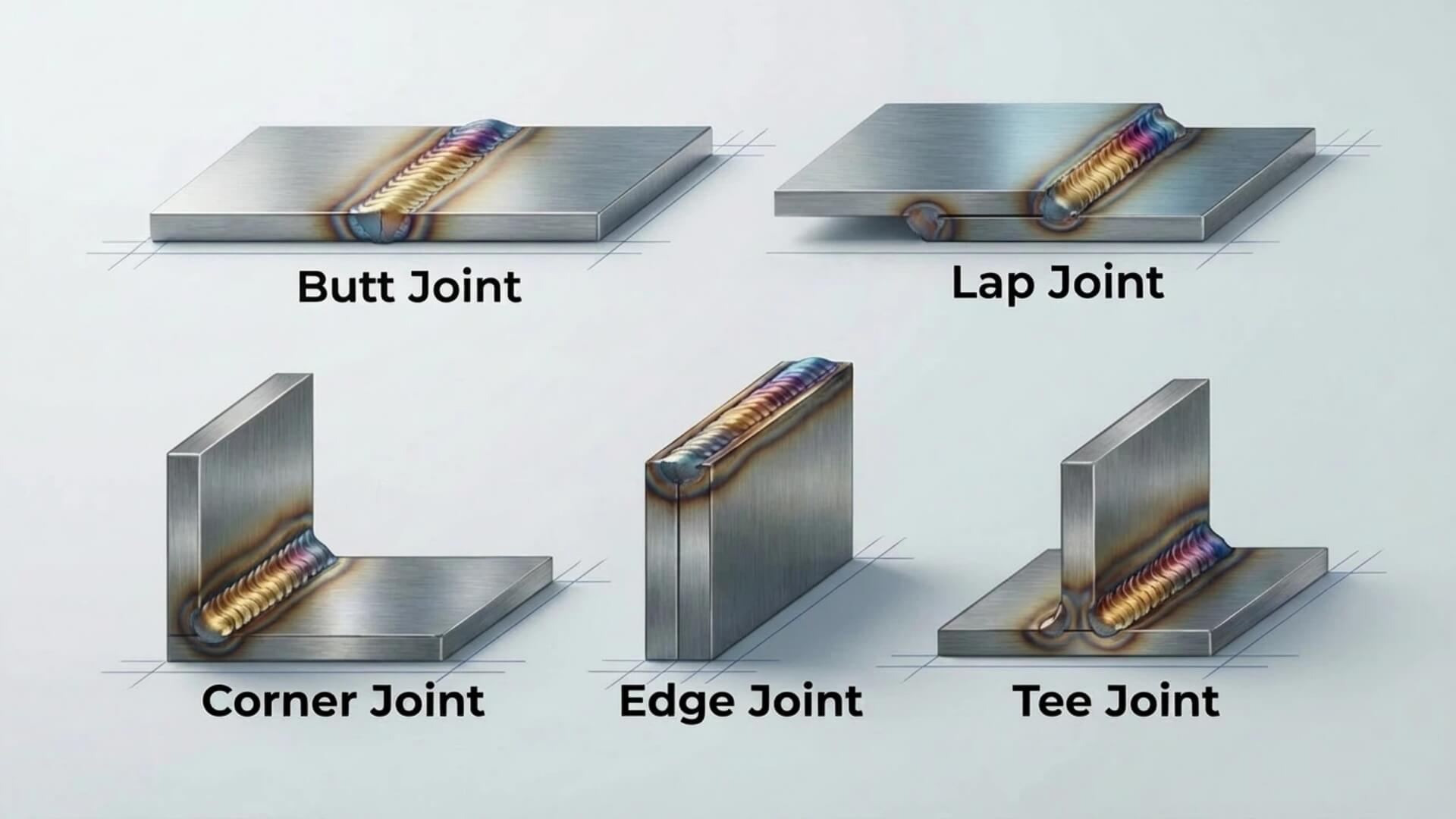
Surface finish achieved after grinding plays a vital role in rubber lining adhesion. Smoothened weld joints provide an even bonding surface for primer and adhesive application. Proper grinding removes weld spatter, slag, and surface contaminants. This improves adhesive penetration and chemical bonding. Uniform surface roughness ensures consistent lining thickness. Grinding also helps avoid localized thinning of rubber lining. This minimizes the risk of pinholes and cracks. Overall lining reliability is improved significantly.
Duct grinding suitable for rubber lining is especially important in handling corrosive gases and fumes. Any sharp projection can act as a stress riser and initiate lining damage. Smooth weld joints reduce mechanical stress on rubber during operation. This is critical in ducts exposed to vibration, thermal expansion, and pressure fluctuations. Proper grinding helps absorb operational stresses evenly. It enhances abrasion resistance of the lined surface. This ensures stable performance in harsh environments. The process supports continuous plant operation.
Quality control during duct grinding includes visual inspection and surface smoothness verification. Weld joints are checked to ensure no sharp edges remain. Grinding depth is monitored to avoid weakening of the duct wall. Surface uniformity is verified before rubber lining application. Any defects identified are reworked prior to lining. Proper documentation of grinding procedures is maintained. This ensures compliance with project specifications. Quality assurance improves customer confidence. It also ensures long-term reliability.
Our Other Valuable Products
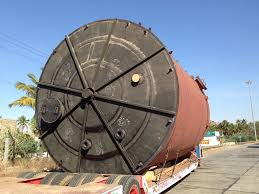
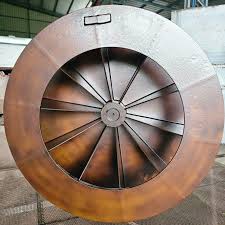
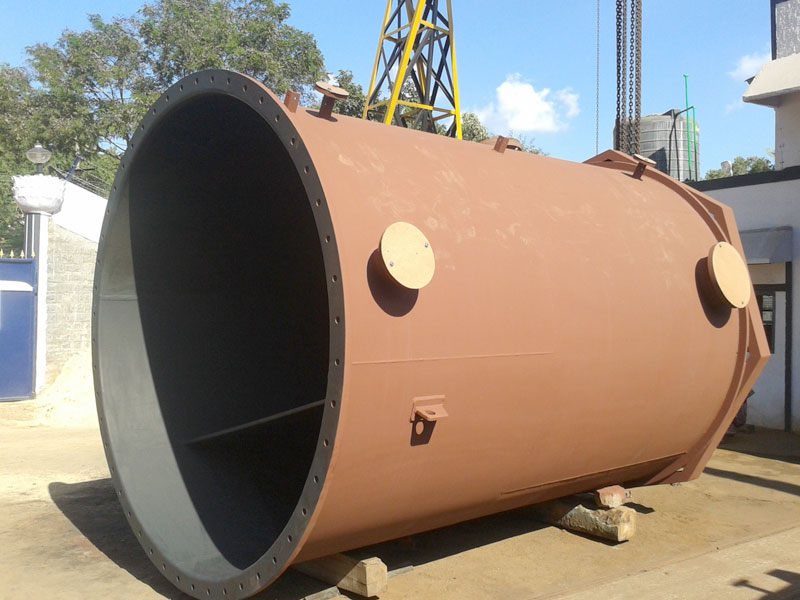
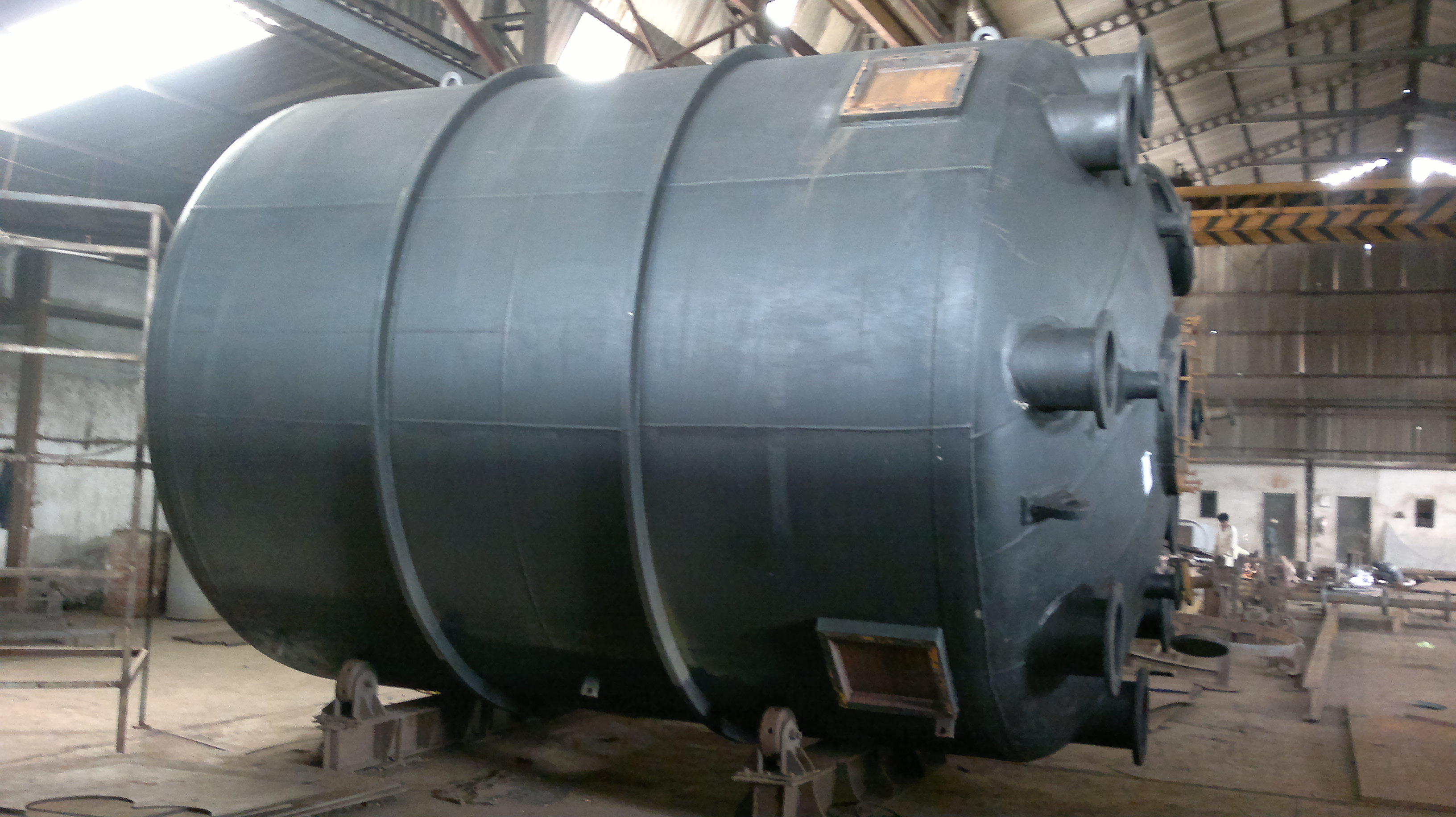
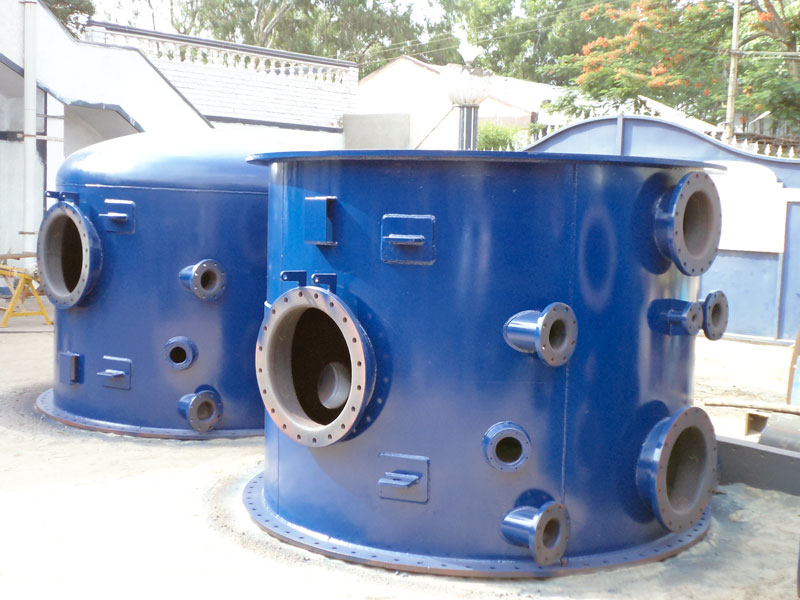
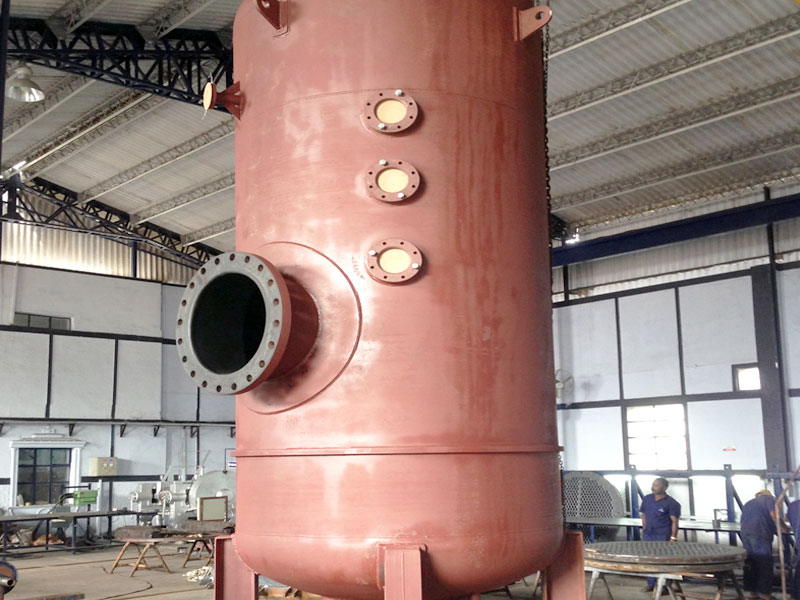


After grinding, ducts are subjected to cleaning processes such as solvent wiping or mechanical cleaning. This removes residual dust, grease, and abrasive particles. Clean surfaces are essential for effective primer application. Grinding combined with cleaning ensures optimal surface preparation. This sequence is crucial for rubber lining success. The prepared surface allows strong adhesion between steel and rubber. It reduces the risk of delamination during service. Proper preparation extends lining life significantly.
Grinding to smoothen welding joints also improves safety during rubber lining installation. Smooth surfaces reduce the risk of tearing rubber sheets during handling and placement. This allows lining technicians to apply rubber evenly and efficiently. Reduced rework saves time and labor costs. Proper grinding supports uniform lining quality across the duct length. It ensures consistent performance in service. Safety and productivity are enhanced simultaneously. This makes the process economically beneficial.
Specification of DUCT GRINDING TO SMOOTHEN WELDING JOINTS SUITABLE FOR RL
| Parameter | Specification |
|---|---|
| Process Description | Duct grinding to smoothen welded joints for rubber lining suitability |
| Applicable Material | Mild Steel / Carbon Steel Ductings |
| Grinding Objective | Removal of weld beads, spatter, sharp edges, and surface irregularities |
| Grinding Tools | Angle grinder with abrasive wheel / flap disc |
| Surface Finish Requirement | Smooth, rounded weld profile without sharp projections |
| Maximum Allowable Weld Projection | ≤ 1 mm after grinding |
| Edge Radius at Weld Joints | Minimum 3 mm radius for RL suitability |
| Grinding Depth Control | No reduction of base metal thickness beyond design tolerance |
| Internal Surface Condition | Free from sharp edges, undercuts, slag, and burrs |
| Corner & Seam Treatment | Fully ground and smoothened for uniform rubber lining adhesion |
| Post-Grinding Cleaning | Dust removal by air blowing / solvent wiping |
| Surface Preparation Standard | Suitable for primer and adhesive application for RL |
| Inspection Method | Visual inspection and hand-feel check |
| Acceptance Criteria | No sharp edges or weld protrusions damaging to rubber lining |
| Quality Control | Inspection record prior to rubber lining application |
| Application | Rubber lined ductings for chemical, fertilizer, and process industries |
Chemical Composition of DUCT GRINDING TO SMOOTHEN WELDING JOINTS SUITABLE FOR RL
| Element | Composition (%) | Purpose / Remarks |
|---|---|---|
| Carbon (C) | 0.15 – 0.25 | Provides strength while maintaining good weldability |
| Manganese (Mn) | 0.60 – 1.50 | Improves toughness and wear resistance |
| Silicon (Si) | 0.10 – 0.40 | Acts as a deoxidizer and enhances strength |
| Sulphur (S) | ≤ 0.05 | Controlled to avoid hot cracking and brittleness |
| Phosphorus (P) | ≤ 0.05 | Limited to maintain ductility and impact resistance |
| Iron (Fe) | Balance | Main structural element of ducting material |
Mechanical Properties of DUCT GRINDING TO SMOOTHEN WELDING JOINTS SUITABLE FOR RL
| Property | Value | Remarks |
|---|---|---|
| Tensile Strength | 410 – 550 MPa | Maintains structural integrity after welding and grinding |
| Yield Strength | ≥ 250 MPa | Ensures resistance to permanent deformation |
| Elongation | ≥ 20% | Indicates good ductility for fabrication and service loads |
| Hardness (Base Metal) | 120 – 180 HB | Suitable for grinding without surface cracking |
| Hardness (Weld Zone) | 150 – 220 HB | Controlled hardness after welding and grinding |
| Impact Resistance | Good at ambient temperature | Resists vibration and operational shocks |
| Modulus of Elasticity | 200 GPa | Provides stiffness and dimensional stability |
| Fatigue Strength | Moderate to High | Suitable for continuous gas flow and vibration |
| Surface Condition After Grinding | Smooth, rounded, burr-free | Prevents rubber lining damage and stress points |
| Effect of Grinding | No adverse impact on mechanical properties | Grinding is controlled within design tolerances |
Industries such as chemical processing, fertilizers, power plants, and metallurgy rely on duct grinding for rubber lined systems. These industries operate under highly corrosive conditions where lining failure can cause shutdowns. Grinding ensures ducting systems meet stringent operational requirements. It supports environmental and safety compliance. Well-prepared ducts withstand aggressive media exposure. This minimizes maintenance interventions. Long-term operational stability is achieved. Grinding plays a vital supporting role in system performance.
Pipe Testing Methods

Pipe Applications

We supply Pipes Worldwide.
Exporting Steel Pipes & Tubes to over 60 countries including Afghanistan, Albania, Andorra, Angloa, Austria, Australia, Bahrain, Bangladesh, Bhutan, Brazil, Brunei, Belarus, Belgium, Bulgaria, Cambodia, China, Cyprus, Croatia, Czech Republic, Canada, Denmark, Estonia, Egypt, Finland, France, Germany, Greece, Georgia, Hungary, Iceland, Ireland, Italy, Indonesia, Iran, Iraq, Israel, Japan, Jordan, Kazakhstan, Kuwait, Kyrgyzstan, Lebanon, Latvia, Latin America, Liechtenstein, Lithuania, Luxembourg, Malta, Madagascar, Mexico, Moldova, Monaco, Malaysia, Maldives, Mongolia, Myanmar (Burma), Nepal, New Zealand, North Korea, Netherlands, Norway, Nigeria, Oman, Poland, Portugal, Pakistan, Palestine, Philippines, Qatar, Russia, Romania, Russia, San Marino, Serbia and Montenegro, Slovakia, Slovenia, Spain, Sweden, Switzerland, Saudi Arabia, Singapore, South Korea, South Africa, Sri Lanka, Sudan, Syria, Taiwan, Tanzania, Tajikistan, Thailand, Turkey, Turkmenistan, Ukraine, United Kingdom, United Arab Emirates (UAE), Uzbekistan, Venezuela, Vietnam, Yemen, etc.