

Exterior Hcl Tank Blasted For Painting Manufacturer Stockist Exporter
Exterior Hcl Tank Blasted For Painting Manufacturer Stockist Exporter
Exterior HCL tanks blasted for painting are prepared to achieve maximum durability and corrosion resistance in aggressive industrial environments. Hydrochloric acid storage tanks are constantly exposed to moisture, fumes, and chemical vapors that accelerate external corrosion. Proper surface preparation is essential before applying any protective coating. Abrasive blasting removes rust, mill scale, old paint, and surface contaminants from the tank exterior. This process creates a clean, roughened surface that enhances paint adhesion. A properly blasted surface ensures uniform coating thickness. It also improves the long-term performance of the paint system. This step is critical for extending tank service life.
Surface blasting of exterior HCL tanks is typically carried out using sand blasting or grit blasting methods. The selection of abrasive media depends on the tank material and required surface profile. Blasting is performed to achieve a standard such as Sa 2.5 or equivalent. This level of cleanliness ensures removal of nearly all visible contaminants. The rough surface profile created during blasting improves mechanical bonding of primers. Consistent blasting across the entire tank surface prevents weak spots. Special attention is given to weld seams and joints. These areas are more prone to corrosion if not properly treated.
Before blasting begins, the HCL tank exterior is thoroughly inspected and prepared. Oil, grease, and soluble salts are removed using suitable cleaning methods. Any sharp edges, welding spatter, or surface defects are corrected. Masking is applied to nozzles, flanges, and nameplates where blasting is not required. Safety measures are strictly followed due to the hazardous nature of acid service equipment. Proper ventilation and protective gear are essential during blasting operations. Controlled blasting ensures no damage to the base metal. This preparation phase ensures a high-quality final finish.
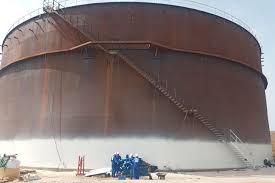
After blasting, the exterior surface of the HCL tank is immediately inspected. Visual inspection confirms uniform cleanliness and surface profile. Any remaining rust or contaminants are re-blasted as required. The blasted surface is highly reactive and must be painted quickly to prevent flash rusting. Environmental conditions such as humidity and temperature are closely monitored. Painting is usually started within a few hours after blasting. This ensures optimal adhesion of the primer coat. Timely coating application is essential for maintaining surface integrity.
The painting system applied to blasted HCL tank exteriors is selected based on service conditions. Typically, a corrosion-resistant primer is applied first to seal the steel surface. This is followed by intermediate epoxy coats to build film thickness. A final top coat such as polyurethane or acrylic is applied for weather resistance. Each coat is applied as per recommended dry film thickness. Proper curing time is allowed between coats. This multi-layer coating system provides long-term protection. It also enhances the tank’s appearance and durability.
Exterior blasting and painting significantly improve the corrosion resistance of HCL tanks. The protective coating acts as a barrier against moisture, chemical fumes, and atmospheric pollutants. This reduces the risk of external corrosion and structural weakening. A well-prepared and painted surface minimizes maintenance requirements. It also prevents premature coating failure such as peeling or blistering. The tank remains protected even in coastal or high-humidity environments. This process contributes to safer plant operation. Long-term asset reliability is greatly enhanced.
Our Other Valuable Products
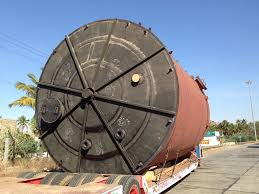
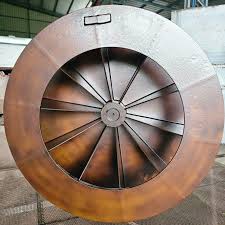
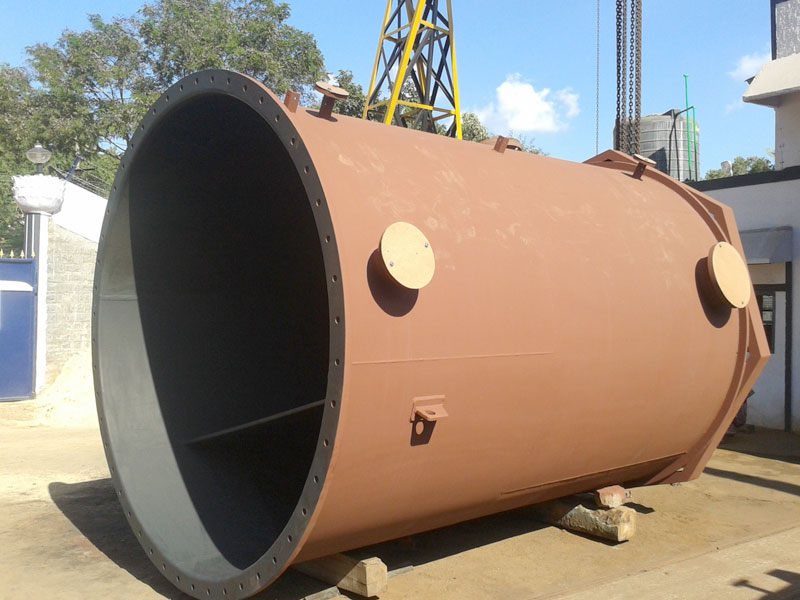
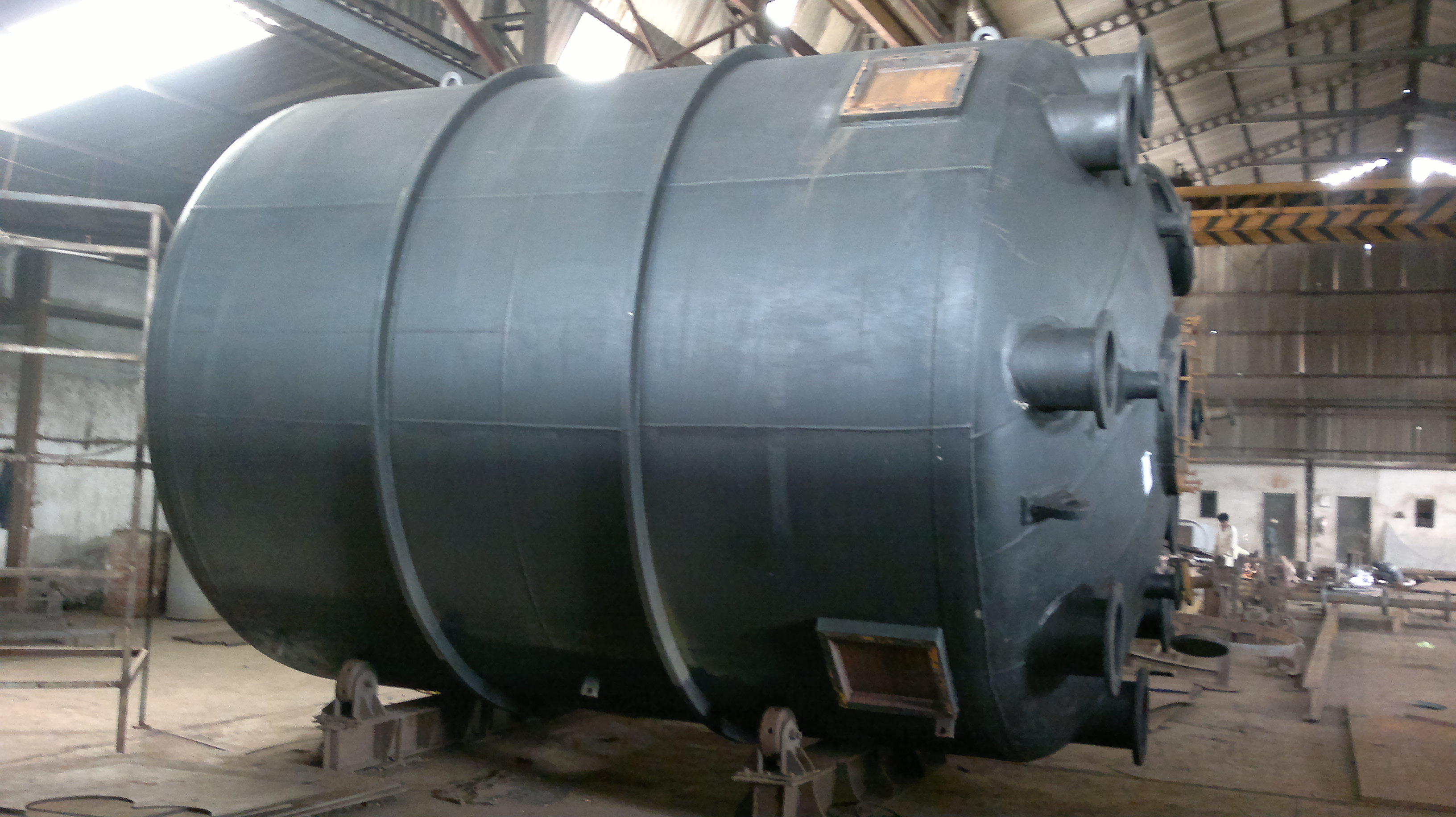
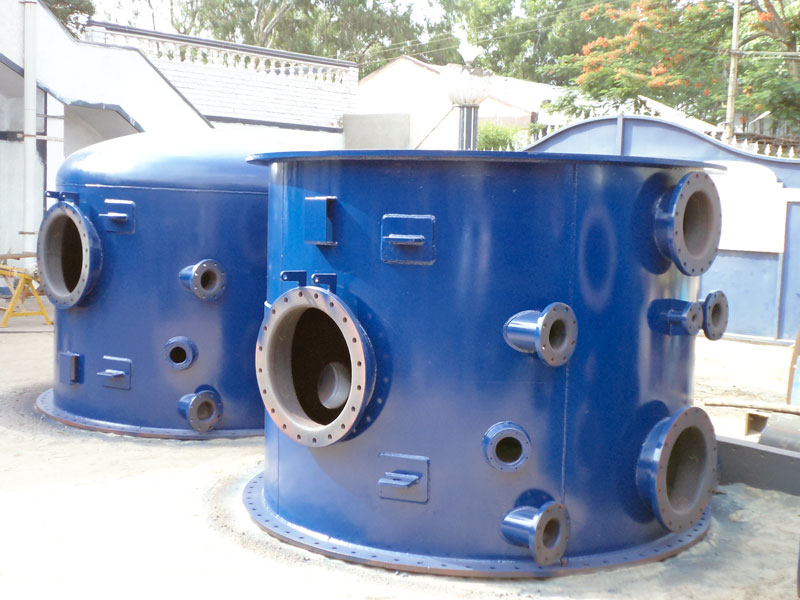
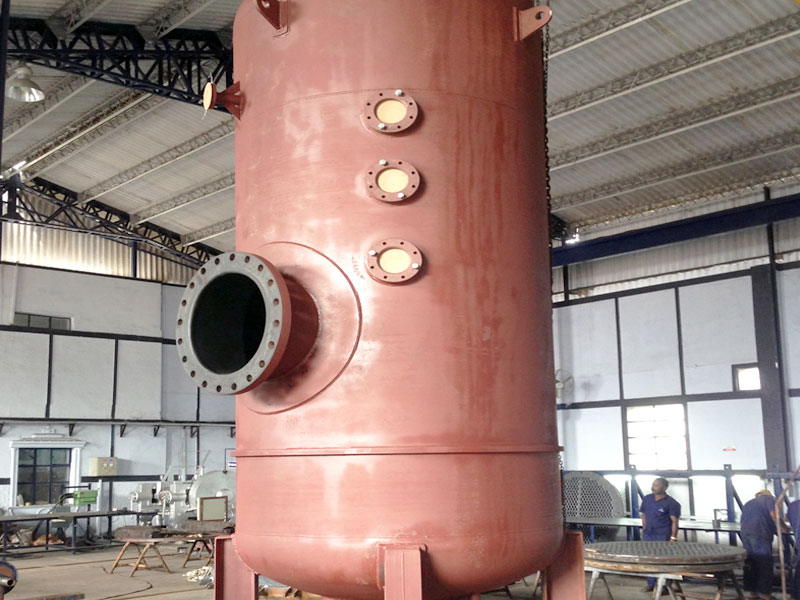


Quality control is an important aspect of exterior HCL tank blasting and painting. Surface cleanliness and profile are checked using visual comparators and instruments. Coating thickness is measured using dry film thickness gauges. Adhesion tests may be conducted to verify coating performance. Environmental conditions are recorded during blasting and painting. Any deviations are corrected immediately. Proper documentation ensures traceability and compliance. These checks guarantee consistent coating quality and performance.
Exterior HCL tanks blasted for painting are suitable for both new installations and refurbishment projects. For existing tanks, blasting removes aged coatings and corrosion damage. This restores the tank surface to near-original condition. For new tanks, blasting ensures superior coating performance from the start. The process can be carried out at the fabrication yard or at site. Proper planning minimizes downtime during maintenance. The result is a tank that meets operational and safety expectations. This makes blasting and painting a valuable maintenance practice.
Specification of Exterior Hcl Tank Blasted For Painting
| Specification of Exterior HCL Tank Blasted For Painting | |
|---|---|
| Tank Service | Hydrochloric Acid (HCL) Storage / Process Tank |
| Base Material | Mild Steel / Carbon Steel |
| Surface Preparation Method | Abrasive Blasting (Sand / Grit Blasting) |
| Blasting Standard | Sa 2.5 as per ISO 8501-1 |
| Surface Profile | 40 – 75 Microns |
| Abrasive Media | Garnet / Steel Grit / Approved Abrasive |
| Cleaning Before Blasting | Degreasing and Removal of Oil, Grease, and Soluble Salts |
| Time Between Blasting & Painting | Within 4 Hours (To Prevent Flash Rusting) |
| Primer Coat | Zinc Rich Epoxy / Epoxy Primer |
| Intermediate Coat | High Build Epoxy Coating |
| Top Coat | Polyurethane (PU) / Acrylic Finish Paint |
| Total Dry Film Thickness (DFT) | 200 – 300 Microns (As per coating system) |
| Application Method | Airless Spray / Conventional Spray / Roller |
| Environmental Conditions | Relative Humidity < 85%, Surface Temp ≥ 3°C Above Dew Point |
| Inspection & Testing | Surface Cleanliness Check, DFT Measurement, Visual Inspection |
| Standards Compliance | ISO 8501, ISO 8503, ISO 12944 / Customer Specification |
| Application Area | Exterior Surface of HCL Tank |
| Expected Coating Life | 8 – 15 Years (Depending on Environment & Maintenance) |
Chemical Composition of Exterior Hcl Tank Blasted For Painting
| Chemical Composition of Exterior HCL Tank (Base Metal & Coating) | |
|---|---|
| Base Material | Mild Steel / Carbon Steel (IS 2062 / Equivalent) |
| Carbon (C) | 0.15% – 0.25% |
| Manganese (Mn) | 0.60% – 1.50% |
| Silicon (Si) | 0.10% – 0.40% |
| Sulphur (S) | ≤ 0.045% |
| Phosphorus (P) | ≤ 0.045% |
| Iron (Fe) | Balance |
| Primer Composition | Epoxy Resin with Zinc Phosphate / Zinc Rich Pigments |
| Intermediate Coat Composition | High Build Epoxy Resin with Corrosion Inhibitors |
| Top Coat Composition | Polyurethane / Acrylic Resin with UV-Resistant Additives |
| Solvent System | Approved Industrial Solvents (Low Moisture Sensitivity) |
| Pigments & Fillers | Inert Fillers and Anti-Corrosive Pigments |
Mechanical Properties of Exterior Hcl Tank Blasted For Painting
| Mechanical Properties of Exterior HCL Tank Blasted For Painting | |
|---|---|
| Base Material | Mild Steel / Carbon Steel (IS 2062 / Equivalent) |
| Yield Strength | ≥ 250 MPa |
| Tensile Strength | 410 – 540 MPa |
| Elongation | ≥ 20% |
| Hardness (Steel) | 120 – 180 HB |
| Impact Resistance | Good toughness at ambient temperature |
| Modulus of Elasticity | 200 GPa |
| Surface Profile After Blasting | 40 – 75 Microns |
| Coating Adhesion Strength | > 6 N/mm (Cross Hatch / Pull-Off Test) |
| Coating Hardness | 70 – 85 Shore D (Depending on coating system) |
| Flexibility | No cracking or peeling under normal service loads |
| Resistance to Mechanical Damage | High resistance to abrasion and minor impacts |
| Operating Temperature Range | -10°C to 80°C (Coating dependent) |
| Fatigue Resistance | Good under cyclic environmental and load conditions |
| Expected Service Life | 8 – 15 Years (With proper surface prep & maintenance) |
Safety considerations are critical during blasting and painting of HCL tank exteriors. Operators use protective clothing, helmets, and respiratory equipment. Dust collection and containment systems are employed to control airborne particles. Paints and solvents are handled as per safety guidelines. Fire and explosion risks are managed through proper procedures. Waste materials are disposed of responsibly. Compliance with safety standards protects personnel and the environment. Safe practices ensure smooth project execution.
Pipe Testing Methods

Pipe Applications

We supply Pipes Worldwide.
Exporting Steel Pipes & Tubes to over 60 countries including Afghanistan, Albania, Andorra, Angloa, Austria, Australia, Bahrain, Bangladesh, Bhutan, Brazil, Brunei, Belarus, Belgium, Bulgaria, Cambodia, China, Cyprus, Croatia, Czech Republic, Canada, Denmark, Estonia, Egypt, Finland, France, Germany, Greece, Georgia, Hungary, Iceland, Ireland, Italy, Indonesia, Iran, Iraq, Israel, Japan, Jordan, Kazakhstan, Kuwait, Kyrgyzstan, Lebanon, Latvia, Latin America, Liechtenstein, Lithuania, Luxembourg, Malta, Madagascar, Mexico, Moldova, Monaco, Malaysia, Maldives, Mongolia, Myanmar (Burma), Nepal, New Zealand, North Korea, Netherlands, Norway, Nigeria, Oman, Poland, Portugal, Pakistan, Palestine, Philippines, Qatar, Russia, Romania, Russia, San Marino, Serbia and Montenegro, Slovakia, Slovenia, Spain, Sweden, Switzerland, Saudi Arabia, Singapore, South Korea, South Africa, Sri Lanka, Sudan, Syria, Taiwan, Tanzania, Tajikistan, Thailand, Turkey, Turkmenistan, Ukraine, United Kingdom, United Arab Emirates (UAE), Uzbekistan, Venezuela, Vietnam, Yemen, etc.