

HEATER SHELL WITH TUBE HOLDER PLATES Manufacturer Stockist Exporter
HEATER SHELL WITH TUBE HOLDER PLATES Manufacturer Stockist Exporter
Heater Shell with Tube Holder Plates is a critical component in shell-and-tube type heating equipment used in process industries. The heater shell forms the outer pressure boundary, while tube holder plates securely support and align the heat transfer tubes. This construction ensures efficient heat exchange and uniform fluid flow. The assembly is designed to withstand high operating temperatures and pressures. Precision fabrication ensures accurate tube positioning. This reduces vibration and tube wear during operation. The design enhances overall equipment reliability. Such heaters are widely used in continuous industrial processes.
The tube holder plates play a vital role in maintaining the structural integrity of the tube bundle. They ensure proper spacing and prevent tube sagging or displacement. Accurate drilling and machining of tube holes are essential for leak-free performance. Tube holder plates also help in distributing thermal stresses evenly. This minimizes the risk of tube failure. High-quality materials are selected to match service conditions. Proper alignment improves heat transfer efficiency. This contributes to stable long-term operation.
The heater shell is typically fabricated from carbon steel or alloy steel depending on pressure and temperature requirements. It is designed in accordance with applicable industrial codes and standards. Adequate shell thickness ensures safety under internal pressure. Welding is carried out using qualified procedures and skilled welders. All weld joints are inspected for quality and integrity. Post-fabrication treatments may be applied if required. This ensures durability and compliance with specifications. The shell provides robust protection for internal components.
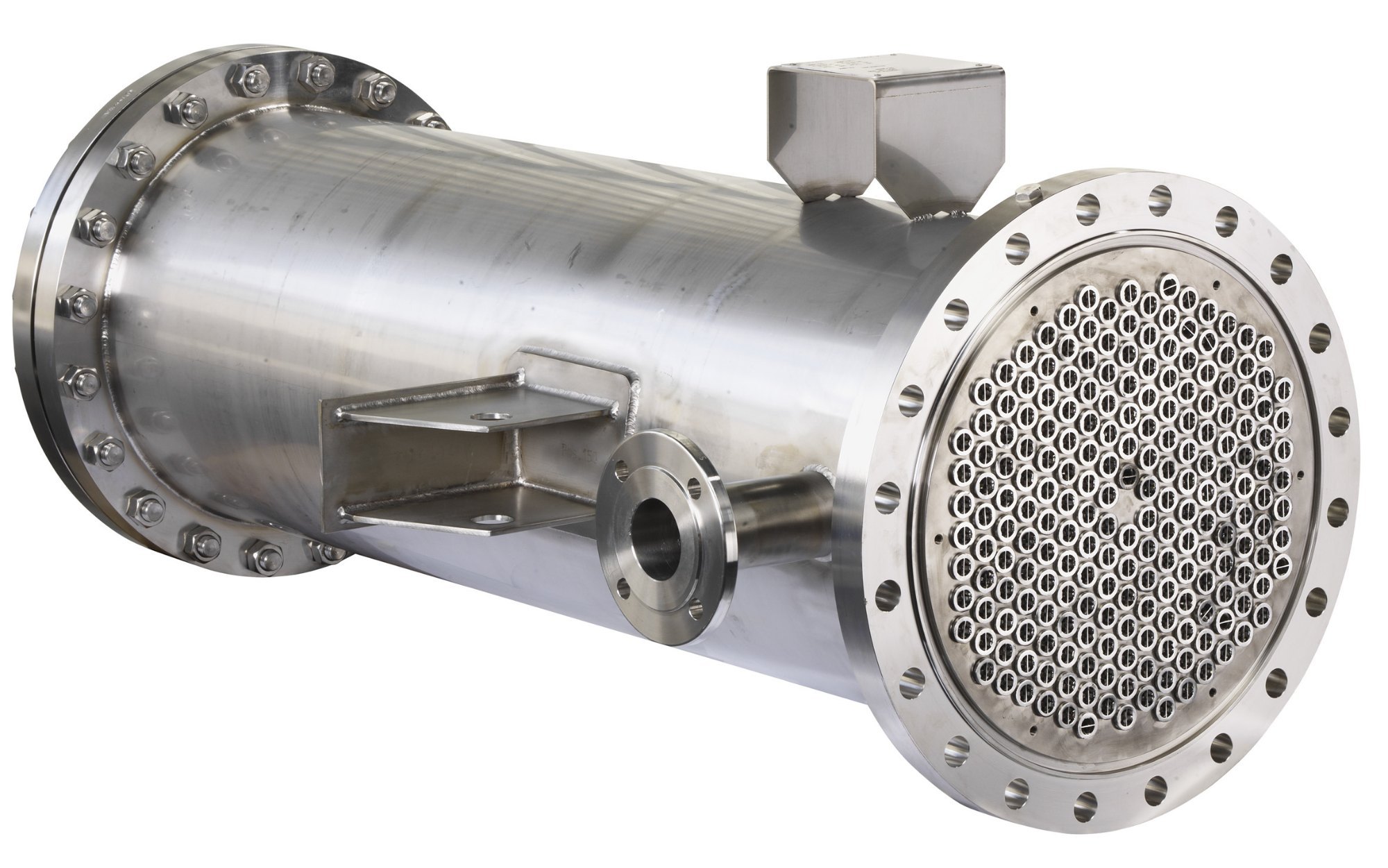
Tube holder plates are often manufactured from carbon steel, stainless steel, or special alloys. Material selection depends on the heating medium and process fluid. In corrosive environments, rubber lining or cladding may be provided. The plates are designed to resist deformation under thermal and mechanical loads. Smooth surface finish ensures proper tube seating. Accurate tolerances are maintained during fabrication. This prevents leakage and tube damage. Quality tube holder plates are essential for safe heater operation.
Heater Shell with Tube Holder Plates is widely used in chemical plants, fertilizer units, refineries, and power plants. These heaters are essential for heating process fluids, oils, and chemicals. The design allows easy assembly and disassembly of tube bundles. This simplifies inspection and maintenance activities. Proper access openings are provided in the shell. Efficient design reduces pressure drop across the heater. This improves overall process efficiency. Such heaters are suitable for continuous duty applications.
Thermal performance is a key consideration in the design of heater shells and tube holder plates. Uniform flow distribution across tubes ensures consistent heat transfer. Tube holder plates help guide fluid flow and reduce bypassing. Proper spacing minimizes fouling and scaling. This maintains heat transfer efficiency over time. The heater design can be optimized for specific process requirements. This results in energy-efficient operation. Reliable thermal performance is critical in process industries.
Our Other Valuable Products
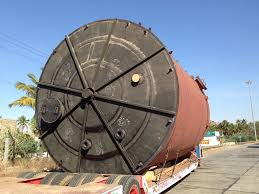
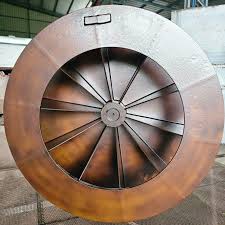
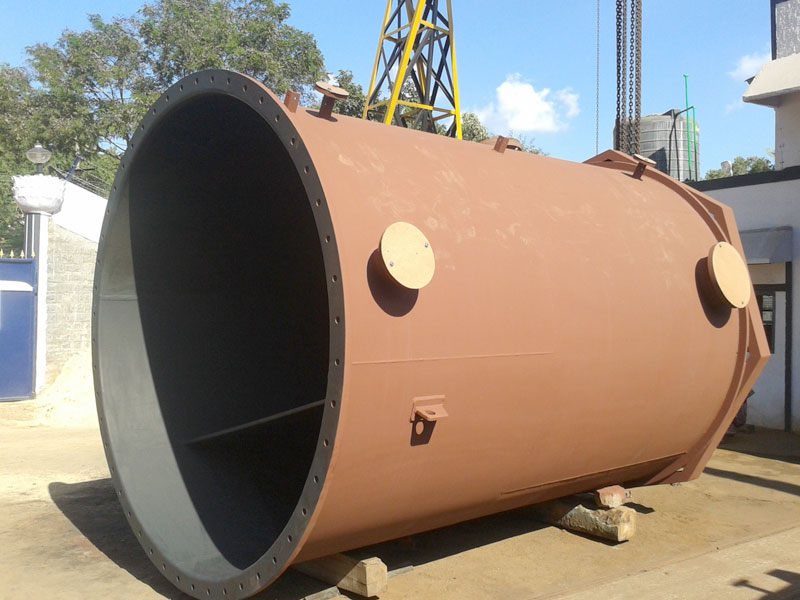
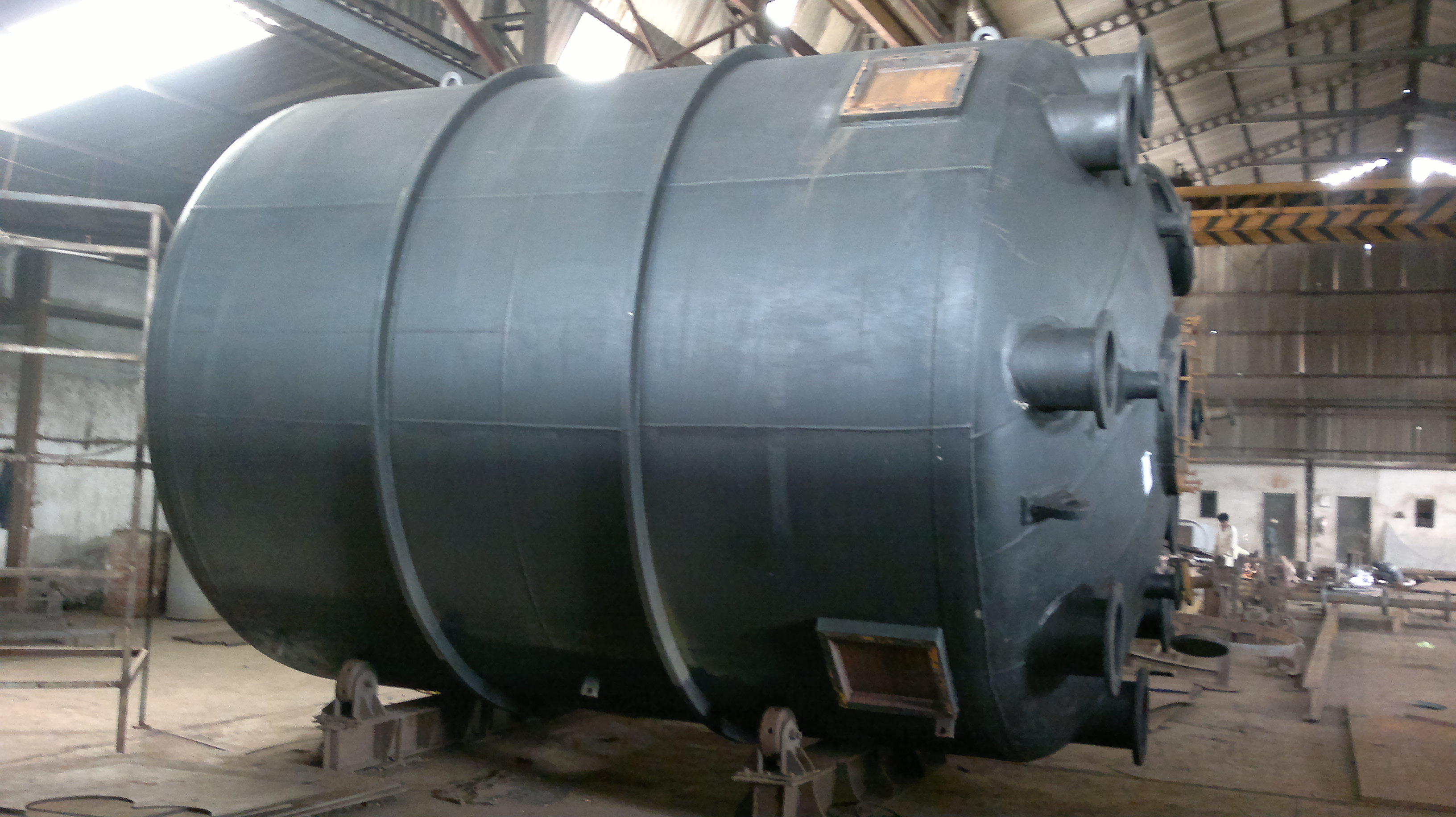
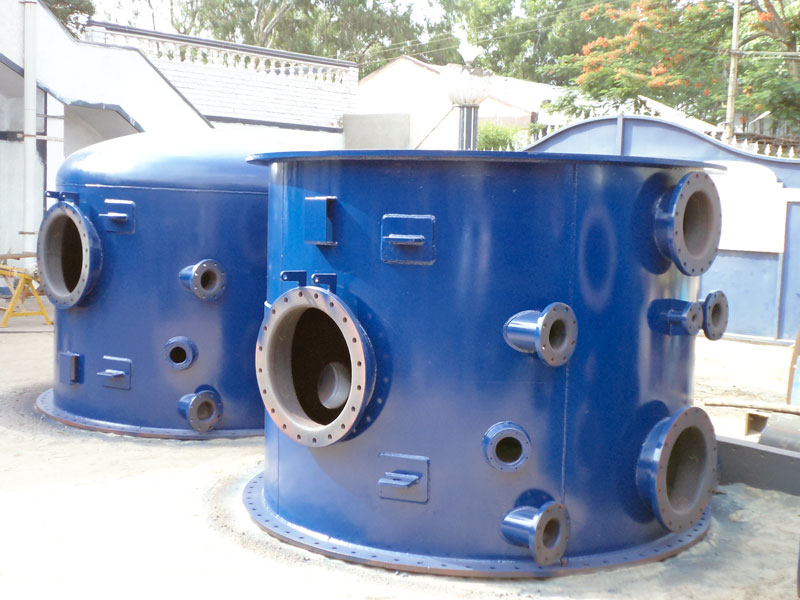
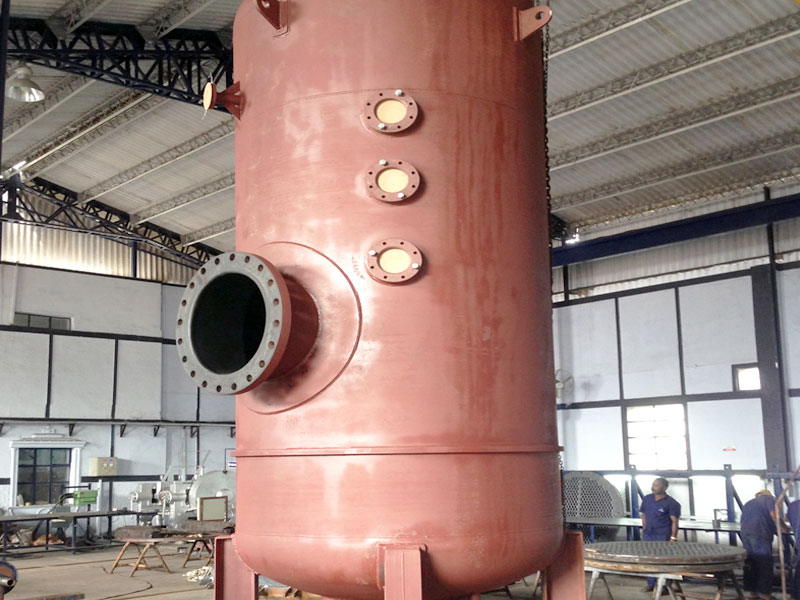


Fabrication quality directly impacts the performance of Heater Shell with Tube Holder Plates. Dimensional accuracy ensures proper fitment of all components. Non-destructive testing is carried out on critical welds. Hydrostatic or pneumatic testing may be conducted on the shell. Tube holder plates are checked for flatness and hole alignment. Any deviations are corrected before assembly. Strict quality control ensures safe operation. This builds confidence in long-term service reliability.
Maintenance and serviceability are important aspects of heater design. The shell and tube holder plates are designed for easy tube replacement. Removable covers or channel heads may be provided. This reduces downtime during maintenance. Corrosion protection systems can be applied to extend service life. Proper drainage and venting arrangements are included. These features simplify operation and upkeep. Well-designed heaters offer lower lifecycle costs.
Specification of HEATER SHELL WITH TUBE HOLDER PLATES
| Parameter | Specification |
|---|---|
| Product Name | Heater Shell with Tube Holder Plates |
| Equipment Type | Shell and Tube Type Heater |
| Shell Material | Carbon Steel / Alloy Steel (as per service) |
| Tube Holder Plate Material | Carbon Steel / Stainless Steel / Alloy Steel |
| Shell Thickness | As per design, pressure, and temperature requirement |
| Tube Holder Plate Thickness | 20 mm – 60 mm (customizable) |
| Tube Hole Arrangement | Triangular / Square Pitch |
| Tube Hole Finish | Precision Drilled / Machined |
| Design Pressure | As per process requirement |
| Design Temperature | Up to 400°C (depending on material) |
| Fabrication Standard | As per customer drawing and applicable industrial codes |
| Welding & Inspection | Qualified Welding Procedures, NDT as required |
| Testing | Hydrostatic / Pneumatic Test |
| Application | Chemical Plants, Fertilizer Units, Refineries, Process Industries |
Chemical Composition of HEATER SHELL WITH TUBE HOLDER PLATES
| Material | Element | Typical Composition (% by Weight) | Remarks |
|---|---|---|---|
| Heater Shell (Carbon Steel – IS 2062 / Equivalent) |
Carbon (C) | 0.15 – 0.25 | Provides strength and weldability |
| Manganese (Mn) | 0.60 – 1.50 | Improves toughness and hardness | |
| Silicon (Si) | 0.10 – 0.40 | Acts as deoxidizer, improves strength | |
| Sulphur (S) | ≤ 0.045 | Controlled to avoid brittleness | |
| Phosphorus (P) | ≤ 0.045 | Maintains ductility and toughness | |
| Iron (Fe) | Balance | Base structural element | |
| Tube Holder Plates (Carbon Steel / Alloy Steel) |
Carbon (C) | 0.18 – 0.30 | Provides rigidity and strength |
| Manganese (Mn) | 0.70 – 1.60 | Enhances toughness and load resistance | |
| Silicon (Si) | 0.15 – 0.50 | Improves oxidation resistance | |
| Chromium (Cr) | 0.50 – 1.25 (if alloy steel) | Improves strength and corrosion resistance | |
| Molybdenum (Mo) | 0.20 – 0.35 (if alloy steel) | Enhances high-temperature strength | |
| Iron (Fe) | Balance | Primary structural metal |
Mechanical Properties of HEATER SHELL WITH TUBE HOLDER PLATES
| Component | Property | Typical Value | Test Standard / Remarks |
|---|---|---|---|
| Heater Shell (Carbon Steel – IS 2062 / Equivalent) |
Tensile Strength | 410 – 540 MPa | As per IS 2062 |
| Yield Strength | ≥ 250 MPa | Minimum specified value | |
| Elongation | ≥ 23 % | Measured on standard gauge length | |
| Hardness | 120 – 170 HB | Brinell Hardness Test | |
| Impact Strength | Good | Suitable for pressure equipment | |
| Tube Holder Plates (Carbon Steel / Alloy Steel) |
Tensile Strength | 480 – 650 MPa | Depends on material grade |
| Yield Strength | ≥ 280 MPa | Improved rigidity and load resistance | |
| Elongation | ≥ 18 % | Ensures toughness under load | |
| Hardness | 140 – 220 HB | Higher hardness for tube support | |
| Operating Temperature | Up to 400°C | Depends on material selection |
Safety is a primary concern in Heater Shell with Tube Holder Plates. The shell is designed to safely contain pressure and temperature. Tube holder plates ensure stable tube arrangement, reducing the risk of leaks. Proper sealing arrangements prevent cross-contamination of fluids. Pressure relief and inspection provisions enhance operational safety. Compliance with relevant codes ensures reliability. These heaters support safe plant operation. Robust design minimizes operational risks.
Pipe Testing Methods

Pipe Applications

We supply Pipes Worldwide.
Exporting Steel Pipes & Tubes to over 60 countries including Afghanistan, Albania, Andorra, Angloa, Austria, Australia, Bahrain, Bangladesh, Bhutan, Brazil, Brunei, Belarus, Belgium, Bulgaria, Cambodia, China, Cyprus, Croatia, Czech Republic, Canada, Denmark, Estonia, Egypt, Finland, France, Germany, Greece, Georgia, Hungary, Iceland, Ireland, Italy, Indonesia, Iran, Iraq, Israel, Japan, Jordan, Kazakhstan, Kuwait, Kyrgyzstan, Lebanon, Latvia, Latin America, Liechtenstein, Lithuania, Luxembourg, Malta, Madagascar, Mexico, Moldova, Monaco, Malaysia, Maldives, Mongolia, Myanmar (Burma), Nepal, New Zealand, North Korea, Netherlands, Norway, Nigeria, Oman, Poland, Portugal, Pakistan, Palestine, Philippines, Qatar, Russia, Romania, Russia, San Marino, Serbia and Montenegro, Slovakia, Slovenia, Spain, Sweden, Switzerland, Saudi Arabia, Singapore, South Korea, South Africa, Sri Lanka, Sudan, Syria, Taiwan, Tanzania, Tajikistan, Thailand, Turkey, Turkmenistan, Ukraine, United Kingdom, United Arab Emirates (UAE), Uzbekistan, Venezuela, Vietnam, Yemen, etc.