
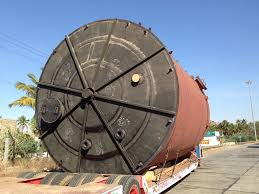
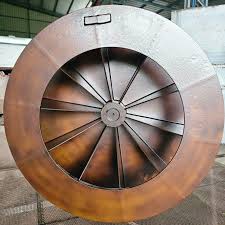
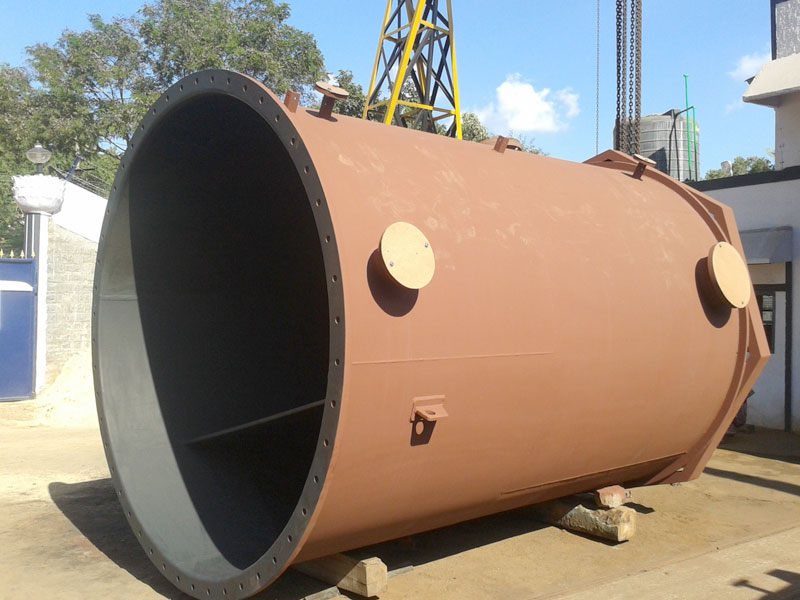
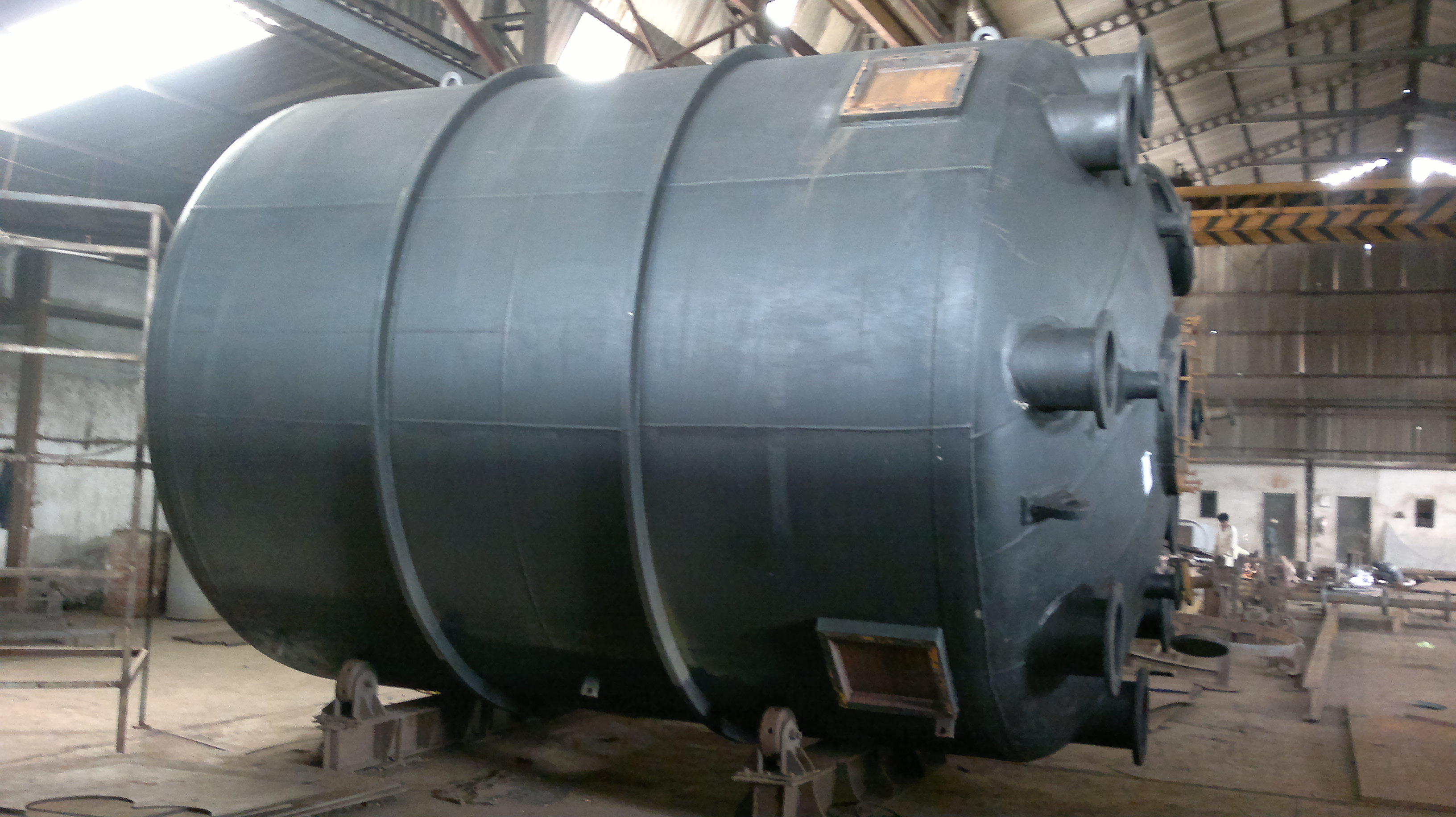
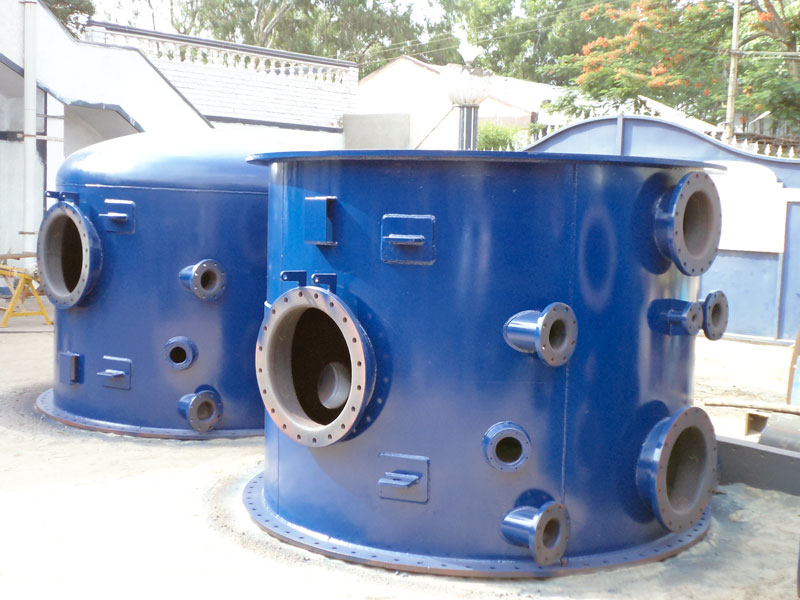
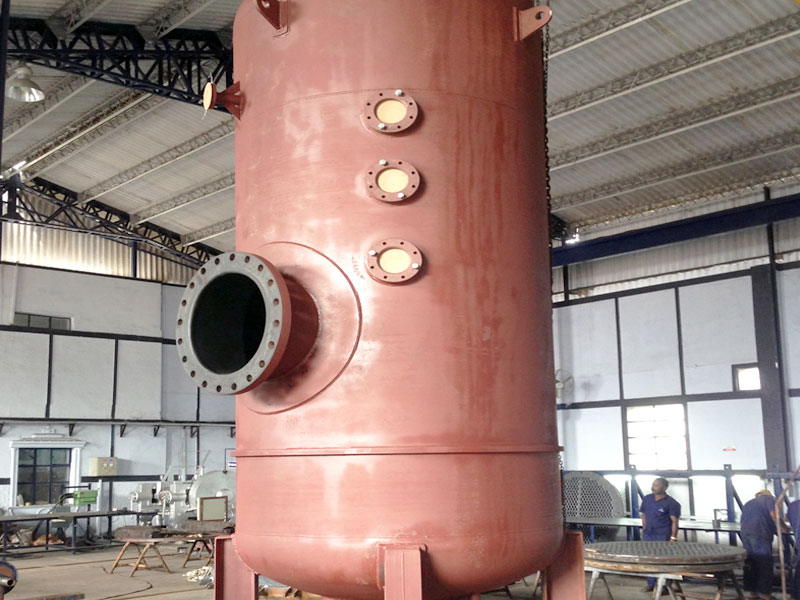


MSRL Flash Nozzle is used for controlled fluid distribution, chemical spraying, flash cooling, and industrial process applications in corrosive environments.

MSRL FLASH NOZZLE Manufacturer Stockist Exporter
MSRL Flash Nozzle Manufacturer, Stockist & Worldwide Exporter in India
Synergy Engineering Solution is a globally trusted ISO certified manufacturer, stockist, and exporter of high-quality MSRL Flash Nozzle designed for industrial chemical processing, cooling systems, and refinery applications. With over 10+ years of engineering expertise, we specialize in corrosion-resistant rubber-lined nozzle systems for demanding industrial environments.
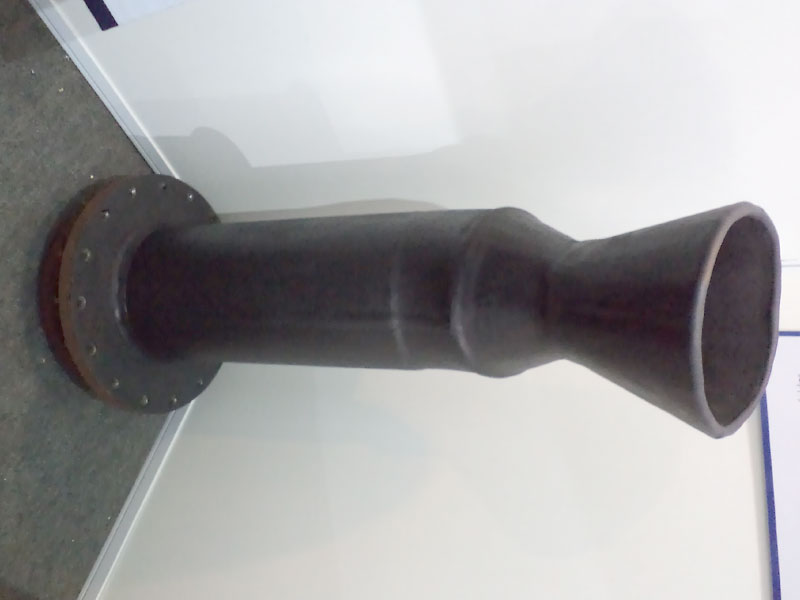
MSRL Flash Nozzle (Mild Steel Rubber Lined Flash Nozzle) is an advanced industrial component used for controlled fluid distribution, chemical spraying, and flash cooling applications in aggressive environments where corrosion protection is essential.
We supply MSRL Flash Nozzles across India and global markets with strong export presence in the Middle East including UAE, Saudi Arabia, Qatar, Oman, Kuwait, Bahrain, Iraq, Jordan, and Egypt.
Company Overview – Synergy Engineering Solution
Synergy Engineering Solution is a leading engineering manufacturing company based in Mumbai, India, specializing in industrial rubber lined equipment, chemical processing components, and corrosion-resistant systems for global industries.
We are known for delivering high-performance MSRL Flash Nozzles that meet international quality standards and are widely used in chemical plants, oil & gas industries, and heavy engineering sectors.
Our advanced manufacturing facility ensures precision fabrication, high-quality rubber lining, and strict quality control systems that guarantee reliable performance in extreme industrial conditions.
High-Performance MSRL Flash Nozzle for Industrial Applications
MSRL Flash Nozzle is a specialized industrial nozzle designed for controlled fluid discharge, chemical spray distribution, and flash cooling applications in aggressive chemical environments.
The rubber lining inside the mild steel body protects the nozzle from corrosion, chemical attack, and abrasion, ensuring long-term durability and efficient performance in industrial systems.
These nozzles are widely used in chemical processing plants, refineries, and industrial cooling systems where precision flow control and chemical resistance are critical.
Applications of MSRL Flash Nozzle
The MSRL Flash Nozzle manufactured by Synergy Engineering Solution is widely used in industries where controlled fluid distribution, chemical resistance, and high-performance spray or flash handling systems are required. Its rubber-lined construction ensures reliable operation even in highly corrosive environments.
These nozzles are engineered for precision performance in demanding industrial systems where mild steel alone cannot withstand chemical attack. The MSRL lining provides a protective barrier that significantly enhances service life and operational safety.
- Chemical Processing Plants
- Oil & Gas Refineries
- Petrochemical Industries
- Industrial Cooling Systems
- Flash Cooling Applications
- Acid Handling Systems
- Alkali Processing Units
- Power Generation Plants
- Thermal Processing Units
- Gas Scrubbing Systems
- Water Treatment Plants
- Effluent Treatment Plants (ETP)
- Industrial Spray Systems
- Process Engineering Units
- Heavy Chemical Industries
Features of MSRL Flash Nozzle
MSRL Flash Nozzle is designed using advanced fabrication technology and high-grade rubber lining to ensure excellent resistance against corrosion, abrasion, and chemical attack. Each nozzle is engineered for precise flow control and long-lasting industrial performance.
- Mild Steel Structural Strength
- High-Quality Rubber Lining Protection
- Excellent Chemical Resistance
- Superior Corrosion Protection
- Precision Flow Control Design
- Leak-Proof Construction
- High Thermal Stability
- Customizable Size and Design
- Long Service Life
- Low Maintenance Requirement
- High Durability in Harsh Conditions
- Excellent Abrasion Resistance
- Industrial Grade Performance
- Suitable for Continuous Operation
- Cost-Effective Engineering Solution
Advantages of MSRL Flash Nozzle
MSRL Flash Nozzle offers significant advantages over conventional metal nozzles due to its dual-layer construction combining mild steel strength with rubber lining protection. This ensures long-term performance in highly corrosive and high-temperature industrial environments.
At Synergy Engineering Solution, our MSRL Flash Nozzles are engineered to deliver maximum efficiency, reduced downtime, and improved operational safety in industrial systems worldwide.
- Excellent Corrosion Resistance
- High Resistance to Acids and Alkalis
- Improved Flow Efficiency
- Long Operational Life
- Reduced Maintenance Cost
- Leak-Free Operation
- High Mechanical Strength
- Stable Performance Under Pressure
- Cost-Effective Alternative to Alloy Nozzles
- Enhanced Industrial Safety
- Reliable Continuous Operation
Manufacturing Process of MSRL Flash Nozzle
At Synergy Engineering Solution, the MSRL Flash Nozzle is manufactured using a highly controlled engineering process to ensure precision, durability, and compliance with international standards.
The process begins with selection of high-grade mild steel, which is carefully inspected for strength, thickness, and structural integrity. The material is then cut and machined into precise nozzle shapes using advanced fabrication equipment.
The internal surface is cleaned, blasted, and chemically treated to ensure perfect adhesion of the rubber lining. A high-performance rubber lining is then applied using hot vulcanization or cold bonding techniques depending on application requirements.
After lining, the nozzle is cured under controlled conditions to ensure strong bonding and long-term durability. Each unit undergoes strict quality testing including spark testing, dimensional inspection, and pressure testing before final approval.
Why Choose Synergy Engineering Solution?
Synergy Engineering Solution is a trusted global manufacturer, stockist, and exporter of MSRL Flash Nozzle systems with a strong reputation for delivering high-quality corrosion-resistant industrial components.
With over a decade of engineering experience, we provide reliable and cost-effective solutions for chemical, refinery, and industrial applications across India and global markets, especially in the Middle East.
- ISO Certified Manufacturing Company
- 10+ Years of Industrial Experience
- Strong Export Presence in Middle East & Worldwide
- Advanced Rubber Lining Technology
- Strict Quality Control System
- Custom Engineering Solutions
- Competitive Global Pricing
- On-Time Delivery Assurance
- Skilled Technical Engineering Team
- Trusted by Global Industrial Clients
Our Other Valuable Products
Along with MSRL Flash Nozzle, Synergy Engineering Solution is a leading manufacturer, stockist, and worldwide exporter of high-quality rubber lined, MS, and alloy-based industrial equipment. Our products are widely used in chemical plants, refineries, power generation units, and process industries across global markets, especially the Middle East.
Chemical Properties of MSRL Flash Nozzle
MSRL Flash Nozzle is manufactured using a combination of mild steel base and high-performance rubber lining. This combination ensures excellent resistance against aggressive chemicals, acids, alkalis, and industrial process fluids.
| Component | Typical Composition (%) |
|---|---|
| Mild Steel Base Material | 98.0 – 99.2% |
| Carbon (C) | 0.10 – 0.25% |
| Manganese (Mn) | 0.30 – 0.90% |
| Silicon (Si) | 0.10 – 0.35% |
| Sulfur (S) | < 0.05% |
| Phosphorus (P) | < 0.04% |
| Rubber Lining Layer | High Resistance Industrial Elastomer |
Mechanical Properties of MSRL Flash Nozzle
The MSRL Flash Nozzle is engineered for high mechanical strength and durability, ensuring reliable performance in continuous industrial operations under pressure, temperature variations, and corrosive environments.
| Property | Typical Value |
|---|---|
| Tensile Strength | 400 – 550 MPa |
| Yield Strength | 240 – 340 MPa |
| Elongation | 20 – 30% |
| Hardness | 120 – 180 HB |
| Impact Resistance | High |
| Operating Temperature | -10°C to 150°C |
| Chemical Resistance | Excellent (Acids & Alkalis) |
| Service Life | 15 – 25+ Years |
Quality Testing of MSRL Flash Nozzle
At Synergy Engineering Solution, every MSRL Flash Nozzle undergoes strict quality inspection to ensure reliability, safety, and long service life. Our ISO-certified quality system ensures compliance with international industrial standards.
Each product is tested at multiple stages from raw material inspection to final dispatch to ensure flawless performance in real-world industrial environments.
- Raw Material Inspection
- Dimensional Accuracy Testing
- Surface Preparation Verification
- Rubber Lining Thickness Check
- Adhesion Strength Testing
- Spark Testing for Lining Integrity
- Hydrostatic Pressure Testing
- Leakage Testing
- Hardness Testing (Shore A)
- Final Visual Inspection
Industries We Serve
MSRL Flash Nozzle is widely used in industries requiring corrosion resistance, precise fluid control, and long-term reliability. Synergy Engineering Solution supplies these products across India and global export markets, especially the Middle East region.
- Chemical Processing Industries
- Oil & Gas Refineries
- Petrochemical Plants
- Power Generation Plants
- Industrial Cooling Systems
- Thermal Processing Units
- Fertilizer Industries
- Pharmaceutical Plants
- Desalination Plants
- Water Treatment Plants
- Steel & Metal Industries
- Heavy Engineering Projects
- Marine & Offshore Industries
- Process Engineering Plants
- Export Industrial Projects
Worldwide Exporter of MSRL Flash Nozzle with Strong Middle East Presence
Synergy Engineering Solution is a globally trusted manufacturer, stockist, and exporter of MSRL Flash Nozzle, supplying high-performance corrosion-resistant industrial nozzle systems to clients across Asia, Africa, Europe, and the Middle East.
We have a strong export network in the Middle East region, supplying MSRL Flash Nozzles to UAE, Saudi Arabia, Qatar, Oman, Kuwait, Bahrain, Iraq, Jordan, and Egypt. These countries rely heavily on chemical processing plants, refineries, and industrial cooling systems where our products deliver reliable and long-lasting performance.
Our export division ensures complete support including safe packaging, export documentation, logistics coordination, and compliance with international standards. We also offer customized MSRL Flash Nozzle solutions tailored to specific industrial project requirements.
Frequently Asked Questions (FAQ)
What is an MSRL Flash Nozzle used for?
Why is MSRL used in flash nozzles?
MSRL (Mild Steel Rubber Lined) provides excellent corrosion resistance while maintaining strong structural integrity, making it ideal for aggressive chemical environments.
Do you export MSRL Flash Nozzle to Middle East countries?
Yes, Synergy Engineering Solution exports MSRL Flash Nozzles to UAE, Saudi Arabia, Qatar, Oman, Kuwait, Bahrain, Iraq, Jordan, and Egypt with complete export documentation support.
What is the service life of MSRL Flash Nozzle?
MSRL Flash Nozzle typically offers a service life of 15 to 25+ years depending on operating conditions and maintenance.
Can MSRL Flash Nozzle be customized?
Yes, we manufacture fully customized MSRL Flash Nozzles based on size, flow requirements, pressure ratings, and industrial applications.
A Leading Manufacturer and Stockist of Pipes.