

MSRL FLASH NOZZLE RUBBER LINED Manufacturer Stockist Exporter
MSRL FLASH NOZZLE RUBBER LINED Manufacturer Stockist Exporter
MSRL Flash Nozzle Rubber Lined is a critical component used in chemical and process industries where highly corrosive fluids are handled under varying pressure and temperature conditions. It is fabricated from Mild Steel Rubber Lined (MSRL) material and internally protected with high-quality rubber lining. This construction ensures long service life and consistent performance even in aggressive chemical environments. The nozzle is engineered to manage flash conditions efficiently while minimizing internal erosion. Its robust design supports reliable plant operation and reduced maintenance cycles. Rubber lining prevents direct chemical contact with the steel substrate. This makes it ideal for demanding industrial applications. The nozzle ensures safety, durability, and operational stability.
The primary function of an MSRL Flash Nozzle Rubber Lined unit is to control the release and direction of flashing liquids or vapors in process systems. During sudden pressure drops, liquids partially vaporize, creating highly turbulent flow conditions. The rubber-lined interior absorbs the impact of high-velocity fluids and reduces wear. This design helps maintain flow integrity and prevents premature equipment failure. It ensures smooth transition during flashing operations. The nozzle supports stable process control. Its efficiency improves overall plant productivity. This makes it an essential part of flash systems.
High-quality rubber lining is a key feature of MSRL Flash Nozzle Rubber Lined equipment. The lining is carefully selected based on the chemical composition and operating temperature of the process media. It provides excellent resistance to acids, alkalis, and abrasive slurries. The lining is bonded using proven rubber-to-metal bonding techniques. This ensures strong adhesion and long-lasting protection. Uniform lining thickness improves flow behavior. It also minimizes localized corrosion. The result is extended equipment life and reduced downtime.
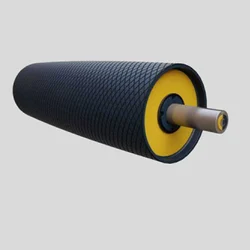
The MSRL base material offers strong mechanical support and structural integrity to the flash nozzle. Mild steel provides high strength and pressure-handling capability. When combined with rubber lining, it forms a cost-effective alternative to expensive alloy materials. The nozzle can be customized in various diameters and lengths. It is suitable for both vertical and horizontal installations. Fabrication is carried out as per industrial standards. Dimensional accuracy ensures easy integration. This flexibility makes it suitable for diverse process layouts.
MSRL Flash Nozzle Rubber Lined units are widely used in fertilizer plants, chemical processing units, and acid handling systems. They perform reliably in phosphoric acid, sulfuric acid, and mixed chemical environments. The nozzle is also used in effluent treatment plants and scrubber systems. Its ability to handle corrosive media makes it highly versatile. Industries prefer it for long-term reliability. It supports continuous operation under harsh conditions. Maintenance requirements are minimal. This leads to lower operating costs.
The internal rubber lining of the flash nozzle plays a vital role in reducing erosion caused by flashing fluids. High-velocity particles and vapors can severely damage unprotected metal surfaces. The elastic nature of rubber absorbs impact energy. This significantly reduces metal loss and surface degradation. The smooth lining surface improves flow efficiency. It prevents buildup and scaling. The nozzle remains operational for longer periods. This enhances plant safety and efficiency.
Our Other Valuable Products
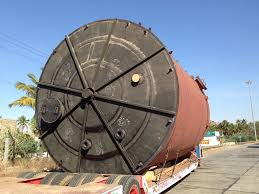
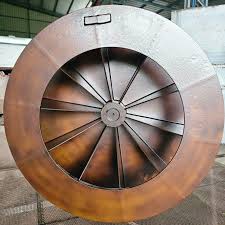
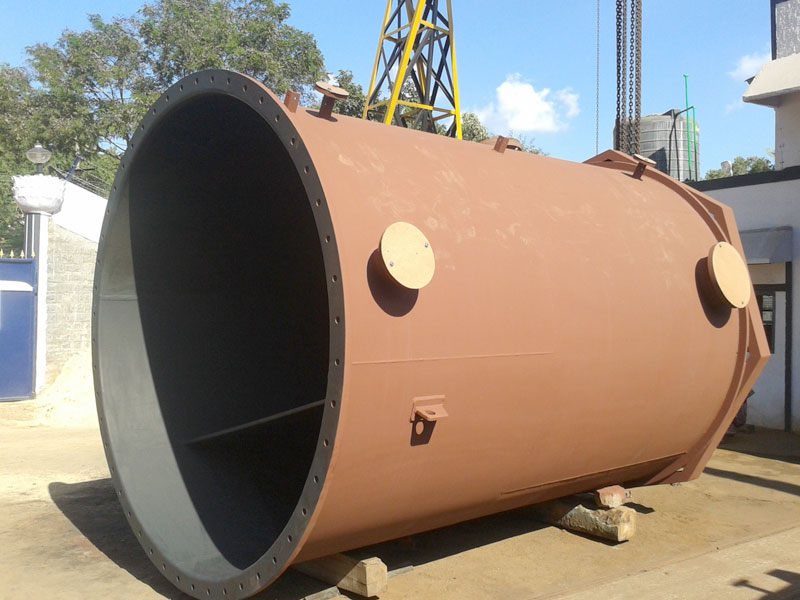
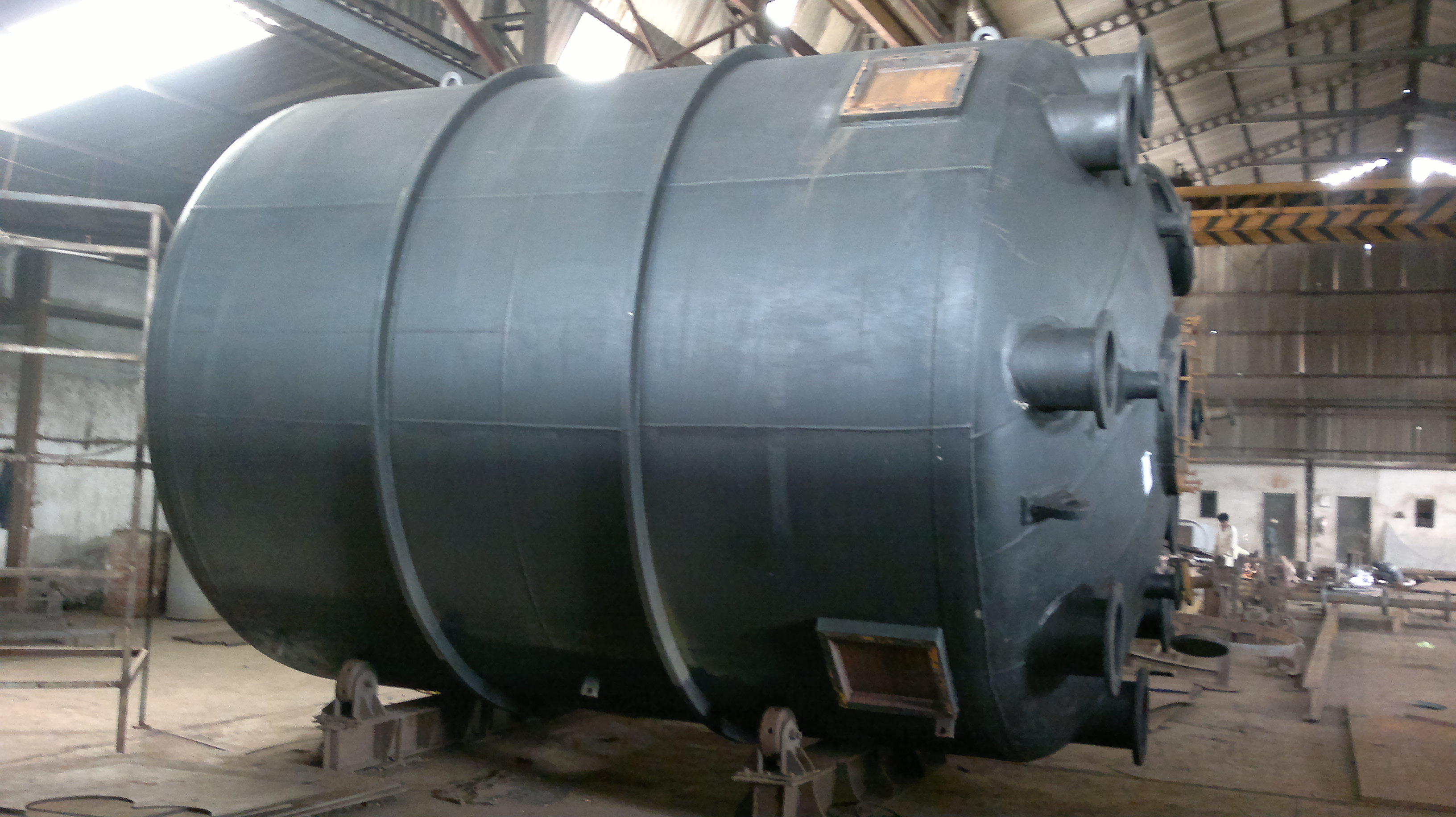
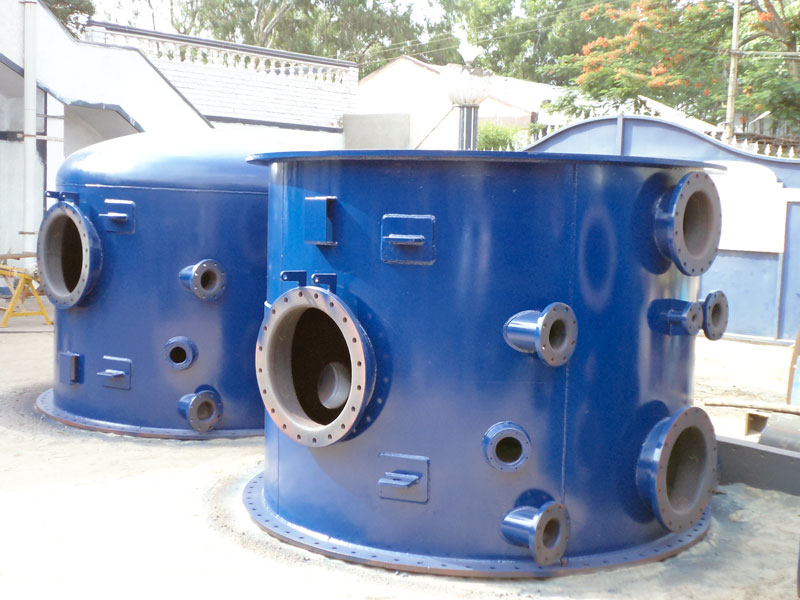
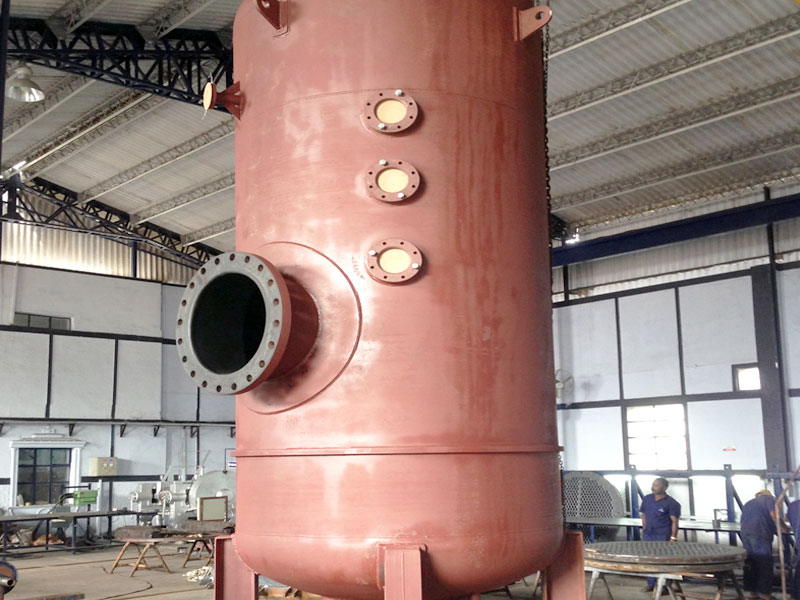


Manufacturing of MSRL Flash Nozzle Rubber Lined equipment involves strict quality control procedures. Raw materials are carefully inspected before fabrication. Welding is carried out by qualified professionals to ensure leak-free joints. Rubber lining application follows standardized curing and testing processes. Spark testing is conducted to detect lining defects. Dimensional checks ensure compliance with drawings. Pressure testing confirms mechanical integrity. These steps guarantee high-quality output.
Installation of MSRL Flash Nozzle Rubber Lined systems is simple and efficient. The nozzle is designed with standard flanges or customized connections. This allows easy integration with existing pipelines and vessels. Proper alignment ensures uniform flow distribution. The rubber lining requires minimal handling during installation. Once installed, the nozzle operates with high reliability. Regular inspection is easy to perform. Maintenance shutdowns are reduced. This improves overall plant uptime.
Specification of MSRL FLASH NOZZLE RUBBER LINED
| Specification of MSRL Flash Nozzle Rubber Lined | |
|---|---|
| Product Name | MSRL Flash Nozzle Rubber Lined |
| Base Material | Mild Steel |
| Lining Type | Natural Rubber / Synthetic Rubber (as per service conditions) |
| Lining Thickness | 3 mm to 10 mm (Customizable) |
| Design Standard | As per customer drawing / industrial standards |
| Size Range | DN 25 to DN 600 (Custom sizes available) |
| Pressure Rating | Up to 10 kg/cm² (depending on design) |
| Operating Temperature | -20°C to 90°C (depending on rubber grade) |
| End Connections | Flanged / Welded / Customized |
| Application | Chemical plants, fertilizer units, acid handling, flash systems |
| Corrosion Resistance | Excellent resistance to acids, alkalis, and corrosive media |
| Surface Finish | Smooth internal rubber lining, external primer or painted finish |
| Testing | Spark test, visual inspection, dimensional check |
| Customization | Available as per process and client requirements |
Chemical Composition of MSRL FLASH NOZZLE RUBBER LINED
| Chemical Composition of MSRL Flash Nozzle Rubber Lined | ||
|---|---|---|
| Material | Element | Composition (%) |
| Mild Steel (Base Material) | Carbon (C) | 0.15 – 0.25 |
| Manganese (Mn) | 0.60 – 1.00 | |
| Silicon (Si) | 0.10 – 0.35 | |
| Phosphorus (P) | ≤ 0.040 | |
| Sulphur (S) | ≤ 0.040 | |
| Iron (Fe) | Balance | |
| Rubber Lining (Typical) | Natural Rubber / Synthetic Rubber | 45 – 65 |
| Carbon Black | 20 – 30 | |
| Processing Oils | 5 – 10 | |
| Zinc Oxide | 3 – 6 | |
| Sulphur (Curing Agent) | 1 – 3 | |
| Accelerators & Additives | Balance | |
Mechanical Properties of MSRL FLASH NOZZLE RUBBER LINED
| Mechanical Properties of MSRL Flash Nozzle Rubber Lined | ||
|---|---|---|
| Component | Property | Typical Value |
| Mild Steel (Base Material) | Tensile Strength | 410 – 550 MPa |
| Yield Strength | 250 – 300 MPa | |
| Elongation | 20 – 25 % | |
| Hardness | 120 – 180 HB | |
| Impact Strength | Good (as per design) | |
| Working Pressure Capability | Up to 10 kg/cm² | |
| Rubber Lining | Hardness | 50 – 70 Shore A |
| Tensile Strength | 12 – 20 MPa | |
| Elongation at Break | 300 – 600 % | |
| Tear Resistance | Good to Excellent | |
| Abrasion Resistance | High | |
| Operating Temperature | -20°C to 90°C | |
From a maintenance perspective, MSRL Flash Nozzle Rubber Lined equipment offers significant advantages. The rubber lining protects against corrosion, reducing frequent repairs. Periodic visual inspections are usually sufficient. In case of lining wear, relining can be carried out cost-effectively. This extends the service life of the nozzle. Spare replacement frequency is low. Operational interruptions are minimized. Maintenance costs are reduced. This makes it an economical choice.
Pipe Testing Methods

Pipe Applications

We supply Pipes Worldwide.
Exporting Steel Pipes & Tubes to over 60 countries including Afghanistan, Albania, Andorra, Angloa, Austria, Australia, Bahrain, Bangladesh, Bhutan, Brazil, Brunei, Belarus, Belgium, Bulgaria, Cambodia, China, Cyprus, Croatia, Czech Republic, Canada, Denmark, Estonia, Egypt, Finland, France, Germany, Greece, Georgia, Hungary, Iceland, Ireland, Italy, Indonesia, Iran, Iraq, Israel, Japan, Jordan, Kazakhstan, Kuwait, Kyrgyzstan, Lebanon, Latvia, Latin America, Liechtenstein, Lithuania, Luxembourg, Malta, Madagascar, Mexico, Moldova, Monaco, Malaysia, Maldives, Mongolia, Myanmar (Burma), Nepal, New Zealand, North Korea, Netherlands, Norway, Nigeria, Oman, Poland, Portugal, Pakistan, Palestine, Philippines, Qatar, Russia, Romania, Russia, San Marino, Serbia and Montenegro, Slovakia, Slovenia, Spain, Sweden, Switzerland, Saudi Arabia, Singapore, South Korea, South Africa, Sri Lanka, Sudan, Syria, Taiwan, Tanzania, Tajikistan, Thailand, Turkey, Turkmenistan, Ukraine, United Kingdom, United Arab Emirates (UAE), Uzbekistan, Venezuela, Vietnam, Yemen, etc.