
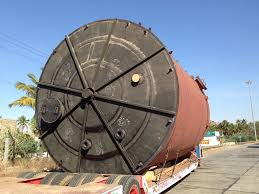
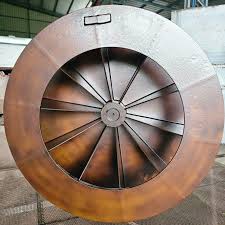
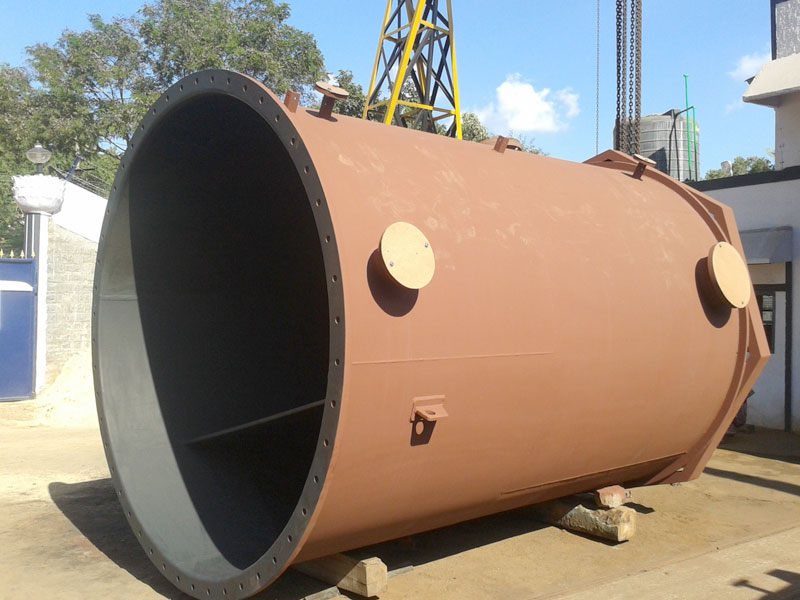
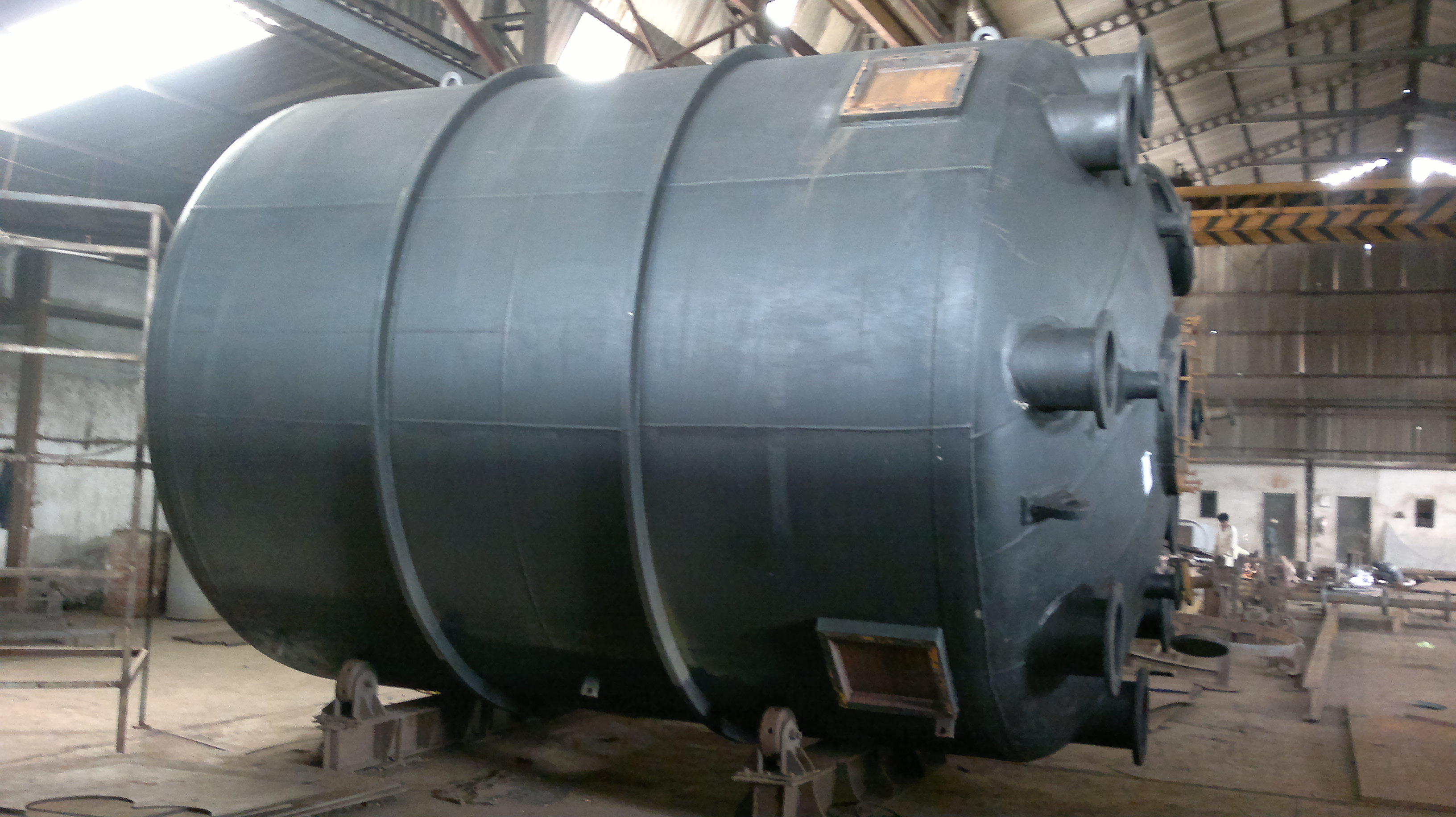
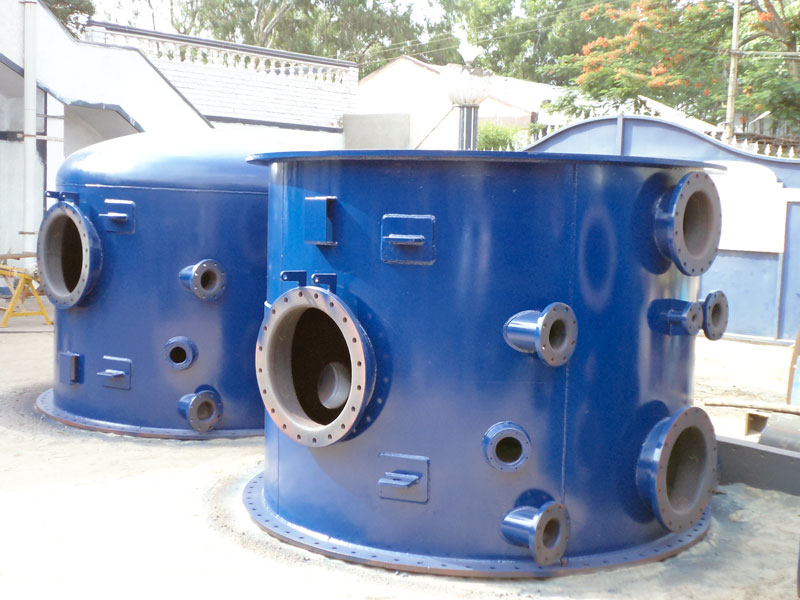
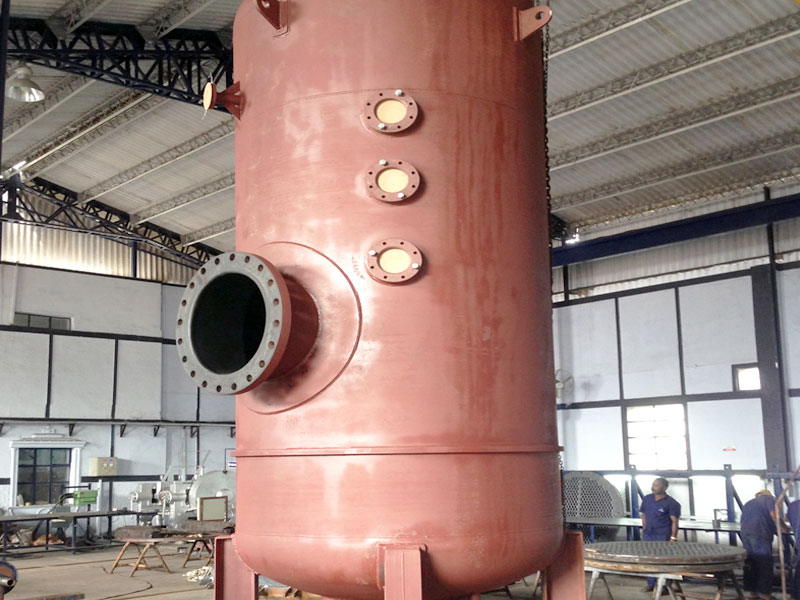


MSRL Heater Shell is used in industrial heating systems, chemical processing units, and refinery applications where corrosion resistance and thermal stability are required.

MSRL Heater Shell Manufacturer, Stockist & Worldwide Exporter in India
Synergy Engineering Solution is a globally recognized ISO certified manufacturer, stockist, and exporter of high-quality MSRL Heater Shell designed for industrial heating systems, chemical processing units, refineries, and heavy engineering applications. With over 10+ years of engineering expertise, we deliver advanced corrosion-resistant and high-performance heater shell solutions for global industries.
MSRL (Mild Steel Rubber Lined) Heater Shells are specially engineered components used in heating, chemical reaction, and industrial thermal systems where corrosion resistance and structural strength are critical. These shells provide a protective rubber lining over mild steel structures to ensure long service life in aggressive environments.
We proudly serve domestic and international markets with strong export presence in the Middle East region including UAE, Saudi Arabia, Qatar, Oman, Kuwait, Bahrain, Iraq, Jordan, and Egypt.
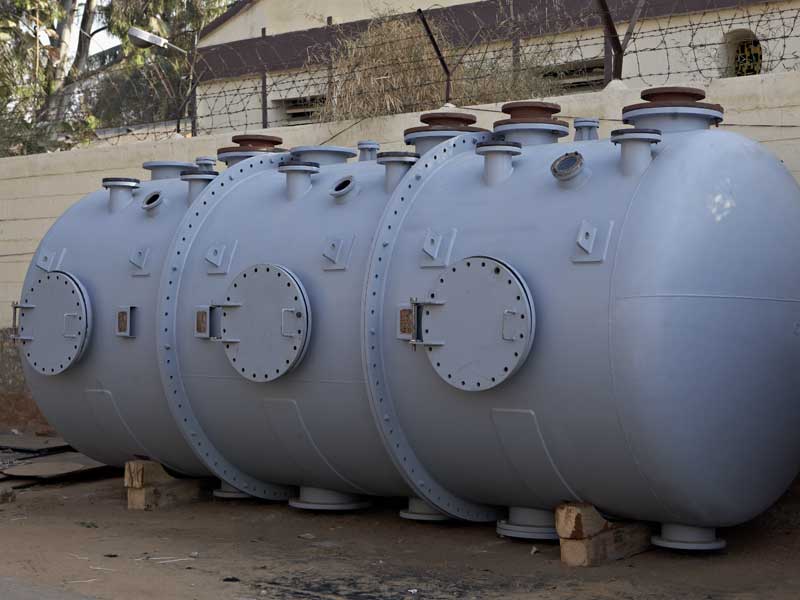
Company Overview – Synergy Engineering Solution
Synergy Engineering Solution is a leading engineering company based in Mumbai, India, specializing in industrial fabrication, rubber-lined equipment, and chemical process systems. We are known for manufacturing durable and high-performance MSRL Heater Shells for critical industrial applications.
Our manufacturing facility is equipped with advanced fabrication machinery, rubber lining technology, and strict quality control systems that ensure precision engineering and international compliance.
We have built a strong global reputation as a trusted supplier of MSRL equipment, serving industries such as oil & gas, petrochemicals, chemical processing, power generation, and industrial heating systems.
High-Performance MSRL Heater Shell for Industrial Applications
MSRL Heater Shell is a specially designed industrial shell made from Mild Steel with Rubber Lining (MSRL), used in heating systems where corrosion resistance and thermal stability are essential. These shells protect internal surfaces from chemical attack while maintaining structural strength.
They are widely used in industrial heating equipment, chemical reactors, and process industries where exposure to acids, alkalis, and high-temperature fluids is common.
Synergy Engineering Solution ensures that every MSRL Heater Shell is fabricated using premium-grade materials and advanced rubber lining technology for maximum durability and performance.
Applications of MSRL Heater Shell
MSRL Heater Shell manufactured by Synergy Engineering Solution is widely used in industries where corrosion resistance, thermal stability, and long-term operational reliability are critical. These heater shells are specially designed for aggressive chemical and high-temperature environments, making them ideal for modern industrial heating systems.
Due to their robust MSRL construction (Mild Steel Rubber Lined), these heater shells provide excellent protection against acid, alkali, and chemical exposure while maintaining strong structural integrity in continuous industrial operations.
- Industrial Heating Systems
- Chemical Processing Plants
- Oil & Gas Refineries
- Petrochemical Industries
- Heat Exchange Equipment
- Boiler Systems and Auxiliary Heating Units
- Power Generation Plants
- Fertilizer Manufacturing Units
- Acid and Alkali Handling Systems
- Desalination and Water Treatment Plants
- Industrial Reactor Heating Systems
- Process Industry Equipment
- Heavy Engineering Applications
- Marine and Offshore Industries
- Thermal Processing Units
Features of MSRL Heater Shell
MSRL Heater Shell is engineered using advanced fabrication techniques and high-quality rubber lining technology to ensure long-lasting performance in harsh industrial environments. At Synergy Engineering Solution, each shell is designed with precision and tested for maximum durability and efficiency.
- Mild Steel Structural Strength
- High-Quality Rubber Lining Protection
- Excellent Corrosion Resistance
- Superior Chemical Resistance
- High Thermal Stability
- Leak-Proof Construction Design
- Customizable Design & Dimensions
- Long Service Life in Harsh Conditions
- Low Maintenance Requirements
- High Mechanical Strength
- Precision Engineering & Fabrication
- Suitable for Continuous Operation
- Industrial Grade Performance
- Cost-Effective Heating Solution
- International Quality Compliance
Advantages of MSRL Heater Shell
MSRL Heater Shell offers significant advantages over conventional unlined steel heater shells by combining the strength of mild steel with the protective properties of rubber lining. This ensures superior performance in chemically aggressive and high-temperature environments.
At Synergy Engineering Solution, our MSRL Heater Shells are engineered to improve operational efficiency, reduce downtime, and enhance equipment lifespan in industrial heating systems worldwide.
- Excellent Protection Against Corrosion
- High Resistance to Acidic and Alkaline Media
- Extended Equipment Lifespan
- Reduced Maintenance and Repair Costs
- Improved Thermal Efficiency
- Safe Operation in Harsh Industrial Conditions
- Cost-Effective Alternative to Alloy Materials
- Reliable Long-Term Performance
- Leak Prevention and Structural Integrity
- Optimized for Continuous Industrial Use
Manufacturing Process of MSRL Heater Shell
At Synergy Engineering Solution, the manufacturing of MSRL Heater Shell follows a highly controlled engineering process to ensure maximum quality, durability, and industrial compliance. Each step is monitored by experienced engineers and quality control specialists.
The process begins with the selection of high-grade mild steel plates that are inspected for strength, thickness, and material integrity. These plates are then precisely cut and formed into shell structures using advanced fabrication machinery.
The internal surface of the shell is thoroughly cleaned and prepared through blasting and chemical treatment to ensure strong bonding with rubber lining. A high-performance rubber lining is then applied using hot vulcanization or cold bonding techniques depending on application requirements.
After rubber application, the shell undergoes curing under controlled conditions to achieve maximum adhesion strength and durability. Final inspection includes spark testing, thickness measurement, and pressure testing to ensure flawless performance before dispatch.
Why Choose Synergy Engineering Solution?
Synergy Engineering Solution is a trusted global manufacturer, stockist, and exporter of MSRL Heater Shells with a strong reputation for delivering high-quality engineered solutions for industrial heating applications. With over a decade of experience, we serve clients across India and international markets.
We are committed to providing durable, efficient, and cost-effective MSRL Heater Shell solutions that meet international industrial standards. Our strong export network ensures timely delivery across global markets, especially in the Middle East region.
- ISO Certified Manufacturing Company
- 10+ Years of Industrial Experience
- Strong Export Presence in Middle East & Worldwide
- Advanced Rubber Lining Technology
- Strict Quality Control Systems
- Customized Engineering Solutions
- Competitive Global Pricing
- On-Time Delivery Assurance
- Skilled Technical Engineering Team
- Trusted by Global Industrial Clients
Our Other Valuable Products
Along with MSRL Heater Shell, Synergy Engineering Solution is a leading manufacturer, stockist, and worldwide exporter of a wide range of industrial rubber lined and chemical processing equipment. Our products are widely used in refineries, chemical plants, power stations, and heavy engineering industries across global markets, especially the Middle East.
Chemical Properties of MSRL Heater Shell
MSRL Heater Shell is manufactured using a combination of mild steel and high-performance rubber lining, designed to resist chemical attack in aggressive industrial environments. The rubber lining acts as a protective barrier against acids, alkalis, salts, and industrial process fluids.
| Component | Typical Composition (%) |
|---|---|
| Mild Steel Base Material | 98.0 – 99.3% |
| Carbon (C) | 0.10 – 0.25% |
| Manganese (Mn) | 0.30 – 0.90% |
| Silicon (Si) | 0.10 – 0.35% |
| Phosphorus (P) | < 0.04% |
| Sulfur (S) | < 0.05% |
| Rubber Lining Layer | High Resistance Industrial Elastomer |
Mechanical Properties of MSRL Heater Shell
The mechanical strength of MSRL Heater Shell ensures safe operation in high-pressure and high-temperature industrial environments. The combination of mild steel and rubber lining provides excellent durability and flexibility under continuous industrial stress.
| Property | Typical Value |
|---|---|
| Tensile Strength | 400 – 550 MPa |
| Yield Strength | 240 – 340 MPa |
| Elongation | 20 – 30% |
| Hardness | 120 – 180 HB |
| Impact Resistance | High |
| Operating Temperature | -10°C to 150°C |
| Chemical Resistance | Excellent (Acids & Alkalis) |
| Service Life | 15 – 25+ Years |
Quality Testing of MSRL Heater Shell
At Synergy Engineering Solution, every MSRL Heater Shell undergoes strict quality inspection to ensure maximum safety, reliability, and performance. Our ISO-certified quality system ensures compliance with international industrial standards.
Each unit is tested at multiple stages from raw material inspection to final dispatch to guarantee flawless performance in real-world industrial applications.
- Raw Material Inspection
- Dimensional Accuracy Testing
- Surface Preparation Verification
- Rubber Lining Thickness Test
- Adhesion Strength Testing
- Spark Testing for Lining Integrity
- Hydrostatic Pressure Testing
- Leak Detection Testing
- Hardness Testing (Shore A)
- Final Visual Inspection
Industries We Serve
MSRL Heater Shell is widely used across industries where corrosion resistance, heat stability, and chemical protection are essential. Synergy Engineering Solution supplies these systems to major industrial sectors in India and global export markets, especially the Middle East region.
- Chemical Processing Industries
- Oil & Gas Refineries
- Petrochemical Plants
- Power Generation Plants
- Thermal Heating Systems
- Industrial Manufacturing Units
- Fertilizer Industries
- Pharmaceutical Plants
- Desalination Plants
- Water Treatment Facilities
- Steel & Metal Industries
- Heavy Engineering Projects
- Marine & Offshore Industries
- Process Engineering Plants
- Export Industrial Projects
Worldwide Exporter of MSRL Heater Shell with Strong Middle East Presence
Synergy Engineering Solution is a trusted global exporter of MSRL Heater Shell, delivering high-performance rubber-lined industrial heating components to clients across Asia, Africa, Europe, and the Middle East. Our engineering excellence and strict quality standards make us a preferred supplier for critical industrial heating applications.
We have a strong export network in the Middle East region, supplying MSRL Heater Shells to UAE, Saudi Arabia, Qatar, Oman, Kuwait, Bahrain, Iraq, Jordan, and Egypt. These regions depend on advanced chemical processing, refinery systems, and power plants where our MSRL Heater Shells deliver reliable performance under extreme operating conditions.
Our export division ensures smooth logistics, secure packaging, complete documentation support, and compliance with international industrial standards. We also provide customized fabrication solutions based on project specifications and client requirements.
Frequently Asked Questions (FAQ)
What is an MSRL Heater Shell used for?
Why is MSRL used in heater shells?
MSRL (Mild Steel Rubber Lined) provides a strong combination of structural strength and chemical resistance, protecting equipment from corrosion and extending service life.
Do you export MSRL Heater Shell to Middle East countries?
Yes, Synergy Engineering Solution exports MSRL Heater Shells to UAE, Saudi Arabia, Qatar, Oman, Kuwait, Bahrain, Iraq, Jordan, and Egypt with complete export documentation support.
What is the service life of MSRL Heater Shell?
The MSRL Heater Shell typically offers a service life of 15 to 25+ years depending on operating conditions and maintenance practices.
Can MSRL Heater Shell be customized?
Yes, we provide fully customized MSRL Heater Shells based on size, thickness, pressure rating, and industrial application requirements.
A Leading Manufacturer and Stockist of Pipes.