

MSRL Rollers Manufacturer Stockist Exporter
MSRL Rollers Manufacturer Stockist Exporter
MSRL Rollers are mild steel rollers internally or externally lined with high-quality rubber to enhance durability and performance in demanding industrial environments. These rollers are widely used in material handling systems, conveyors, and process equipment where abrasion, impact, and corrosion are common. The mild steel core provides excellent mechanical strength, while the rubber lining offers protection against wear and chemical attack. MSRL rollers are designed to operate reliably under continuous load conditions. Their construction ensures long service life even in harsh operating environments. Proper bonding between steel and rubber is a key feature. This combination results in efficient and safe roller performance.
The rubber lining on MSRL rollers plays a critical role in absorbing shocks and vibrations during operation. This reduces noise levels and minimizes damage to conveyed materials. Rubber lining also improves traction, preventing slippage in conveyor applications. Depending on service conditions, different rubber grades such as natural rubber or synthetic rubber can be used. The lining thickness is selected based on load, speed, and abrasion requirements. MSRL rollers perform effectively in both dry and wet environments. The rubber surface protects against metal-to-metal contact. This enhances overall system reliability.
Manufacturing of MSRL rollers begins with high-quality mild steel shafts and shells fabricated to precise dimensions. The steel surface is properly prepared through cleaning and roughening to ensure strong rubber adhesion. Rubber lining is applied using proven bonding techniques such as cold bonding or hot vulcanization. This ensures uniform lining thickness and excellent bond strength. Proper curing of rubber is carried out to achieve desired mechanical properties. Each roller is checked for concentricity and balance. Quality fabrication ensures smooth rotation. This reduces wear on bearings and supports.
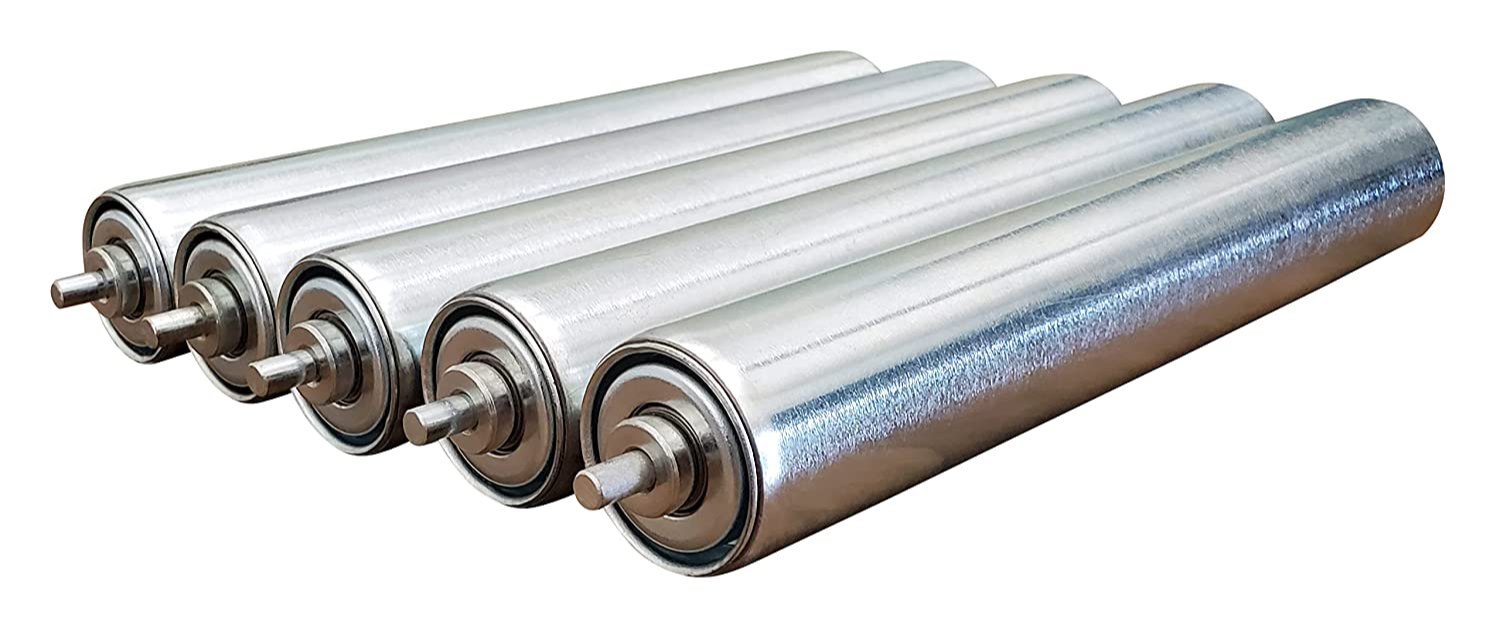
MSRL rollers are available in various sizes, diameters, and lengths to suit different industrial applications. They can be custom-designed based on load capacity, operating speed, and environmental conditions. End fittings such as shafts, bearings, and housings are selected as per application requirements. Rollers can be designed for horizontal or inclined conveying systems. Special designs are also available for corrosive or high-abrasion environments. Customization ensures easy integration with existing systems. Proper design improves efficiency. It also reduces maintenance issues.
These rollers are extensively used in chemical plants, fertilizer units, power plants, cement industries, and bulk material handling systems. The rubber lining provides resistance to acids, alkalis, moisture, and abrasive particles. This makes MSRL rollers suitable for aggressive service conditions. They are commonly used in belt conveyors, roller conveyors, and processing equipment. The rubber surface protects both the roller and the conveyed material. This reduces product damage. MSRL rollers help maintain smooth material flow. They contribute to uninterrupted plant operations.
One of the major advantages of MSRL rollers is their low maintenance requirement. The rubber lining prevents corrosion of the steel core, reducing frequent repairs and replacements. These rollers can operate for extended periods with minimal attention. In case of wear, re-rubber lining can be carried out to restore performance. This makes MSRL rollers a cost-effective solution. Reduced downtime improves plant productivity. Their durability lowers overall operating costs. This provides excellent return on investment.
Our Other Valuable Products
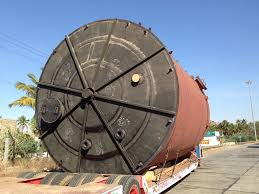
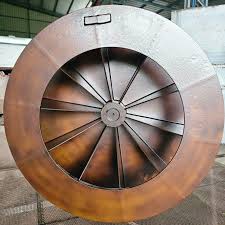
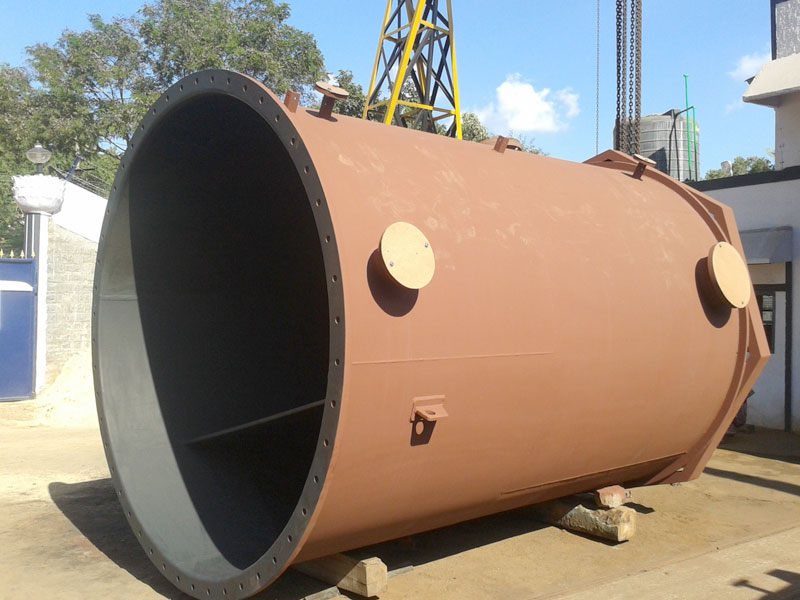
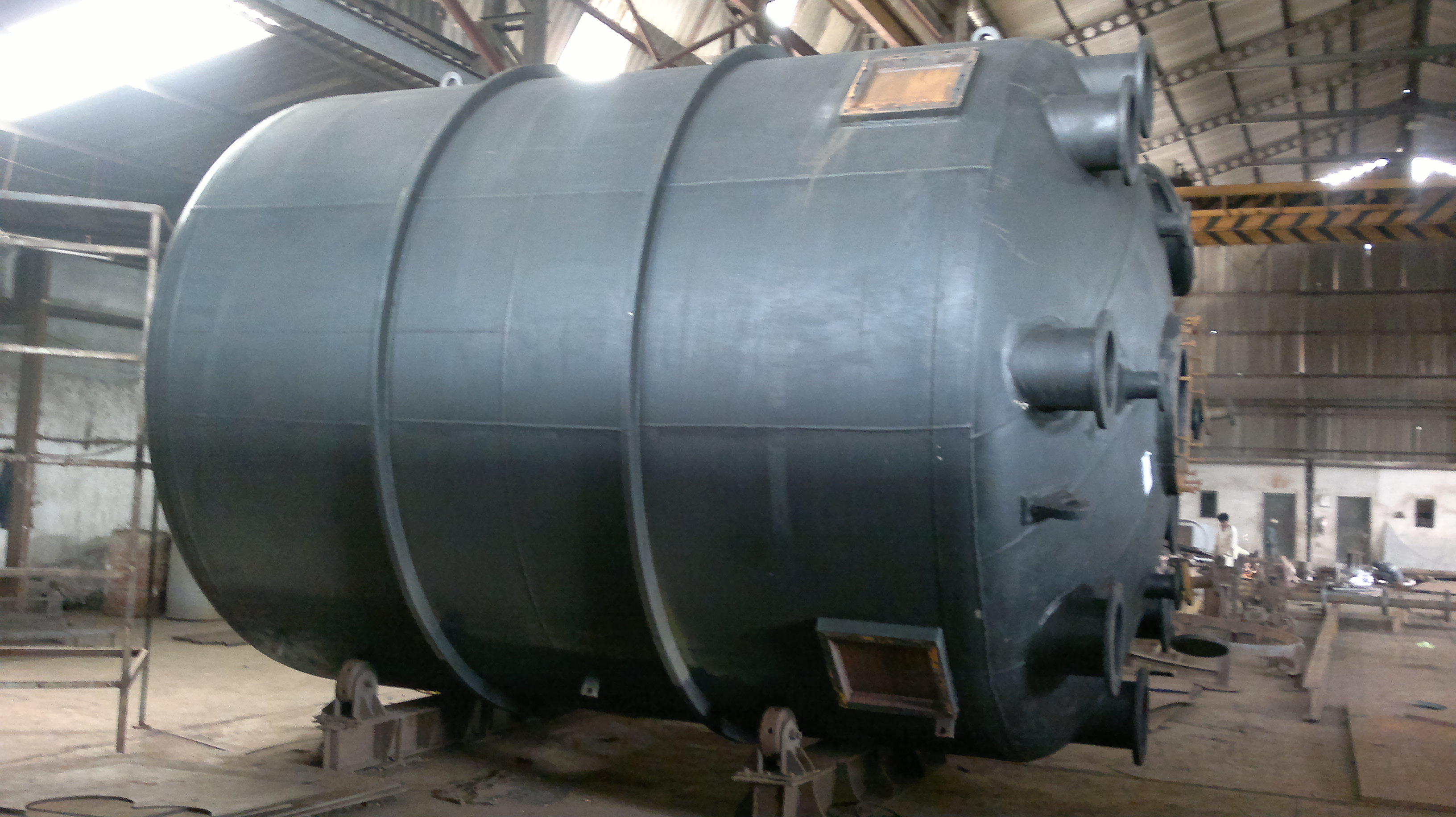
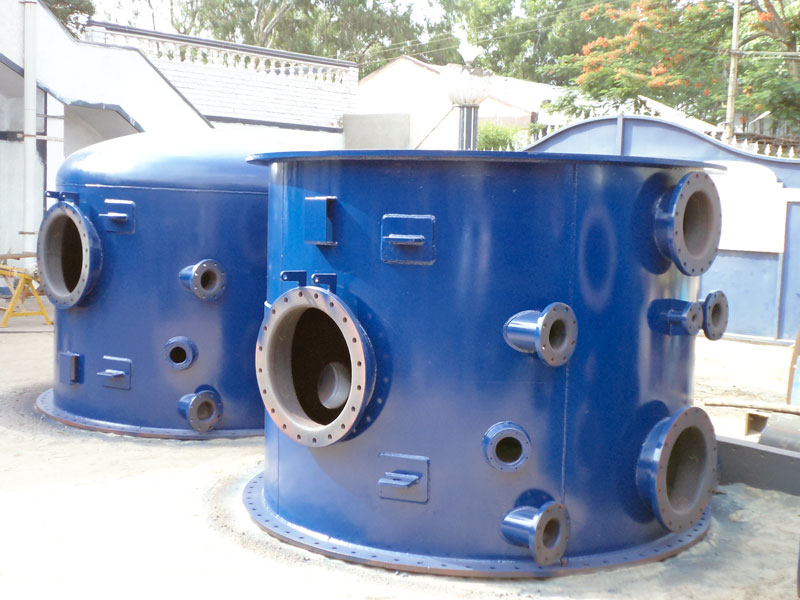
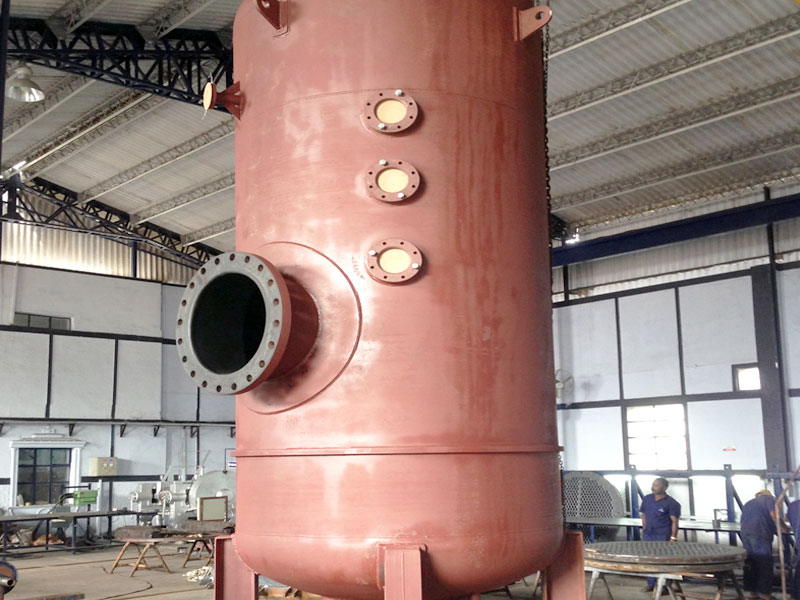


MSRL rollers are designed to withstand impact loads and continuous operational stress. The rubber lining distributes load evenly across the roller surface. This minimizes localized stress and premature failure. The steel core ensures structural rigidity under heavy loads. Rubber hardness is selected to balance flexibility and wear resistance. This allows the rollers to perform efficiently under varying conditions. MSRL rollers also accommodate slight misalignments. This enhances operational stability. Their robust construction ensures dependable performance.
Quality control is an essential part of MSRL roller manufacturing. Each roller undergoes inspection for dimensional accuracy, rubber adhesion, and surface finish. Bond strength tests ensure proper rubber-to-steel adhesion. Visual inspection checks for surface defects, air pockets, or irregularities. Rotational checks are performed to ensure smooth running. Proper testing ensures compliance with project specifications. Documentation is maintained for traceability. These checks guarantee consistent quality. Customers benefit from reliable products.
Specification of MSRL Rollers
| Parameter | Specification |
|---|---|
| Product Name | MSRL (Mild Steel Rubber Lined) Rollers |
| Core Material | Mild Steel / Carbon Steel (IS 2062 / ASTM A36) |
| Rubber Lining Type | Natural Rubber / Neoprene / EPDM (as per application) |
| Rubber Lining Thickness | 3 mm to 20 mm (Customizable) |
| Rubber Hardness | 45 – 70 Shore A |
| Roller Diameter | 50 mm to 800 mm |
| Roller Length | Up to 4000 mm |
| Shaft Material | Mild Steel / EN Series Steel |
| Bonding Method | Cold Bonding / Hot Vulcanization |
| Surface Finish | Smooth / Grooved / Lagged |
| Operating Temperature | -20°C to +90°C (Higher on request) |
| Load Capacity | Light, Medium, Heavy Duty (As per design) |
| Applications | Conveyors, Chemical Plants, Fertilizer Units, Material Handling |
| Corrosion Resistance | Excellent resistance to abrasion, moisture, acids, and alkalis |
| Inspection & Testing | Visual Inspection, Bond Strength Test, Dimensional Check |
| Standards Compliance | IS / ASTM / DIN / Client Specifications |
| Finish | External Painted / Primer Coated (where applicable) |
Chemical Composition of MSRL Rollers
| Element | Composition (%) | Purpose / Remarks |
|---|---|---|
| Carbon (C) | 0.15 – 0.25 | Provides strength while maintaining good machinability |
| Manganese (Mn) | 0.60 – 1.50 | Improves toughness and wear resistance |
| Silicon (Si) | 0.10 – 0.40 | Acts as a deoxidizer and enhances strength |
| Sulphur (S) | ≤ 0.05 | Controlled to avoid brittleness and cracking |
| Phosphorus (P) | ≤ 0.05 | Limited to maintain ductility and impact resistance |
| Iron (Fe) | Balance | Main structural element of roller core and shaft |
Mechanical Properties of MSRL Rollers
| Property | Value | Remarks |
|---|---|---|
| Tensile Strength | 410 – 550 MPa | Ensures strength under continuous load |
| Yield Strength | ≥ 250 MPa | Prevents permanent deformation |
| Elongation | ≥ 20% | Provides ductility for fabrication and service |
| Hardness (Steel Core) | 120 – 180 HB | Balanced hardness for machining and durability |
| Impact Resistance | Good at ambient temperature | Withstands shock and vibration |
| Modulus of Elasticity | 200 GPa | Ensures rigidity and dimensional stability |
| Fatigue Strength | Moderate to High | Suitable for continuous rotation |
| Rubber Lining Hardness | 45 – 70 Shore A | Absorbs impact and resists abrasion |
| Adhesion Strength (Rubber to Steel) | > 6 N/mm | Ensures long-term lining reliability |
| Abrasion Resistance | Excellent | Protects roller surface during operation |
From an economic standpoint, MSRL rollers offer significant advantages over unlined steel rollers. While the initial cost may be slightly higher, the extended service life justifies the investment. Reduced wear, corrosion resistance, and lower maintenance costs lead to long-term savings. MSRL rollers minimize conveyor downtime and operational interruptions. Their reusability through re-lining further improves cost efficiency. Industries benefit from improved equipment reliability. Operational efficiency is enhanced. This supports overall plant performance.
Pipe Testing Methods

Pipe Applications

We supply Pipes Worldwide.
Exporting Steel Pipes & Tubes to over 60 countries including Afghanistan, Albania, Andorra, Angloa, Austria, Australia, Bahrain, Bangladesh, Bhutan, Brazil, Brunei, Belarus, Belgium, Bulgaria, Cambodia, China, Cyprus, Croatia, Czech Republic, Canada, Denmark, Estonia, Egypt, Finland, France, Germany, Greece, Georgia, Hungary, Iceland, Ireland, Italy, Indonesia, Iran, Iraq, Israel, Japan, Jordan, Kazakhstan, Kuwait, Kyrgyzstan, Lebanon, Latvia, Latin America, Liechtenstein, Lithuania, Luxembourg, Malta, Madagascar, Mexico, Moldova, Monaco, Malaysia, Maldives, Mongolia, Myanmar (Burma), Nepal, New Zealand, North Korea, Netherlands, Norway, Nigeria, Oman, Poland, Portugal, Pakistan, Palestine, Philippines, Qatar, Russia, Romania, Russia, San Marino, Serbia and Montenegro, Slovakia, Slovenia, Spain, Sweden, Switzerland, Saudi Arabia, Singapore, South Korea, South Africa, Sri Lanka, Sudan, Syria, Taiwan, Tanzania, Tajikistan, Thailand, Turkey, Turkmenistan, Ukraine, United Kingdom, United Arab Emirates (UAE), Uzbekistan, Venezuela, Vietnam, Yemen, etc.