

MSRL (Mild Steel Rubber Lined) Manufacturer, Stockist & Exporter in Mumbai, India
Synergy Engineering Solution is a leading manufacturer, stockist, and worldwide exporter of MSRL (Mild Steel Rubber Lined) equipment, delivering reliable corrosion-resistant solutions for chemical processing, fertilizer plants, acid handling systems, water treatment facilities, and heavy industrial applications. Our premium-quality Mild Steel Rubber Lined equipment is designed to withstand highly corrosive chemicals while maintaining excellent structural strength, making it an economical and long-lasting alternative to expensive alloy equipment.
MSRL equipment combines the mechanical strength of mild steel with the exceptional chemical resistance of high-quality natural or synthetic rubber linings. This unique construction provides outstanding protection against aggressive acids, alkalis, salts, fertilizers, and other corrosive process media. The rubber lining acts as a protective barrier, preventing direct contact between the steel surface and corrosive chemicals, thereby significantly extending the service life of the equipment while reducing maintenance and replacement costs.
At Synergy Engineering Solution, every MSRL vessel, tank, reactor, saturator, and process equipment is manufactured using premium-grade mild steel and advanced rubber lining technology. Our experienced engineers carefully inspect every stage of fabrication, surface preparation, rubber lining application, vulcanization, spark testing, and final quality inspection to ensure maximum adhesion, leak-proof performance, and long-term operational reliability. We strictly follow international quality standards to deliver products that consistently meet customer expectations across various industrial sectors.
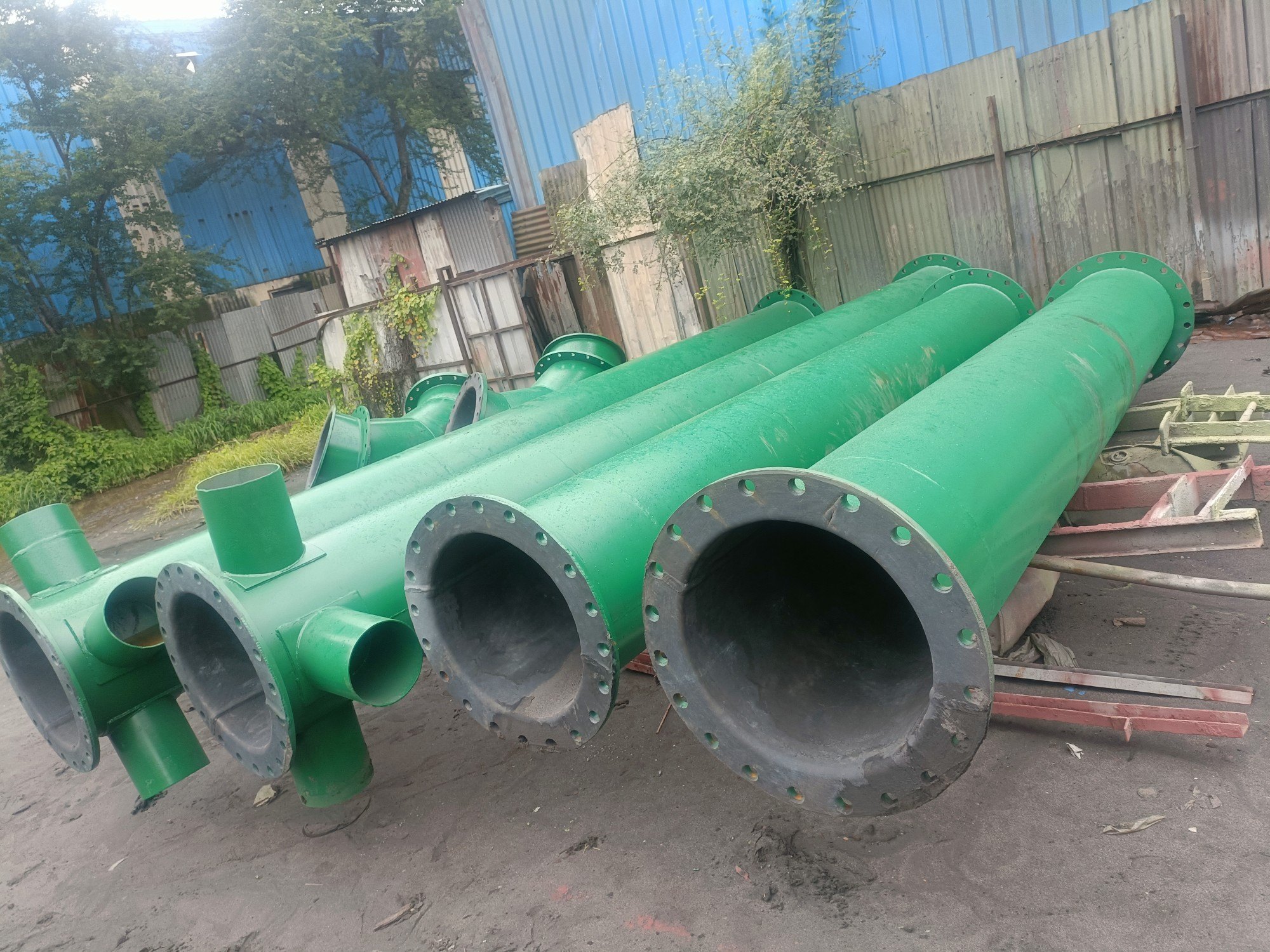
We also specialize in manufacturing MSRL Saturator Inside Rubber Lining and MSRL Saturator Outside Rubber Lining for demanding industrial applications. Our inside rubber lining provides superior protection against highly corrosive process chemicals, while the outside rubber lining offers additional protection against atmospheric corrosion, moisture, abrasion, and external environmental conditions. These rubber-lined saturators are widely used in fertilizer manufacturing plants, sulphuric acid processing, phosphate plants, chemical industries, and heavy process industries where equipment durability and corrosion resistance are critical.
As a trusted stockist, Synergy Engineering Solution maintains ready inventories of MSRL equipment and rubber-lined process components to support urgent maintenance shutdowns, expansion projects, and replacement requirements. Our efficient inventory management enables quick deliveries for both standard and customized orders, ensuring minimal downtime for industrial operations. Customers benefit from competitive pricing, dependable product availability, and prompt technical assistance from our experienced engineering team.
Being a globally recognized exporter, Synergy Engineering Solution supplies MSRL (Mild Steel Rubber Lined) equipment to customers across the Middle East, Asia, Africa, and Europe. Our major export destinations include the United Arab Emirates (UAE), Saudi Arabia, Qatar, Oman, Kuwait, Bahrain, Iraq, Jordan, Egypt, and other GCC countries where our rubber-lined equipment is widely used in fertilizer plants, chemical processing facilities, petrochemical industries, water treatment projects, and industrial manufacturing plants. Every export shipment is securely packed according to international shipping standards and supplied with complete documentation for smooth customs clearance and safe worldwide delivery.
With years of engineering expertise, advanced manufacturing infrastructure, stringent quality control, and a strong commitment to customer satisfaction, Synergy Engineering Solution has earned a reputation as one of India's most trusted manufacturers and exporters of MSRL equipment. Our focus on innovation, quality, timely delivery, and reliable after-sales support enables us to provide high-performance Mild Steel Rubber Lined solutions that deliver exceptional durability, safety, and long-term value for industrial applications worldwide.
Leading Manufacturer, Stockist & Worldwide Exporter of MSRL (Mild Steel Rubber Lined)
Synergy Engineering Solution is recognized as one of India's leading manufacturers, stockists, and worldwide exporters of premium-quality MSRL (Mild Steel Rubber Lined) equipment. Our comprehensive product range includes rubber-lined vessels, tanks, reactors, saturators, pipelines, columns, storage equipment, and customized process equipment designed to perform reliably in highly corrosive industrial environments. By combining modern fabrication technology with advanced rubber lining processes, we deliver products that offer exceptional corrosion resistance, mechanical strength, and long service life.
Our state-of-the-art manufacturing facility is equipped with advanced fabrication machinery, precision welding equipment, grit blasting systems, rubber lining facilities, vulcanization units, spark testing equipment, and comprehensive quality inspection instruments. Premium-grade mild steel and high-performance rubber compounds are carefully selected to manufacture products that consistently meet national and international quality standards. Every product undergoes rigorous quality control procedures to ensure superior workmanship, dimensional accuracy, and dependable field performance.
As a reliable stockist, we maintain sufficient inventories of standard MSRL equipment and raw materials to meet urgent customer requirements. Our experienced engineering team also provides customized design, fabrication, rubber lining, refurbishment, and repair services according to customer specifications and process requirements. Whether for new installations or replacement projects, we ensure fast production schedules and dependable delivery timelines.
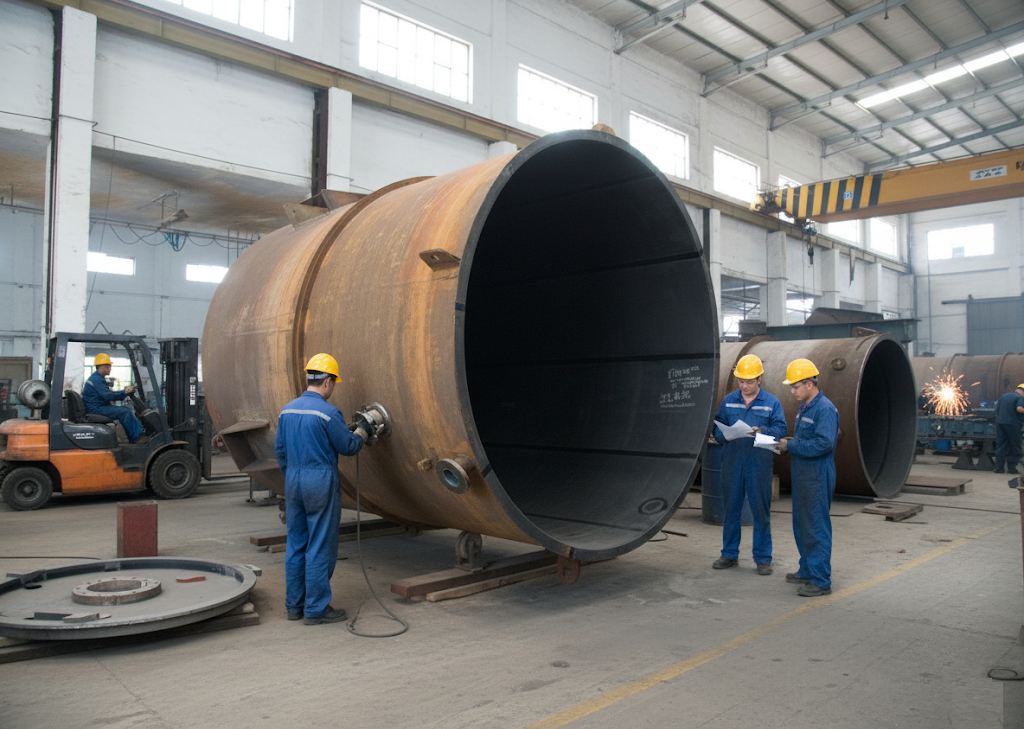
Our international export operations continue to expand across the Middle East, Africa, Asia, and Europe. Every shipment is professionally packed using export-grade packaging materials and supplied with complete export documentation including commercial invoices, packing lists, certificates of origin, inspection reports, and shipping documents. With premium manufacturing quality, competitive factory pricing, technical expertise, and efficient logistics, Synergy Engineering Solution continues to be the preferred global supplier of MSRL (Mild Steel Rubber Lined) equipment for industrial process applications.
Applications of MSRL (Mild Steel Rubber Lined)
MSRL (Mild Steel Rubber Lined) equipment is extensively used in industries where aggressive chemicals, corrosive liquids, acidic media, and abrasive materials are handled continuously. The combination of robust mild steel construction and premium-quality rubber lining offers excellent corrosion resistance while maintaining superior mechanical strength. This makes MSRL equipment a cost-effective and durable solution for industries that require reliable process equipment capable of operating under harsh conditions.
Synergy Engineering Solution manufactures premium-quality MSRL equipment suitable for chemical plants, fertilizer manufacturing units, phosphoric acid plants, sulphuric acid plants, chlor-alkali industries, water treatment facilities, mining operations, power plants, food processing industries, and pharmaceutical manufacturing units. Our specially designed MSRL Saturator Inside Rubber Lining protects internal surfaces from highly corrosive chemicals, while MSRL Saturator Outside Rubber Lining safeguards external surfaces from moisture, weather, and atmospheric corrosion, ensuring maximum equipment life.
- Chemical Processing Plants
- Fertilizer Manufacturing Units
- Sulphuric Acid Plants
- Phosphoric Acid Plants
- Hydrochloric Acid Handling Systems
- Water Treatment Plants
- Effluent Treatment Plants (ETP)
- Sewage Treatment Plants (STP)
- Petrochemical Industries
- Oil & Gas Processing Plants
- Mining & Mineral Processing
- Steel Manufacturing Plants
- Power Generation Plants
- Pulp & Paper Industry
- Food Processing Plants
- Sugar Industries
- Pharmaceutical Industries
- Dye & Pigment Manufacturing
- Textile Processing Plants
- Marine & Offshore Applications
- Industrial Storage Tanks
- Acid Storage Systems
- Corrosive Chemical Transportation
- Custom Industrial Process Equipment
Features of MSRL (Mild Steel Rubber Lined)
Synergy Engineering Solution manufactures MSRL equipment using premium-grade mild steel and high-performance natural or synthetic rubber linings to achieve exceptional corrosion protection and long-term operational reliability. Every product is manufactured under strict quality supervision to ensure excellent rubber bonding, dimensional accuracy, and mechanical integrity. Our advanced rubber lining technology significantly enhances equipment life while minimizing maintenance costs in corrosive industrial environments.
- Premium Grade Mild Steel Construction
- High-Quality Natural & Synthetic Rubber Lining
- Excellent Corrosion Resistance
- Superior Acid Resistance
- Outstanding Alkali Resistance
- High Abrasion Resistance
- Excellent Mechanical Strength
- Leak-Proof Rubber Bonding
- Spark Tested Rubber Lining
- Long Operational Life
- Low Maintenance Requirements
- Smooth Internal Surface Finish
- Excellent Adhesion Strength
- Resistant to Chemical Attack
- Suitable for High Humidity Environments
- Heavy Duty Industrial Construction
- Available in Custom Sizes
- Economical Alternative to Alloy Equipment
- Reliable Long-Term Performance
- Manufactured to International Quality Standards
Advantages of MSRL (Mild Steel Rubber Lined)
MSRL equipment provides an ideal balance between structural strength and chemical resistance. Unlike expensive stainless steel or exotic alloy equipment, Mild Steel Rubber Lined equipment offers outstanding corrosion protection at a significantly lower investment cost. The rubber lining isolates aggressive chemicals from the steel substrate, preventing corrosion while extending equipment life even in highly acidic environments.
MSRL Saturator Inside Rubber Lining offers complete internal protection against sulphuric acid, phosphoric acid, hydrochloric acid, fertilizers, and aggressive chemicals, while MSRL Saturator Outside Rubber Lining protects the external surface against atmospheric moisture, environmental corrosion, and mechanical damage. This dual protection significantly improves operational safety, minimizes maintenance, and increases plant reliability.
- Excellent Chemical Resistance
- Superior Corrosion Protection
- Outstanding Abrasion Resistance
- Long Service Life
- Reduced Maintenance Costs
- Lower Capital Investment
- Excellent Structural Strength
- Leak-Proof Performance
- Improved Equipment Safety
- Suitable for Highly Corrosive Media
- Cost-Effective Industrial Solution
- Easy Inspection & Maintenance
- Excellent Rubber Adhesion
- Custom Engineering Solutions
- Reliable Performance Under Harsh Conditions
Manufacturing Process of MSRL (Mild Steel Rubber Lined)
At Synergy Engineering Solution, every MSRL (Mild Steel Rubber Lined) product is manufactured using advanced fabrication technology, precision engineering, and internationally accepted rubber lining practices. The process begins with selecting premium-grade mild steel plates, followed by precision cutting, rolling, welding, dimensional inspection, and surface preparation through grit blasting. The prepared steel surface is thoroughly cleaned to achieve optimum adhesion between the steel substrate and the rubber lining.
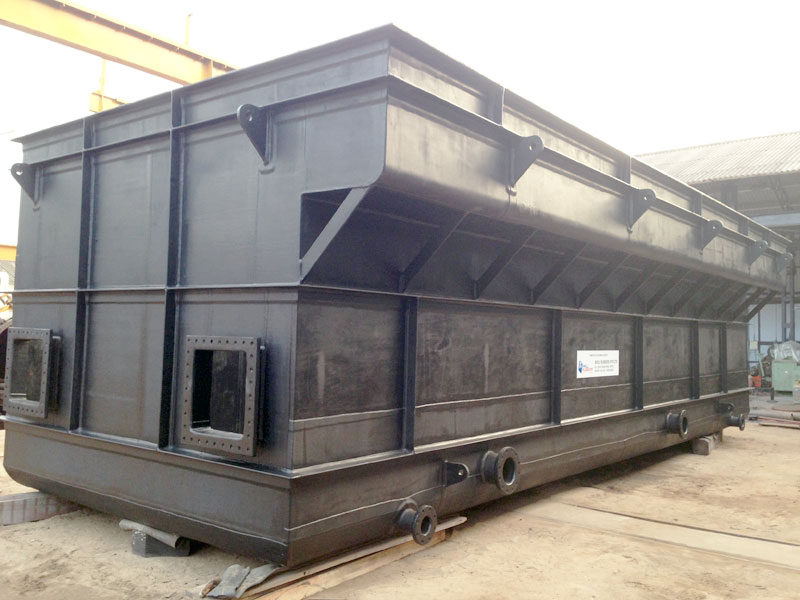
High-quality rubber sheets are carefully applied using specialized bonding agents and expert workmanship to ensure uniform thickness and complete surface coverage. After lining, the equipment undergoes controlled vulcanization to achieve maximum bonding strength and long-term durability. Every finished product is subjected to spark testing, visual inspection, adhesion testing, dimensional verification, and comprehensive quality checks before dispatch to customers worldwide.
Why Choose Synergy Engineering Solution?
Synergy Engineering Solution has established itself as one of India's most trusted manufacturers, stockists, and worldwide exporters of MSRL (Mild Steel Rubber Lined) equipment. With years of engineering experience, advanced manufacturing capabilities, stringent quality assurance, and customer-focused solutions, we provide high-performance rubber-lined process equipment that consistently exceeds industrial expectations. Our commitment to quality, competitive pricing, and reliable export services has earned the trust of customers across the Middle East, Asia, Africa, and Europe.
- Leading Manufacturer of MSRL Equipment
- Trusted Stockist with Ready Inventory
- Worldwide Export Capability
- Strong Presence in Middle East Markets
- Advanced Rubber Lining Technology
- Premium Grade Raw Materials
- Experienced Engineering Team
- Custom Fabrication Services
- International Quality Standards
- Strict Quality Control Procedures
- Competitive Factory Pricing
- Timely Delivery Worldwide
- Complete Export Documentation
- Technical Support & After-Sales Service
- Reliable Industrial Solutions
Advantages of MSRL Equipment
- High resistance to corrosion and chemicals
- Cost-effective alternative to stainless steel
- Long operational life (10–20+ years)
- Low maintenance requirements
- High mechanical strength
- Customizable design as per industry needs
Global Export Market – Focus on Middle East
The demand for MSRL systems is rapidly growing in the Middle East due to expansion in oil, gas, fertilizer, and chemical industries.
Synergy Engineering Solution exports MSRL products to:
- United Arab Emirates (UAE)
- Saudi Arabia
- Qatar
- Oman
- Kuwait
These regions require high-performance corrosion-resistant equipment due to harsh environmental conditions and large-scale industrial infrastructure projects.
Manufacturing Excellence
At Synergy Engineering Solution, every MSRL product is manufactured using strict quality control standards to ensure durability and export compliance.
Manufacturing Process:
- Material inspection of mild steel
- Surface blasting and cleaning
- Rubber sheet application
- Bonding & adhesive treatment
- Vulcanization process
- Final inspection & testing
Applications of MSRL Systems
- Chemical storage tanks
- Industrial saturators
- Reactor vessels
- Gas treatment systems
- Slurry handling equipment
- Water treatment plants
Why Choose Synergy Engineering Solution?
Synergy Engineering Solution is a leading manufacturer, stockist, and exporter of MSRL systems in India with a strong international presence.
- High-quality manufacturing standards
- Export-focused engineering solutions
- Strong Middle East supply network
- Custom-designed MSRL systems
- Reliable after-sales support
AEO FAQ (Answer Engine Optimization)
What is MSRL (Mild Steel Rubber Lined)?
MSRL is mild steel coated with rubber lining for corrosion resistance and chemical protection.
What is MSRL Saturator Inside Rubber Lining?
It is an internal protective lining used inside industrial saturators for chemical resistance.
What is MSRL Saturator Outside Rubber Lining?
It protects external surfaces of industrial equipment from environmental corrosion.
Does Synergy Engineering Solution export MSRL products?
Yes, Synergy Engineering Solution exports MSRL systems globally, especially to the Middle East.