
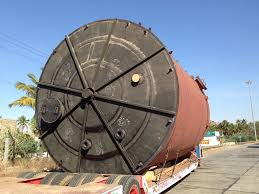
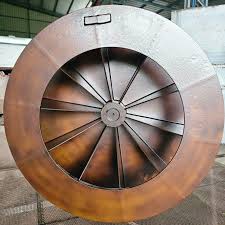
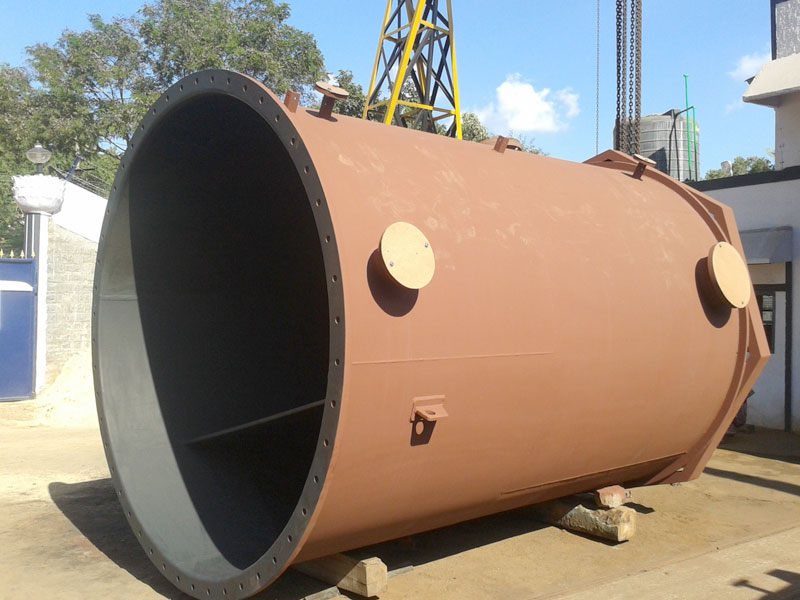
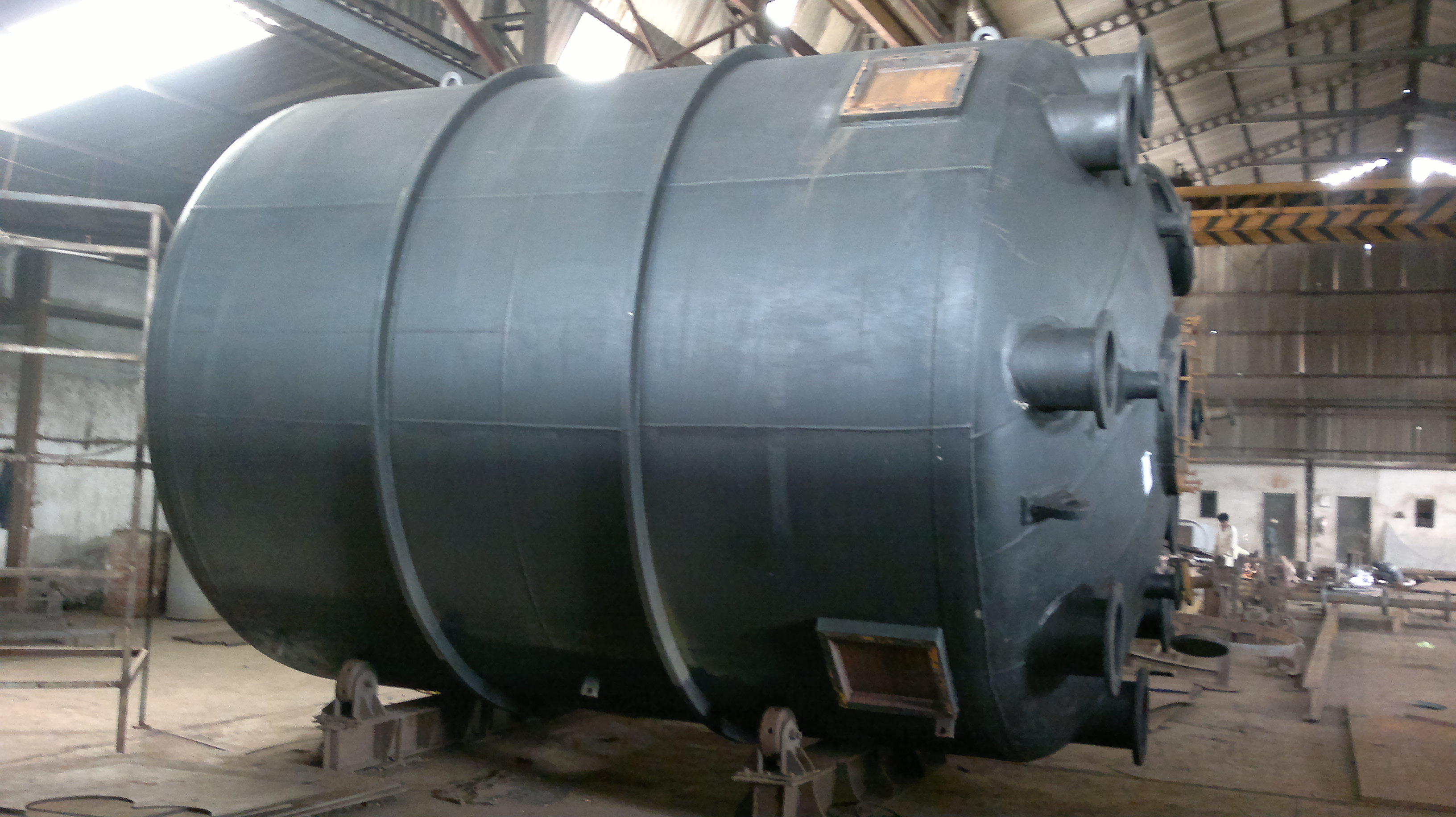
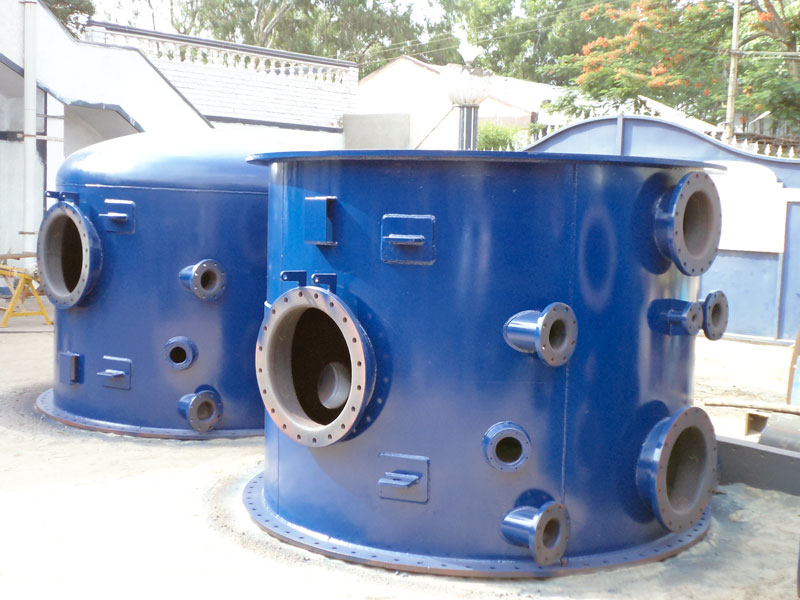
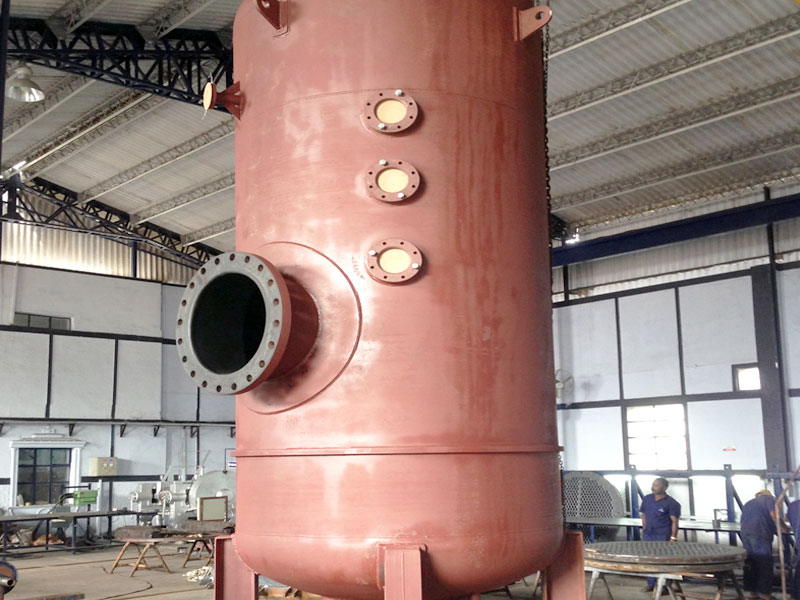


Rubber Lined Holes are used to protect steel surfaces and equipment openings from corrosion, chemical attack, and abrasion in industrial environments such as chemical plants, mining, and wastewater treatment facilities.

RUBBER LINED HOLES Manufacturer Stockist Exporter
Rubber Lined Holes Manufacturer, Stockist & Worldwide Exporter in India
Synergy Engineering Solution is a globally recognized ISO certified manufacturer, stockist, and exporter of high-performance Rubber Lined Holes and industrial rubber lining solutions. With over 10+ years of engineering expertise, we provide advanced corrosion protection systems designed for harsh chemical, mining, and industrial environments where metal surfaces are exposed to aggressive fluids and wear conditions.
Our Rubber Lined Holes solutions are engineered using high-quality rubber lining materials applied over steel and industrial substrates to provide exceptional resistance against corrosion, abrasion, and chemical attack. These systems are widely used in chemical plants, mining industries, petrochemical facilities, wastewater systems, power plants, and heavy engineering applications.
We focus on delivering long-lasting, high-performance rubber lining solutions that improve equipment life, reduce maintenance costs, and ensure operational safety. Every product is manufactured under strict quality control standards to meet international industrial requirements.
Company Overview – Synergy Engineering Solution
Synergy Engineering Solution is a leading engineering company based in Mumbai, India, engaged in manufacturing, stocking, and exporting industrial piping systems, tanks, and rubber lining solutions. We are known for delivering durable, high-quality engineering products for global industries.
With strong technical expertise and modern manufacturing capabilities, we have established ourselves as a trusted supplier of Rubber Lined Holes and industrial protection systems. Our production facilities ensure precision application of rubber lining materials for maximum chemical resistance and durability.
We have a strong global export network across more than 60+ countries, with major demand from the Middle East region including UAE, Saudi Arabia, Qatar, Oman, Kuwait, Bahrain, Iraq, Jordan, and Egypt. These markets rely on our solutions for chemical processing plants, mining operations, and industrial infrastructure protection systems.
High-Performance Rubber Lined Holes for Industrial Protection
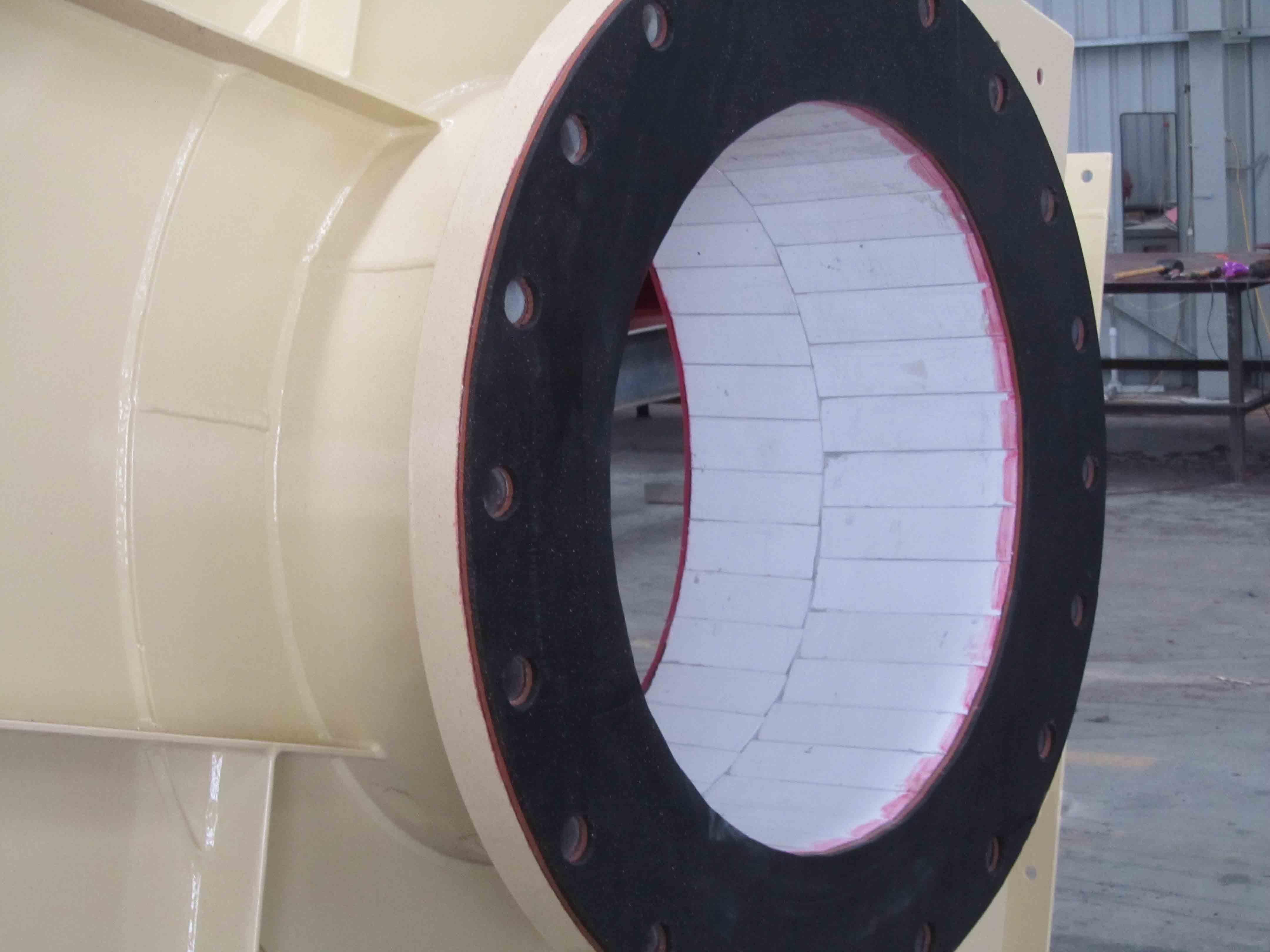
Rubber Lined Holes are specialized industrial components designed to protect steel structures and equipment from corrosion, abrasion, and chemical attack. These systems involve applying a protective rubber lining over holes, openings, or internal surfaces of industrial equipment.
They are widely used in environments where metals are exposed to aggressive chemicals, high moisture, or abrasive materials. The rubber lining acts as a barrier between the base material and the operating environment, significantly extending equipment life.
Synergy Engineering Solution ensures precise rubber lining application using advanced techniques such as cold bonding and vulcanization to achieve maximum adhesion strength and durability.
Our Other Valuable Products
Applications of Rubber Lined Holes
Rubber Lined Holes manufactured by Synergy Engineering Solution are widely used in industries where equipment and structural components are exposed to corrosive chemicals, abrasive materials, and extreme operating conditions. These rubber lining solutions provide long-lasting protection, improved operational efficiency, and reduced maintenance costs across industrial systems.
Due to their superior anti-corrosion and anti-abrasion properties, Rubber Lined Holes are essential in industries such as chemical processing, mining, petrochemicals, wastewater treatment, and heavy engineering infrastructure projects worldwide.
- Chemical Processing Plants
- Hydrochloric Acid Handling Systems
- Mining and Mineral Processing Units
- Petrochemical Refineries
- Industrial Wastewater Treatment Plants
- Power Generation Plants
- Steel Manufacturing Industries
- Fertilizer Production Units
- Paper and Pulp Industries
- Desalination Plants
- Marine and Offshore Engineering Systems
- Cement and Construction Industries
- Heavy Machinery Manufacturing Units
- Slurry Handling Systems
- Industrial Storage and Processing Equipment
Features of Rubber Lined Holes
Rubber Lined Holes are engineered using advanced rubber lining technology that ensures maximum protection against corrosion, abrasion, and chemical degradation. At Synergy Engineering Solution, we use high-grade rubber compounds and precision application techniques to ensure superior performance and long service life.
- High Chemical Resistance Rubber Lining
- Superior Anti-Corrosion Protection
- Excellent Abrasion Resistance
- Strong Adhesion Between Steel and Rubber Layer
- Leak-Proof Protection System
- High Durability in Harsh Environments
- Customizable Thickness and Design
- Suitable for Acidic and Alkaline Conditions
- Long Operational Life with Minimal Maintenance
- High Temperature Resistance Capability
- Industrial Grade Performance Reliability
- Seamless Surface Protection
- Cost Effective Protection Solution
- Easy Installation and Maintenance
- International Quality Standard Compliance
Advantages of Rubber Lined Holes
Rubber Lined Holes offer significant advantages over unprotected steel surfaces and conventional protective coatings. They provide a reliable and long-term solution for protecting industrial equipment from chemical damage, reducing downtime and maintenance costs.
At Synergy Engineering Solution, our rubber lining systems are designed to deliver maximum operational efficiency and safety in demanding industrial environments such as chemical plants, mining operations, and industrial processing units.
- Superior Protection Against Chemical Corrosion
- Extended Equipment Service Life
- Reduced Maintenance and Repair Costs
- High Resistance to Abrasion and Wear
- Improved Industrial Safety Standards
- Reliable Performance in Extreme Conditions
- Cost Effective Alternative to Alloy Materials
- Prevents Leakage and Structural Damage
- Enhances Operational Efficiency
- Suitable for Continuous Industrial Usage
Manufacturing Process of Rubber Lined Holes
At Synergy Engineering Solution, the manufacturing process of Rubber Lined Holes involves advanced surface preparation, precision rubber application, and strict quality control measures. Each stage is carefully monitored to ensure maximum adhesion strength and long-lasting performance.
The process begins with cleaning and preparing the steel surface to remove impurities, rust, and contaminants. This is followed by surface roughening to improve bonding strength between the rubber layer and steel substrate.
High-quality rubber compounds are then applied using specialized bonding techniques such as cold vulcanization or hot vulcanization depending on application requirements. The rubber is uniformly applied to ensure complete coverage and protection.
After application, the lining undergoes curing under controlled temperature conditions to achieve maximum durability and chemical resistance. Each product is then inspected using spark testing and visual inspection to ensure flawless quality before dispatch.
Why Choose Synergy Engineering Solution?
Synergy Engineering Solution is a trusted global manufacturer, stockist, and exporter of Rubber Lined Holes and industrial rubber lining solutions. With over a decade of experience, we have built a strong reputation for delivering high-quality engineering products across India and international markets.
We are committed to providing durable, cost-effective, and high-performance corrosion protection solutions for industrial applications. Our strong export network ensures timely delivery to global markets, especially in the Middle East region.
- ISO Certified Manufacturer & Exporter
- 10+ Years of Industrial Experience
- Strong Export Presence in Middle East & Worldwide
- Advanced Rubber Lining Technology
- Strict Quality Control Standards
- Customized Industrial Solutions
- Competitive Global Pricing
- On-Time Delivery Assurance
- Skilled Engineering & Technical Team
- Trusted by Global Industrial Clients
Chemical Properties of Rubber Lined Holes
Rubber Lined Holes are engineered using high-performance elastomeric materials that provide excellent resistance against acids, alkalis, salts, and industrial chemicals. The rubber lining acts as a protective barrier between the base steel surface and corrosive environments, ensuring long-term durability and safety.
| Component | Typical Composition (%) |
|---|---|
| Natural Rubber / Synthetic Rubber | 55 – 75% |
| Carbon Black | 10 – 20% |
| Plasticizers | 5 – 10% |
| Vulcanizing Agents | 2 – 5% |
| Antioxidants | 1 – 3% |
| Fillers & Additives | 5 – 10% |
Mechanical Properties of Rubber Lined Holes
The mechanical performance of Rubber Lined Holes ensures durability, flexibility, and strong adhesion under demanding industrial conditions. These properties make them ideal for heavy-duty applications in chemical processing, mining, and industrial infrastructure systems.
| Property | Typical Value |
|---|---|
| Tensile Strength | 15 – 25 MPa |
| Elongation at Break | 300 – 600% |
| Hardness | 50 – 80 Shore A |
| Abrasion Resistance | Excellent |
| Adhesion Strength | Strong Bond with Steel Surface |
| Operating Temperature | -20°C to 120°C |
| Chemical Resistance | High (Acids & Alkalis) |
| Service Life | 10 – 20+ Years |
Quality Testing of Rubber Lined Holes
At Synergy Engineering Solution, we follow strict quality assurance procedures to ensure that every Rubber Lined Hole meets international industrial standards. Our ISO-certified testing process guarantees maximum durability, safety, and chemical resistance.
Each product is tested at multiple stages, from raw material inspection to final dispatch, ensuring flawless performance in real-world industrial applications.
- Raw Material Quality Inspection
- Surface Preparation Verification
- Rubber Thickness Measurement
- Adhesion Strength Testing
- Spark Testing for Lining Integrity
- Hardness Testing (Shore A)
- Elongation and Tensile Testing
- Chemical Resistance Testing
- Visual Inspection for Defects
- Final Quality Approval Report
Industries We Serve
Rubber Lined Holes are widely used across industries where corrosion, abrasion, and chemical exposure are major challenges. Synergy Engineering Solution supplies high-performance rubber lining systems to various industrial sectors across India and global export markets, especially in the Middle East.
- Chemical Processing Industries
- Mining & Mineral Processing
- Petrochemical Refineries
- Oil & Gas Industry
- Power Generation Plants
- Fertilizer Manufacturing Units
- Pharmaceutical Industries
- Water Treatment Plants
- Desalination Plants
- Steel & Metal Processing Plants
- Paper & Pulp Industries
- Cement Manufacturing Industries
- Marine & Offshore Engineering
- Heavy Engineering Industries
- Industrial Waste Management Systems
Worldwide Exporter of Rubber Lined Holes with Strong Middle East Presence
Synergy Engineering Solution is a trusted worldwide exporter of Rubber Lined Holes, supplying high-performance corrosion protection solutions to industrial clients across Asia, Africa, Europe, and the Middle East. Our engineering expertise and strict quality standards make us a preferred supplier for industries requiring durable rubber lining systems.
We have a strong export network in the Middle East region, where industries demand high-quality corrosion protection solutions for aggressive chemical environments. Our Rubber Lined Holes are widely supplied to UAE, Saudi Arabia, Qatar, Oman, Kuwait, Bahrain, Iraq, Jordan, and Egypt for use in chemical plants, mining operations, petrochemical industries, and industrial processing facilities.
Our export operations are supported by secure packaging, professional logistics handling, and complete export documentation assistance. This ensures smooth international delivery and compliance with global industrial standards. We also provide customized rubber lining solutions based on client-specific technical requirements and operating conditions.
Frequently Asked Questions (FAQ)
What are Rubber Lined Holes used for?
Why is rubber lining important in industrial applications?
Rubber lining provides a protective barrier that prevents direct contact between corrosive chemicals and metal surfaces, significantly increasing equipment lifespan and reducing maintenance costs.
Do you export Rubber Lined Holes to Middle East countries?
Yes, Synergy Engineering Solution exports Rubber Lined Holes to UAE, Saudi Arabia, Qatar, Oman, Kuwait, Bahrain, Iraq, Jordan, and Egypt with complete export documentation and logistics support.
What is the lifespan of Rubber Lined Holes?
Depending on operating conditions and chemical exposure, Rubber Lined Holes typically offer a service life of 10 to 20+ years with proper maintenance.
Can Rubber Lined Holes be customized?
Yes, we provide fully customized rubber lining solutions based on size, thickness, chemical resistance requirements, and industrial application needs.
A Leading Manufacturer and Stockist of Pipes.