

Rubber Expansion Joints/Bellows
We are manufacturers, stockist and exporters of Rubber Expansion Joints/Bellows in Mumbai.
Rubber Expansion Joints / Bellows are flexible pipeline components designed to absorb movement, vibration, and stress generated in piping systems due to thermal expansion, pressure fluctuations, or mechanical loads. They act as protective elements that prevent damage to connected equipment such as pumps, compressors, valves, and piping assemblies. Manufactured from high-quality elastomers, these joints provide excellent flexibility while maintaining structural integrity under demanding operating conditions. Their use significantly reduces system fatigue, noise transmission, and maintenance requirements across industries.
These expansion joints are widely used to compensate for axial, lateral, and angular movements that occur naturally in pipelines during operation. Rubber bellows allow smooth movement without transferring excessive forces to rigid components, ensuring long-term system stability. They are particularly effective in applications where metal expansion joints may fail due to corrosion or vibration. The elastic nature of rubber enables efficient shock absorption, making these joints ideal for vibration isolation and noise control in dynamic systems.
Rubber Expansion Joints / Bellows are available in various elastomer grades such as EPDM, Neoprene, Nitrile, and Natural Rubber to suit different media and temperature ranges. EPDM joints are commonly used for water, steam, and mild chemicals, while Neoprene offers excellent resistance to weathering and oils. Nitrile rubber is preferred for oil and fuel handling systems. This wide material selection allows compatibility with diverse industrial fluids, gases, and environmental conditions.
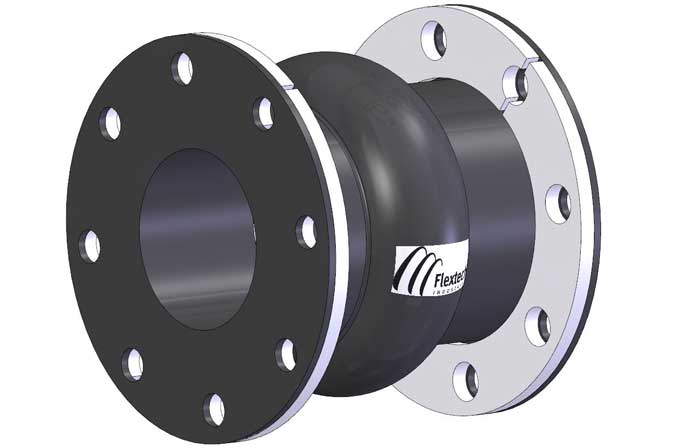
The design of rubber bellows typically includes single or multiple arches, reinforced with synthetic fabric or steel rings for added strength. Reinforcement enhances pressure resistance and prevents deformation under vacuum or high internal pressure. These joints are engineered to handle repeated movement cycles without cracking or losing elasticity. Flanged, threaded, and custom end connections are available to ensure easy installation and secure integration into existing pipeline systems.
Rubber Expansion Joints play a crucial role in extending the service life of pipelines and mechanical equipment. By reducing stress concentration and absorbing mechanical shocks, they minimize the risk of leaks, flange failures, and structural damage. Their corrosion-resistant properties make them suitable for aggressive environments such as chemical plants, power stations, wastewater treatment facilities, and marine installations. Additionally, their lightweight construction simplifies handling and installation compared to metal alternatives.
These bellows are extensively used in industries such as chemical processing, HVAC, water supply, power generation, mining, and cement plants. They are ideal for applications involving pumps, chillers, cooling towers, and ducting systems. With proper selection and installation, Rubber Expansion Joints / Bellows provide reliable performance, improved safety, and reduced downtime. Their cost-effectiveness and versatility make them an essential component in modern industrial piping systems.
EXPANSION JOINTS
Expansion Joints are critical components used in piping and ducting systems to absorb movement caused by thermal expansion, contraction, vibration, and mechanical stress. As operating temperatures and pressures change, pipelines naturally expand and contract, which can create excessive stress on rigid connections. Expansion joints provide controlled flexibility, protecting equipment such as pumps, heat exchangers, and compressors from damage. Their use helps maintain system integrity and ensures smooth, uninterrupted operation in industrial environments.
These joints are designed to accommodate different types of movement, including axial, lateral, angular, and torsional displacement. By allowing pipelines to move without transferring harmful forces, expansion joints reduce the risk of cracking, flange leakage, and structural failure. They also play an important role in vibration isolation, minimizing noise transmission and mechanical shock. This makes them essential in systems where dynamic loads and continuous operation are involved.
Expansion joints are manufactured in various materials such as rubber, metal, fabric, and composite constructions to suit specific application requirements. Rubber expansion joints are ideal for vibration damping and corrosion resistance, while metal expansion joints are preferred for high-temperature and high-pressure services. Fabric expansion joints are commonly used in flue gas and air ducting systems. The choice of material depends on operating conditions, media compatibility, pressure rating, and temperature range.
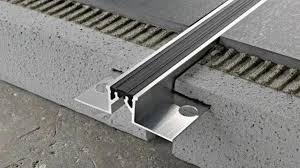
The construction of expansion joints often includes reinforced layers, bellows, arches, or corrugated elements that enhance flexibility and strength. Reinforcements using fabric, wire, or metal rings improve pressure resistance and prevent deformation under vacuum or cyclic loading. End connections such as flanged, welded, or threaded designs allow easy installation and secure integration into existing systems. Proper design ensures long service life even under repeated movement cycles.
Expansion joints significantly improve the reliability and safety of industrial systems by reducing stress concentration and compensating for installation misalignment. They help extend the service life of pipelines and connected equipment, lowering maintenance costs and unplanned downtime. Their ability to absorb mechanical stress makes them suitable for harsh environments, including chemical plants, power stations, refineries, and wastewater treatment facilities. Additionally, corrosion-resistant designs ensure long-term performance in aggressive operating conditions.
These joints are widely used in industries such as power generation, chemical processing, oil and gas, cement, steel, HVAC, and marine applications. Common installations include pump suction and discharge lines, heat exchanger connections, boiler systems, and large ducting networks. When correctly selected and installed, expansion joints deliver efficient movement control, enhanced operational safety, and improved system efficiency. Their versatility makes them an indispensable part of modern industrial piping and duct systems.
EXPANSION JOINTS 1
Expansion Joints 1 are specially engineered components designed to absorb thermal expansion, vibration, and mechanical movement in piping and ducting systems. During operation, pipelines are exposed to temperature variations and pressure changes that cause expansion and contraction. Without proper flexibility, these movements can lead to excessive stress, cracks, or failure of connected equipment. Expansion Joints 1 provide controlled movement absorption, ensuring safe and reliable system performance across various industrial applications.
These expansion joints are capable of accommodating axial, lateral, and angular movements that occur in rigid pipeline installations. By allowing movement in multiple directions, they prevent the transfer of unwanted forces to pumps, valves, heat exchangers, and structural supports. Expansion Joints 1 also help correct minor installation misalignments, reducing the risk of leakage at flanged connections. Their flexibility significantly improves system durability and operational efficiency.
Expansion Joints 1 are manufactured using high-quality materials such as rubber, metal, or composite constructions, depending on application requirements. Rubber-based joints offer excellent vibration damping and corrosion resistance, while metal expansion joints are suitable for high-temperature and high-pressure conditions. Composite designs provide lightweight solutions for ducting and flue gas systems. The selection of material ensures compatibility with fluids, gases, and environmental conditions.
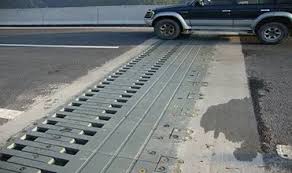
The construction of Expansion Joints 1 typically includes reinforced bellows or corrugated elements that enhance strength and flexibility. Reinforcements using synthetic fabric, wire, or metal rings improve pressure handling capability and prevent deformation under vacuum conditions. Various end connections such as flanged, welded, or threaded types are available for easy installation. These joints are designed to withstand repeated movement cycles without loss of performance.
Expansion Joints 1 play a vital role in protecting pipelines and mechanical equipment from fatigue and premature wear. By absorbing shock loads and reducing vibration transmission, they help minimize noise and mechanical stress. Their use leads to reduced maintenance requirements, lower downtime, and extended service life of industrial systems. They are particularly effective in harsh environments where corrosion and continuous movement are major concerns.
These expansion joints are widely used in industries such as power generation, chemical processing, oil and gas, cement, steel plants, HVAC systems, and water treatment facilities. Typical applications include pump connections, boiler lines, heat exchangers, cooling water pipelines, and large ducting networks. When properly selected and installed, Expansion Joints 1 ensure long-term reliability, improved safety, and efficient operation of industrial piping systems.
EXPANSION JOINTS 2
Expansion Joints 2 are advanced flexible connectors designed to manage thermal expansion, vibration, and dynamic movement in complex piping and ducting systems. Industrial pipelines experience constant stress due to temperature variations, pressure surges, and operational loads. Expansion Joints 2 absorb these movements efficiently, preventing damage to rigid components and ensuring smooth system operation. Their use enhances reliability, safety, and long-term performance in demanding industrial environments.
These expansion joints are engineered to accommodate axial, lateral, angular, and combined movements without transmitting excessive forces to connected equipment. By reducing mechanical stress, Expansion Joints 2 protect pumps, compressors, heat exchangers, and structural supports from premature failure. They also help in correcting alignment errors during installation, minimizing the risk of flange leakage and joint fatigue. This flexibility makes them ideal for systems with frequent start-stop cycles or fluctuating operating conditions.
Expansion Joints 2 are manufactured from carefully selected materials such as elastomers, stainless steel, and high-strength composite fabrics. Rubber-based expansion joints provide excellent vibration isolation and corrosion resistance, while metal expansion joints are suitable for high-temperature and high-pressure services. Fabric expansion joints are commonly used in gas handling and ducting applications. Each material option is chosen to ensure compatibility with process media, temperature limits, and environmental exposure.
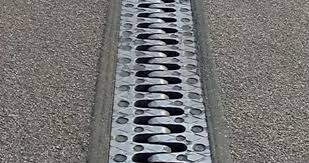
The construction of Expansion Joints 2 includes precision-engineered bellows or arches reinforced with fabric layers, wire, or metal rings. These reinforcements improve pressure resistance and prevent deformation under vacuum or cyclic loading conditions. Multiple connection options such as flanged, welded, or threaded ends allow easy integration into existing pipeline systems. Robust design ensures consistent performance even under continuous movement and harsh operating environments.
Expansion Joints 2 contribute significantly to extending the service life of piping systems by minimizing stress concentration and vibration transmission. They reduce noise levels and mechanical shock, improving overall system efficiency and workplace safety. Their corrosion-resistant properties make them suitable for aggressive applications such as chemical processing, power plants, and wastewater treatment facilities. Reduced maintenance and downtime translate into long-term cost savings.
These expansion joints are widely used in industries including power generation, oil and gas, chemical plants, cement manufacturing, steel plants, HVAC systems, and water supply networks. Common applications include pump suction and discharge lines, boiler connections, heat exchanger pipelines, and large industrial ducting systems. With proper selection and installation, Expansion Joints 2 deliver reliable performance, enhanced safety, and improved operational stability.
Specification of Rubber Expansion Joints/Bellows
| Specification of Rubber Expansion Joints / Bellows | |
|---|---|
| Product Type | Rubber Expansion Joints / Bellows |
| Construction | Single Arch / Double Arch / Multi Arch Bellows |
| Material Options | EPDM, Neoprene, Nitrile (NBR), Natural Rubber, Hypalon |
| Reinforcement | High Strength Synthetic Fabric / Steel Wire Rings |
| Nominal Size (NB) | 25 mm to 3000 mm |
| Pressure Rating | PN 6, PN 10, PN 16, PN 25 |
| Temperature Range | -20°C to +120°C (Depending on Rubber Grade) |
| Movement Capacity | Axial, Lateral, Angular, Torsional |
| End Connections | Flanged (ANSI / DIN / IS / BS Standards) |
| Flange Material | Carbon Steel / Stainless Steel / MS with Rubber Lining |
| Working Media | Water, Air, Steam, Chemicals, Oils, Slurries |
| Vacuum Rating | Up to Full Vacuum (With Control Rods) |
| Standards | ANSI, DIN, BS, IS, ASTM |
| Optional Accessories | Control Rods, Tie Rods, Limit Bolts |
| Applications | Pipelines, Pumps, HVAC Systems, Chemical Plants, Power Plants |
Chemical Composition of Rubber Expansion Joints/Bellows
| Chemical Composition of Rubber Expansion Joints / Bellows | ||||
|---|---|---|---|---|
| Rubber Type | Polymer Base | Carbon Black (%) | Fillers & Additives (%) | Typical Applications |
| EPDM | Ethylene Propylene Diene Monomer | 25 – 35 | 10 – 20 | Water, Steam, Mild Chemicals, HVAC Systems |
| Neoprene (CR) | Polychloroprene | 30 – 40 | 10 – 18 | Weather Resistant, Oils, Cooling Water |
| Nitrile (NBR) | Acrylonitrile Butadiene Rubber | 30 – 45 | 8 – 15 | Oils, Fuels, Hydrocarbon Handling |
| Natural Rubber (NR) | Polyisoprene | 20 – 30 | 10 – 20 | Slurry, Abrasive Media, Mining Applications |
| Hypalon (CSM) | Chlorosulfonated Polyethylene | 25 – 35 | 10 – 18 | Chemicals, Ozone, Outdoor Exposure |
| Butyl (IIR) | Isobutylene Isoprene Rubber | 20 – 30 | 12 – 20 | Gas Handling, Acids, Vacuum Applications |
Mechanical Properties of Rubber Expansion Joints/Bellows
| Mechanical Properties of Rubber Expansion Joints / Bellows | |||||
|---|---|---|---|---|---|
| Property | EPDM | Neoprene (CR) | Nitrile (NBR) | Natural Rubber (NR) | Hypalon (CSM) |
| Tensile Strength (MPa) | 8 – 12 | 7 – 10 | 10 – 15 | 15 – 20 | 7 – 11 |
| Elongation at Break (%) | 250 – 350 | 200 – 300 | 250 – 350 | 400 – 600 | 200 – 300 |
| Hardness (Shore A) | 60 ± 5 | 65 ± 5 | 65 ± 5 | 55 ± 5 | 65 ± 5 |
| Operating Temperature (°C) | -40 to +120 | -30 to +100 | -20 to +100 | -40 to +80 | -30 to +120 |
| Pressure Rating (Bar) | 6 – 25 | 6 – 16 | 6 – 25 | 6 – 16 | 6 – 16 |
| Vacuum Resistance | Good | Moderate | Good | Moderate | Good |
| Compression Set (%) | 15 – 25 | 20 – 30 | 15 – 25 | 20 – 30 | 20 – 30 |
| Abrasion Resistance | Moderate | Good | Good | Excellent | Good |
| Weather & Ozone Resistance | Excellent | Good | Moderate | Moderate | Excellent |
We supply Pipes Worldwide.
Exporting Steel Pipes & Tubes to over 60 countries including Afghanistan, Albania, Andorra, Angloa, Austria, Australia, Bahrain, Bangladesh, Bhutan, Brazil, Brunei, Belarus, Belgium, Bulgaria, Cambodia, China, Cyprus, Croatia, Czech Republic, Canada, Denmark, Estonia, Egypt, Finland, France, Germany, Greece, Georgia, Hungary, Iceland, Ireland, Italy, Indonesia, Iran, Iraq, Israel, Japan, Jordan, Kazakhstan, Kuwait, Kyrgyzstan, Lebanon, Latvia, Latin America, Liechtenstein, Lithuania, Luxembourg, Malta, Madagascar, Mexico, Moldova, Monaco, Malaysia, Maldives, Mongolia, Myanmar (Burma), Nepal, New Zealand, North Korea, Netherlands, Norway, Nigeria, Oman, Poland, Portugal, Pakistan, Palestine, Philippines, Qatar, Russia, Romania, Russia, San Marino, Serbia and Montenegro, Slovakia, Slovenia, Spain, Sweden, Switzerland, Saudi Arabia, Singapore, South Korea, South Africa, Sri Lanka, Sudan, Syria, Taiwan, Tanzania, Tajikistan, Thailand, Turkey, Turkmenistan, Ukraine, United Kingdom, United Arab Emirates (UAE), Uzbekistan, Venezuela, Vietnam, Yemen, etc.