

Tube Holder Plates Manufacturer Stockist Exporter
Tube Holder Plates Manufacturer Stockist Exporter
Tube Holder Plates are critical structural components used to support, align, and retain tubes in heat exchangers, condensers, and various process equipment. These plates ensure proper tube spacing and prevent movement during operation. Accurate alignment of tubes is essential for efficient heat transfer and long-term equipment reliability. Tube holder plates are designed to withstand operational loads and vibrations. They also help distribute stresses evenly across the tube bundle. Fabrication is carried out with high dimensional accuracy. This ensures proper fit during assembly. Their role is vital in maintaining equipment performance.
The primary function of tube holder plates is to provide mechanical support to tubes while allowing controlled thermal expansion. During operation, tubes may expand or contract due to temperature variations. Tube holder plates help accommodate these movements without inducing excessive stress. Properly designed plates reduce the risk of tube deformation and leakage. They also minimize wear at tube-to-support contact points. This enhances the service life of the tube bundle. Tube holder plates contribute to stable and safe operation. They are essential in high-temperature and pressure applications.
Tube holder plates are manufactured from materials such as mild steel, carbon steel, stainless steel, and alloy steels. Material selection depends on operating temperature, pressure, and corrosive conditions. For aggressive environments, corrosion-resistant alloys are preferred. Plates are fabricated using precision cutting, drilling, and machining processes. Hole patterns are accurately designed to match tube layout. Smooth hole finishes prevent tube damage during installation. Proper fabrication ensures uniform load distribution. This improves overall structural integrity.

Design of tube holder plates varies based on equipment type and service requirements. Plates can be circular, rectangular, or custom-shaped to suit specific layouts. Thickness is selected based on load-bearing capacity and spacing requirements. Tube hole diameter and pitch are carefully calculated. This ensures adequate clearance while maintaining alignment. Design considerations also include ease of installation and maintenance. Proper design minimizes assembly time. It also reduces the risk of operational issues.
Tube holder plates are widely used in shell-and-tube heat exchangers, condensers, boilers, and evaporators. They are also used in reactors and other tubular process equipment. In heat exchangers, they help maintain uniform tube spacing for efficient heat transfer. Tube holder plates also prevent tube sagging over long spans. This is especially important in large equipment. Their use improves mechanical stability. It also enhances thermal performance. Reliable operation is ensured over long service periods.
One of the key advantages of tube holder plates is their contribution to reduced vibration-related damage. Fluid flow can induce vibrations in tubes, leading to fatigue failure. Tube holder plates provide intermediate support, reducing vibration amplitude. This protects tubes from fretting and wear. Proper support improves the durability of the entire assembly. Reduced vibration leads to fewer maintenance interventions. Operational reliability is enhanced. This results in lower lifecycle costs.
Our Other Valuable Products
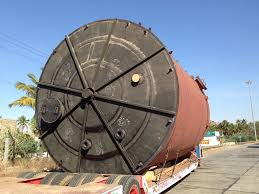
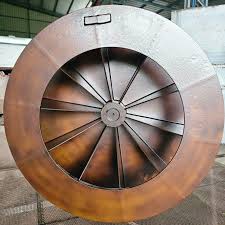
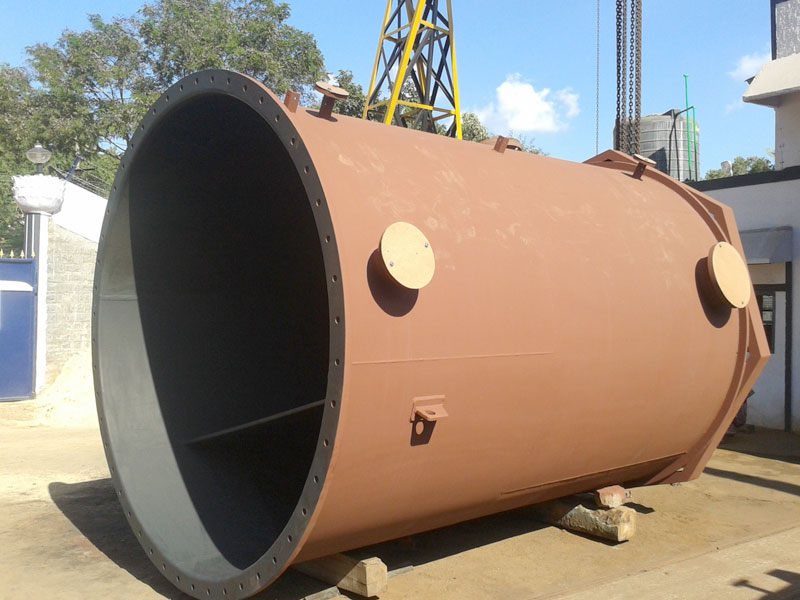
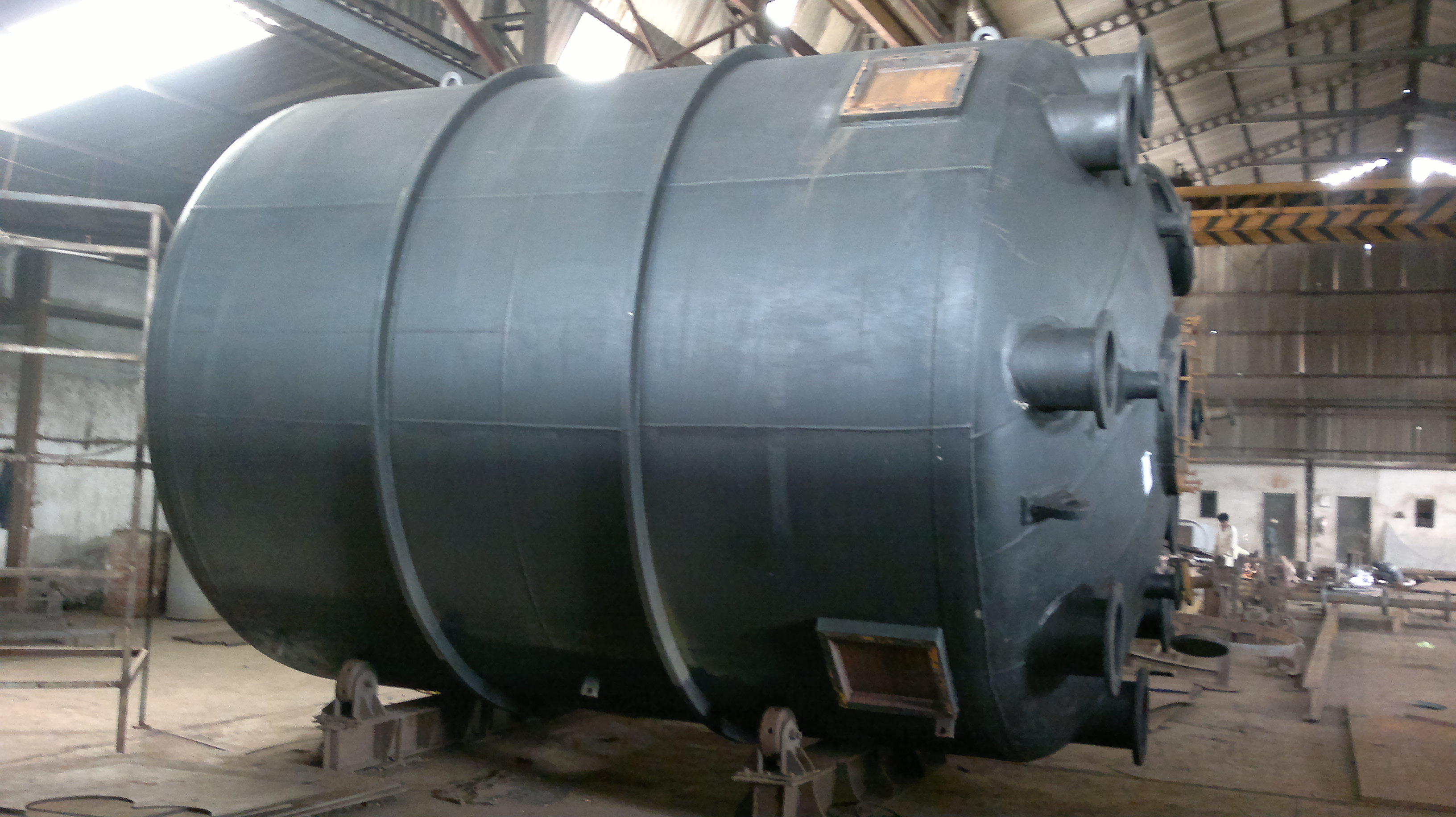
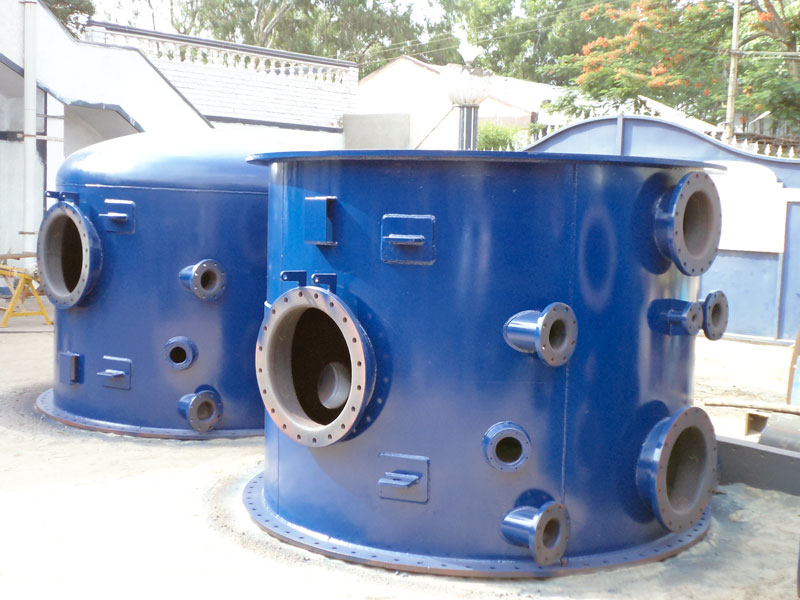
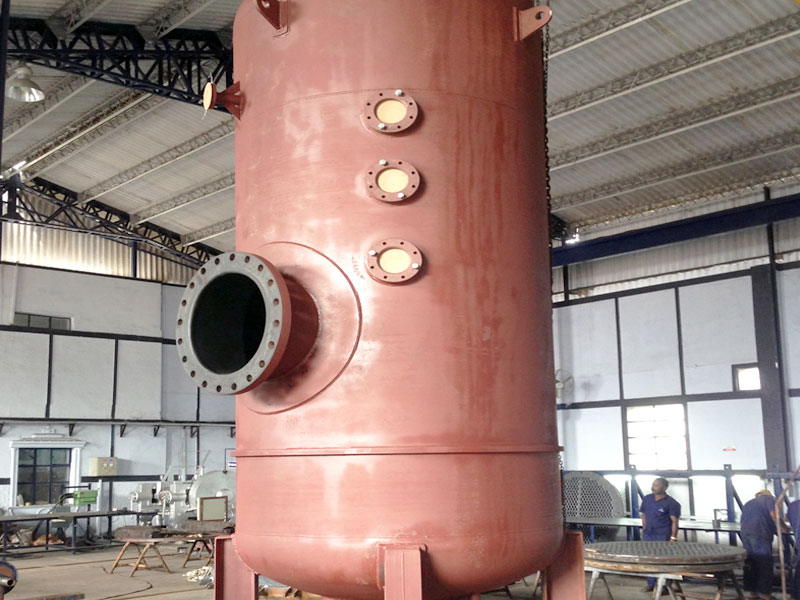


Fabrication quality of tube holder plates directly affects equipment performance. Plates are inspected for dimensional accuracy, flatness, and hole alignment. Surface finish is checked to ensure no sharp edges or burrs remain. These checks prevent damage during tube insertion. Welding or assembly features are verified as per design. Quality control ensures compliance with project specifications. Proper documentation is maintained. This builds confidence in product reliability. High-quality fabrication ensures consistent performance.
Tube holder plates can be customized to meet specific project requirements. Special coatings or surface treatments can be applied for enhanced corrosion resistance. Plates can be designed for easy removal during maintenance. Custom designs also allow integration with existing equipment. This flexibility makes tube holder plates suitable for retrofit applications. Tailored solutions improve operational efficiency. Customization ensures optimal performance. It also supports unique process conditions.
Specification of Tube Holder Plates
| Parameter | Specification |
|---|---|
| Product Name | Tube Holder Plates |
| Material | Mild Steel / Carbon Steel / Stainless Steel / Alloy Steel |
| Applicable Standards | IS / ASTM / ASME / DIN (as per project requirement) |
| Plate Thickness | 6 mm to 50 mm (Customizable) |
| Plate Shape | Circular, Rectangular, Square, Custom Profile |
| Tube Hole Diameter | As per tube OD and design clearance |
| Tube Hole Pitch | Triangular / Square / Rotated Square Layout |
| Hole Finish | Machined / Reamed / Deburred |
| Flatness Tolerance | As per ASME / Client Specification |
| Surface Finish | Shot Blasted / Pickled / Machined |
| Operating Temperature | Up to 450°C (material dependent) |
| Operating Pressure | As per equipment design |
| Corrosion Protection | Painting / Coating / Material Selection |
| Inspection & Testing | Dimensional Check, Visual Inspection |
| Applications | Heat Exchangers, Condensers, Boilers, Evaporators |
| Customization | Design, material, and dimensions as per drawing |
Chemical Composition of Tube Holder Plates
| Element | Composition (%) | Remarks |
|---|---|---|
| Carbon (C) | 0.15 – 0.25 | Provides strength and load-bearing capacity |
| Manganese (Mn) | 0.60 – 1.50 | Improves toughness and resistance to wear |
| Silicon (Si) | 0.10 – 0.40 | Acts as deoxidizer and enhances strength |
| Sulphur (S) | ≤ 0.05 | Controlled to maintain ductility and machinability |
| Phosphorus (P) | ≤ 0.05 | Limited to avoid brittleness |
| Iron (Fe) | Balance | Main base metal of tube holder plate |
Mechanical Properties of Tube Holder Plates
| Property | Value | Remarks |
|---|---|---|
| Tensile Strength | 410 – 550 MPa | Ensures strength under mechanical and thermal loads |
| Yield Strength | ≥ 250 MPa | Prevents permanent deformation during operation |
| Elongation | ≥ 20% | Provides ductility for fabrication and thermal expansion |
| Hardness | 120 – 180 HB | Balanced hardness for machining and durability |
| Impact Resistance | Good at ambient temperature | Resists vibration and shock loads |
| Modulus of Elasticity | 200 GPa | Ensures rigidity and dimensional stability |
| Fatigue Strength | Moderate to High | Suitable for cyclic thermal and pressure loading |
| Thermal Stability | Good up to design temperature | Maintains strength at elevated temperatures |
| Flatness Retention | Excellent | Maintains alignment of tubes during operation |
| Machinability | Good | Allows precise drilling and hole finishing |
From an economic standpoint, tube holder plates offer long-term cost benefits. Proper tube support reduces the frequency of tube replacement and repairs. This minimizes downtime and maintenance costs. Efficient heat transfer improves energy utilization. Tube holder plates help maintain consistent performance over time. Their durability ensures extended service life. Initial investment is offset by operational savings. This makes them a cost-effective solution. Industries benefit from improved reliability.
Pipe Testing Methods

Pipe Applications

We supply Pipes Worldwide.
Exporting Steel Pipes & Tubes to over 60 countries including Afghanistan, Albania, Andorra, Angloa, Austria, Australia, Bahrain, Bangladesh, Bhutan, Brazil, Brunei, Belarus, Belgium, Bulgaria, Cambodia, China, Cyprus, Croatia, Czech Republic, Canada, Denmark, Estonia, Egypt, Finland, France, Germany, Greece, Georgia, Hungary, Iceland, Ireland, Italy, Indonesia, Iran, Iraq, Israel, Japan, Jordan, Kazakhstan, Kuwait, Kyrgyzstan, Lebanon, Latvia, Latin America, Liechtenstein, Lithuania, Luxembourg, Malta, Madagascar, Mexico, Moldova, Monaco, Malaysia, Maldives, Mongolia, Myanmar (Burma), Nepal, New Zealand, North Korea, Netherlands, Norway, Nigeria, Oman, Poland, Portugal, Pakistan, Palestine, Philippines, Qatar, Russia, Romania, Russia, San Marino, Serbia and Montenegro, Slovakia, Slovenia, Spain, Sweden, Switzerland, Saudi Arabia, Singapore, South Korea, South Africa, Sri Lanka, Sudan, Syria, Taiwan, Tanzania, Tajikistan, Thailand, Turkey, Turkmenistan, Ukraine, United Kingdom, United Arab Emirates (UAE), Uzbekistan, Venezuela, Vietnam, Yemen, etc.