

VACUUM HOSE Manufacturer Stockist Exporter
VACUUM HOSE Manufacturer Stockist Exporter
Vacuum Hose is specially designed for efficient suction and vacuum transfer applications in demanding industrial environments. It is widely used for conveying air, dust, powders, slurry, liquids, and light chemicals under negative pressure. The hose is manufactured using high-quality rubber compounds that ensure excellent flexibility and durability. Its robust construction prevents collapse during high vacuum operations. The hose maintains consistent performance even under continuous duty cycles. Smooth inner surfaces help reduce friction losses. This results in improved flow efficiency and energy savings. Vacuum hoses are essential components in process industries. They are engineered for long service life and reliable operation.
The construction of a vacuum hose typically consists of a resilient rubber inner tube reinforced with textile plies and a steel wire helix. This reinforcement provides superior resistance against vacuum collapse. The wire helix also allows the hose to retain its circular shape during operation. High tensile strength fabric layers enhance pressure handling capability. The outer rubber cover protects against abrasion, weathering, and external damage. This multi-layer structure ensures safety and performance. The hose can withstand rough industrial handling. Its design supports both suction and light discharge applications. Overall construction meets recognized industrial standards.
Vacuum hoses are widely used in industries such as chemical processing, cement plants, power stations, fertilizer plants, and refineries. They are suitable for handling dust, fly ash, sludge, water, and chemical mixtures. In pharmaceutical and food industries, specially compounded vacuum hoses are also available. These hoses help maintain cleanliness and operational efficiency. They support material transfer without leakage. The flexibility of the hose allows easy installation in confined spaces. Its versatility makes it ideal for multiple applications. Industries prefer vacuum hoses for their reliability. They ensure uninterrupted production processes.
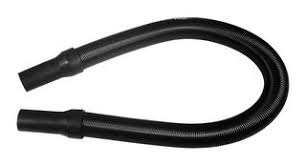
The inner tube of the vacuum hose is manufactured using NR, SBR, EPDM, or NBR rubber depending on application requirements. This allows compatibility with water, oil, mild chemicals, and abrasive media. The smooth bore design minimizes material build-up. It also simplifies cleaning and maintenance. Rubber compounds are selected to resist aging and cracking. This improves long-term performance. Chemical resistance ensures safe material handling. The inner lining remains stable under vacuum conditions. This helps maintain consistent suction efficiency.
Reinforcement plays a critical role in vacuum hose performance. High-strength synthetic textile plies provide mechanical stability. The embedded steel wire helix offers excellent vacuum resistance up to full vacuum conditions. This combination prevents hose collapse and deformation. Reinforcement also improves pressure endurance. The hose maintains flexibility despite strong reinforcement. This balance ensures ease of handling and installation. Reinforced construction supports continuous operation. It also reduces downtime due to hose failure. Proper reinforcement extends service life significantly.
The outer cover of the vacuum hose is designed to withstand harsh environmental conditions. It resists abrasion, ozone, sunlight, and weather exposure. The cover also provides resistance to oil splashes and chemicals. This protects the reinforcement layers inside. The tough outer surface minimizes damage during dragging or bending. It ensures safe usage in industrial sites. Color and finish can be customized as required. The outer cover enhances overall durability. It contributes to the hose’s rugged appearance. Long-term outdoor use is possible with minimal degradation.
Our Other Valuable Products


Vacuum hoses are engineered to operate efficiently across a wide temperature range. Standard hoses perform reliably from –20°C to +80°C. Special compounds can handle higher temperatures if required. This makes them suitable for varied industrial climates. Temperature resistance ensures material stability. Mechanical properties remain consistent during operation. The hose does not harden or crack easily. This improves safety and performance. Temperature tolerance adds to application flexibility. It allows use in both indoor and outdoor systems.
Flexibility is a key advantage of vacuum hoses. They can bend easily without kinking or collapsing. This helps in complex piping layouts and mobile equipment. Minimum bend radius is optimized for safe operation. The hose adapts well to vibration and movement. This reduces stress on connections and fittings. Flexible construction simplifies installation and maintenance. It also improves operator convenience. Despite flexibility, structural strength is maintained. This combination ensures reliable vacuum transfer.
Specification of VACUUM HOSE
| Specification of Vacuum Hose | |
|---|---|
| Product Name | Vacuum Hose |
| Application | Air, dust, powder, slurry, liquids, chemicals and industrial vacuum systems |
| Construction | Rubber hose with steel wire helix reinforcement |
| Inner Tube | NR / SBR / EPDM / NBR (application specific) |
| Reinforcement | High tensile synthetic textile plies with steel wire helix |
| Outer Cover | Abrasion, weather, ozone and oil resistant rubber |
| Nominal Bore Size | 25 mm to 300 mm (1" to 12") |
| Vacuum Rating | Up to 760 mm Hg (Full Vacuum) |
| Working Pressure | Up to 10 Bar (depending on size and construction) |
| Burst Pressure | Minimum 3 × Working Pressure |
| Temperature Range | -20°C to +80°C (higher on request) |
| Standard Length | 6 m, 10 m, or as per customer requirement |
| Color | Black (custom colors available) |
| End Connections | Plain ends / flanged ends / customized fittings |
| Standards | IS, ASTM, BS, DIN or equivalent |
| Testing | Vacuum test, hydrostatic pressure test |
Chemical Composition of VACUUM HOSE
| Chemical Composition of Vacuum Hose | ||
|---|---|---|
| Component | Material / Description | Typical Percentage (%) |
| Inner Tube Polymer | NR / SBR / EPDM / NBR Rubber Compound | 45 – 60 |
| Carbon Black | Reinforcing Filler for Strength & Abrasion Resistance | 20 – 30 |
| Plasticizers | Flexibility & Processing Oils | 5 – 10 |
| Antioxidants & Antiozonants | Protection Against Aging, Heat & Ozone | 1 – 3 |
| Vulcanizing Agents | Sulfur / Peroxide Curing System | 1 – 2 |
| Accelerators & Activators | Chemical Cure Enhancers | 0.5 – 1.5 |
| Textile Reinforcement | High Tensile Polyester / Nylon Fabric | 5 – 10 |
| Wire Helix | High Carbon Spring Steel Wire | 3 – 8 |
| Outer Cover Polymer | NR / SBR / EPDM (Abrasion & Weather Resistant) | 40 – 55 |
| Processing Aids | Zinc Oxide, Stearic Acid & Additives | 1 – 2 |
Mechanical Properties of VACUUM HOSE
| Mechanical Properties of Vacuum Hose | ||
|---|---|---|
| Property | Test Method | Typical Value |
| Tensile Strength | ASTM D412 | ≥ 10 MPa |
| Elongation at Break | ASTM D412 | ≥ 300 % |
| Hardness | ASTM D2240 (Shore A) | 60 ± 5 |
| Abrasion Resistance | DIN 53516 | ≤ 150 mm³ |
| Vacuum Resistance | IS / ASTM | Up to 760 mm Hg (Full Vacuum) |
| Working Pressure | IS / BS / DIN | Up to 10 Bar |
| Burst Pressure | IS / BS / DIN | Minimum 3 × Working Pressure |
| Minimum Bend Radius | IS Standard | 4 – 6 × Hose ID |
| Adhesion (Tube to Reinforcement) | ASTM D413 | ≥ 5 kN/m |
| Aging Resistance (70°C × 72 hrs) | ASTM D573 | Change in Tensile ≤ ±20 % |
| Ozone Resistance | ASTM D1149 | No Cracks |
| Temperature Range | IS / ASTM | -20°C to +80°C |
Quality testing is an essential part of vacuum hose manufacturing. Each hose undergoes vacuum testing to ensure collapse resistance. Pressure testing verifies structural integrity. Physical tests confirm tensile strength and elongation properties. Aging and ozone resistance tests ensure durability. These tests guarantee consistent product quality. Compliance with IS, ASTM, BS, or DIN standards is ensured. Quality assurance improves customer confidence. Tested hoses perform reliably in service. This reduces operational risk.
Pipe Testing Methods

Pipe Applications

We supply Pipes Worldwide.
Exporting Steel Pipes & Tubes to over 60 countries including Afghanistan, Albania, Andorra, Angloa, Austria, Australia, Bahrain, Bangladesh, Bhutan, Brazil, Brunei, Belarus, Belgium, Bulgaria, Cambodia, China, Cyprus, Croatia, Czech Republic, Canada, Denmark, Estonia, Egypt, Finland, France, Germany, Greece, Georgia, Hungary, Iceland, Ireland, Italy, Indonesia, Iran, Iraq, Israel, Japan, Jordan, Kazakhstan, Kuwait, Kyrgyzstan, Lebanon, Latvia, Latin America, Liechtenstein, Lithuania, Luxembourg, Malta, Madagascar, Mexico, Moldova, Monaco, Malaysia, Maldives, Mongolia, Myanmar (Burma), Nepal, New Zealand, North Korea, Netherlands, Norway, Nigeria, Oman, Poland, Portugal, Pakistan, Palestine, Philippines, Qatar, Russia, Romania, Russia, San Marino, Serbia and Montenegro, Slovakia, Slovenia, Spain, Sweden, Switzerland, Saudi Arabia, Singapore, South Korea, South Africa, Sri Lanka, Sudan, Syria, Taiwan, Tanzania, Tajikistan, Thailand, Turkey, Turkmenistan, Ukraine, United Kingdom, United Arab Emirates (UAE), Uzbekistan, Venezuela, Vietnam, Yemen, etc.